
Get cabinet pulls right
Before you start drilling holes or ordering hardware, you need to establish a few hard constraints. Cabinet pulls are not just decorative accents; they are functional tools that must align with your cabinet dimensions, mounting infrastructure, and aesthetic theme. Skipping these prerequisites leads to mismatched hardware, uneven installations, and costly returns.
Measure your cabinet dimensions
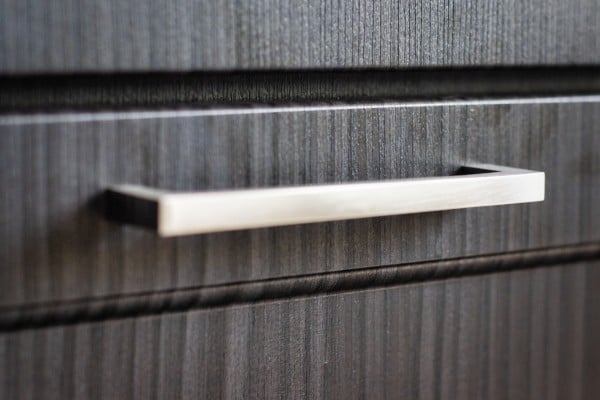
The most common mistake is ignoring the backset—the distance from the screw hole to the end of the pull. For standard 3-inch (76mm) pulls, the backset is usually 96mm (3-3/4 inches). If you install a pull with a different backset on a cabinet door, the screws won’t reach the pre-drilled holes, or worse, they won’t align at all. Measure your existing holes precisely. If you are drilling new holes, ensure the pull length doesn’t exceed the door or drawer width by more than one-third.
Check your mounting hardware
Not all pulls come with screws, and not all screws fit all pulls. Some pulls require set screws that tighten against the cabinet face, while others use through-bolts that pass through the cabinet and tighten from the inside. Check the product specifications for screw length and type. If your cabinet doors are made of thin material or particle board, you may need longer screws or reinforcement inserts to ensure a secure hold.
Match the finish and style
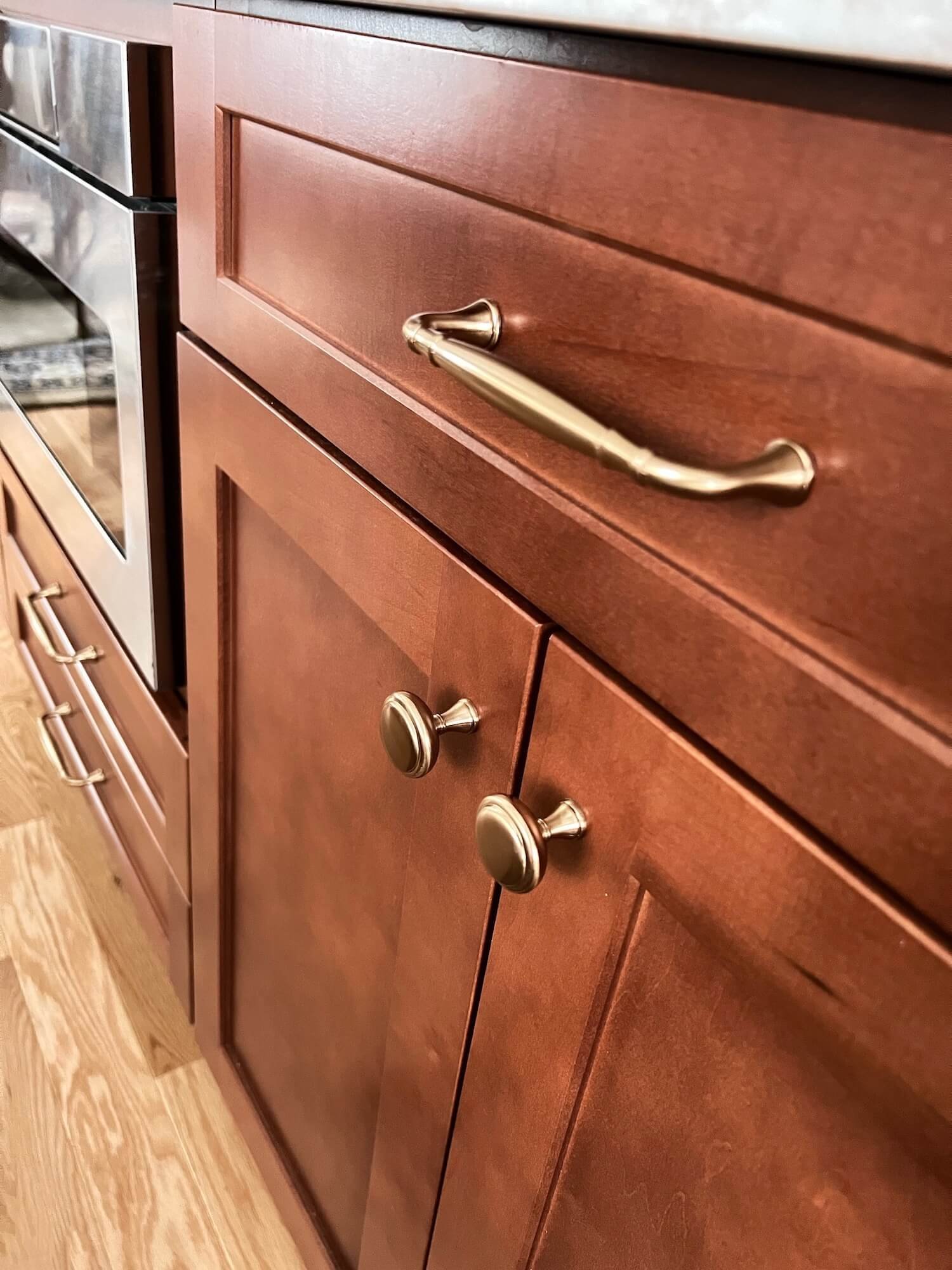
Modern brass and matte black are the dominant trends for 2026, but they don’t mix well with every kitchen style. Matte black pulls work best in minimalist, industrial, or Scandinavian-inspired kitchens. Modern brass pulls complement warm wood tones, mid-century modern, or transitional spaces. Ensure the finish matches your existing faucets and light fixtures to create a cohesive look. Don’t mix finishes unless you are intentionally creating an eclectic, curated look.
Decide on the pull orientation
Pulls can be mounted horizontally or vertically. Horizontal pulls are traditional and work well on wide drawers. Vertical pulls are often used on tall, narrow drawers or cabinet doors. The orientation affects how the pull looks and feels. Consider the ergonomics: a horizontal pull is easier to grip for wide drawers, while a vertical pull is better for tall, narrow spaces. Ensure all pulls in a kitchen face the same direction for a uniform appearance.
Work through the steps
Cabinet hardware selection works best as a clear sequence: define the constraint, compare the realistic options, test the tradeoff, and choose the path with the fewest hidden costs. That order keeps the advice usable instead of decorative.
Common Mistakes to Avoid When Installing Cabinet Hardware
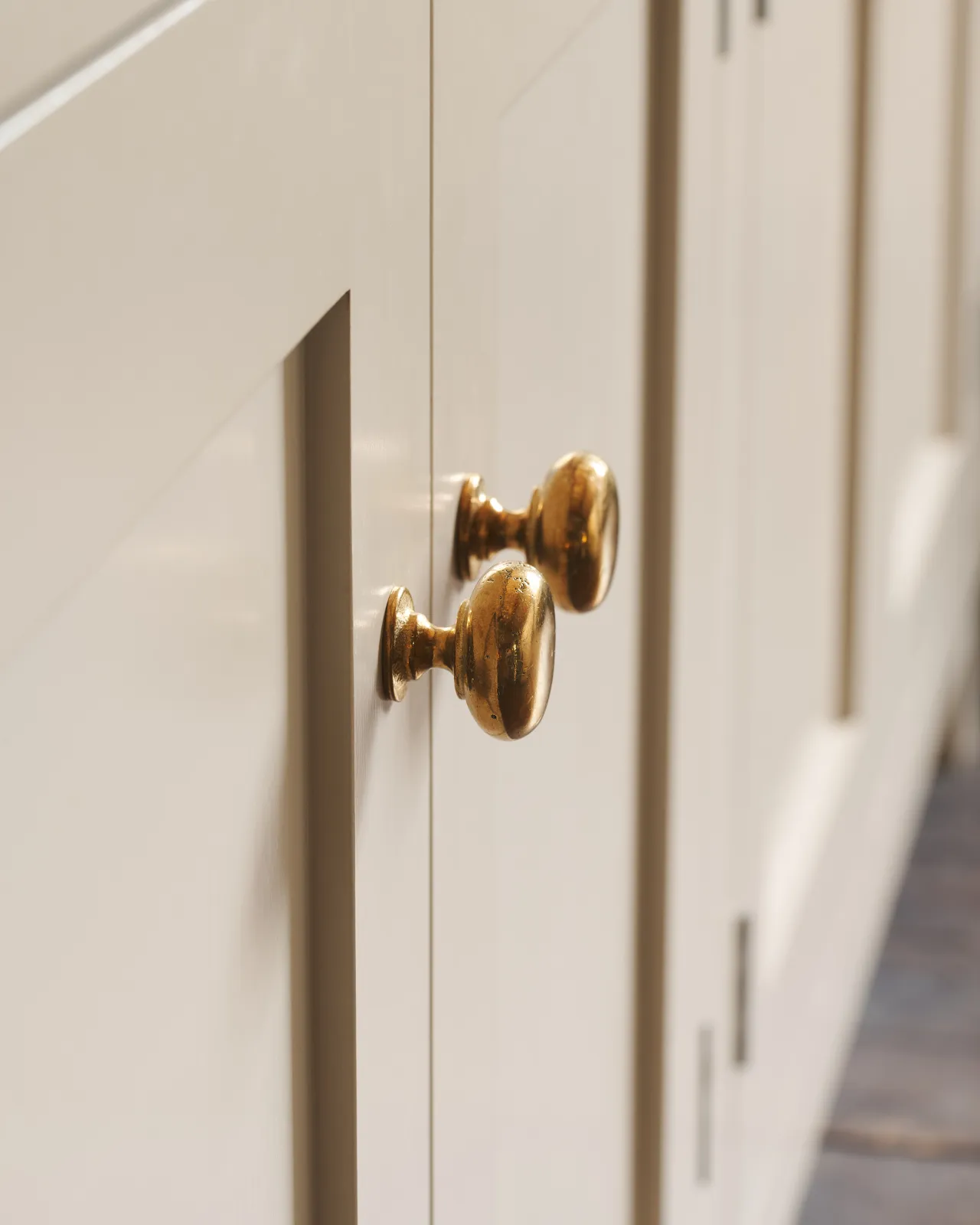
Choosing modern brass or matte black pulls is only half the battle. The difference between a polished look and a DIY eyesore often comes down to installation precision. Many homeowners skip the planning phase, leading to misaligned pulls, visible screw holes, or hardware that feels flimsy. Fixing these errors later usually means patching paint and starting over.
Ignoring the 1/3 Rule
The most frequent sizing error is placing pulls too close to the edge of a door or drawer. A common guideline is the "one-third rule": for doors or drawers wider than 12 inches, place pulls in the outer third of the vertical space. For example, on a 30-inch tall cabinet door, position the pulls roughly 3 to 4 inches from the top and bottom edges. This creates visual balance. Placing them too high makes the cabinet look top-heavy; too low, and it feels unstable.
Misaligning Hole Spacing
Cabinet pulls are defined by their "center-to-center" measurement, not their total length. If you buy a 5-inch pull but drill holes for a 96mm (3.78-inch) spacing, the hardware will not fit. Always measure the distance between the two screw holes on the new pull, not the ends. Use a template or a piece of tape to mark these points before drilling. A mismatch here is costly because cabinet wood is expensive and difficult to repair.
Skipping a Dry Fit
Never drill into your final cabinet without a dry fit. Place the pulls on the doors or drawers and secure them loosely with the screws. Step back and check the alignment across the entire kitchen or bathroom. Are they level? Do they sit at the same height on every unit? Even a 1/8-inch difference is noticeable when viewed as a group. Adjusting now takes minutes; re-drilling later takes hours.
Forgetting to Account for Knob vs. Pull
Some cabinets require knobs, others need pulls. Mixing them inconsistently without a deliberate design pattern creates visual clutter. If you are upgrading from knobs to pulls, ensure the new hardware clears any existing screw holes. Matte black and brass finishes show every fingerprint and screw head, so ensure your screws are tight and the finish is clean before finishing the installation.
Cabinet pulls: what to check next
We’ve gathered the most common questions from homeowners and designers to help you choose cabinet hardware with confidence. These answers address sizing, style, and brand selection for modern kitchens and bathrooms.
Helpful gear
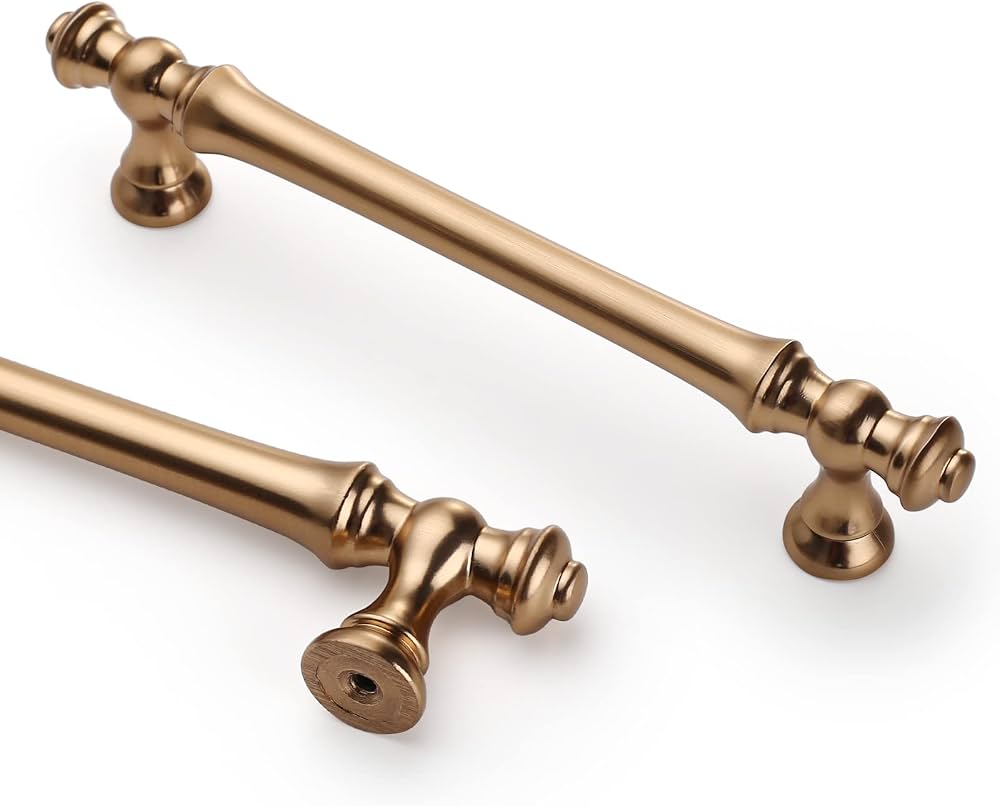
Use these product recommendations as a starting point, then choose the size, material, and price point that fit how you actually use the gear.

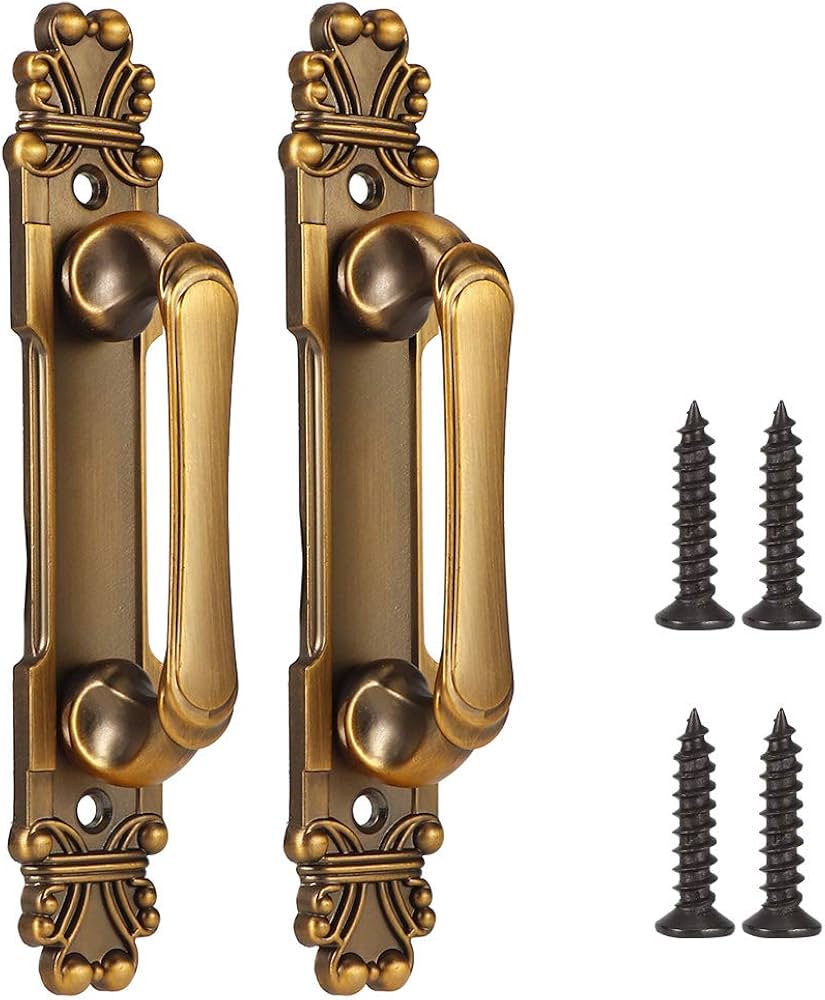
As an Amazon Associate, we may earn from qualifying purchases.
No comments yet. Be the first to share your thoughts!