
Cabinet handles black budget
Black cabinet pulls span a wide price range, but the finish quality is what separates a $5 update from a $50 disappointment. At the lower end, you will find zinc alloy handles with thin electroplated black coatings. These are budget-friendly but prone to chipping if you install them on frequently used drawers. The coating wears down at the screw holes first, revealing dull silver metal underneath within a year or two.
Mid-range options, typically priced between $15 and $30 per handle, often use solid brass or higher-grade zinc with powder-coated finishes. Powder coating is thicker and more durable than standard plating. It resists fingerprints and scratches better, making it a smarter choice for high-traffic kitchens. The weight also feels more substantial, signaling better build quality.
For the best value, look for handles labeled as "solid brass" with a black PVD (Physical Vapor Deposition) finish. This method bonds the color to the metal at a molecular level, making it nearly impossible to peel or chip. While these cost more upfront, they last decades without looking worn. Avoid any black handles that feel light or hollow; they are likely cheap alloys that will tarnish or break under normal use.
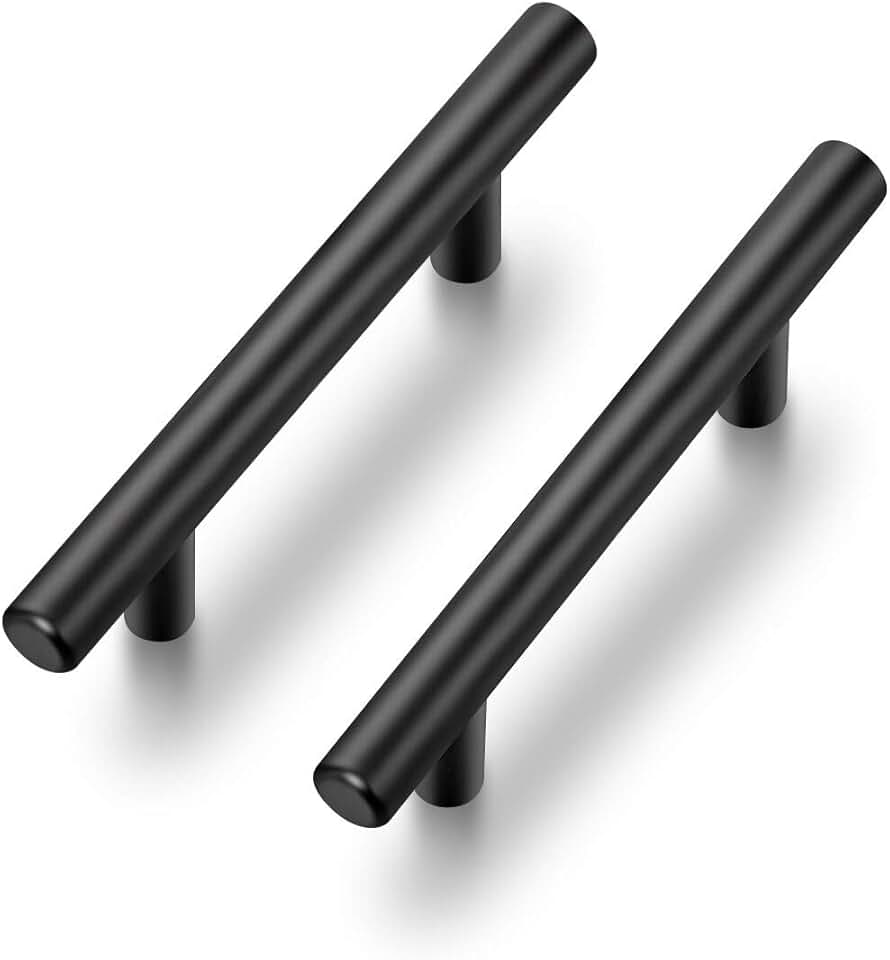

As an Amazon Associate, we may earn from qualifying purchases.
Shortlist real options
Choosing the right matte black cabinet pulls requires looking beyond the finish to the underlying metal and construction. A thin, stamped piece will feel hollow and look cheap, while a solid cast or machined handle offers the weight and durability needed for daily use. Brushed brass adds warmth, but the quality of the plating determines whether it lasts or flakes.
The following comparison table breaks down four distinct approaches to modern hardware. We are comparing finish durability, mounting style, and the specific aesthetic each option brings to a kitchen or bathroom. Use this to match the hardware to your cabinetry’s material and your desired level of visual contrast.
Matte Black: The Modern Standard
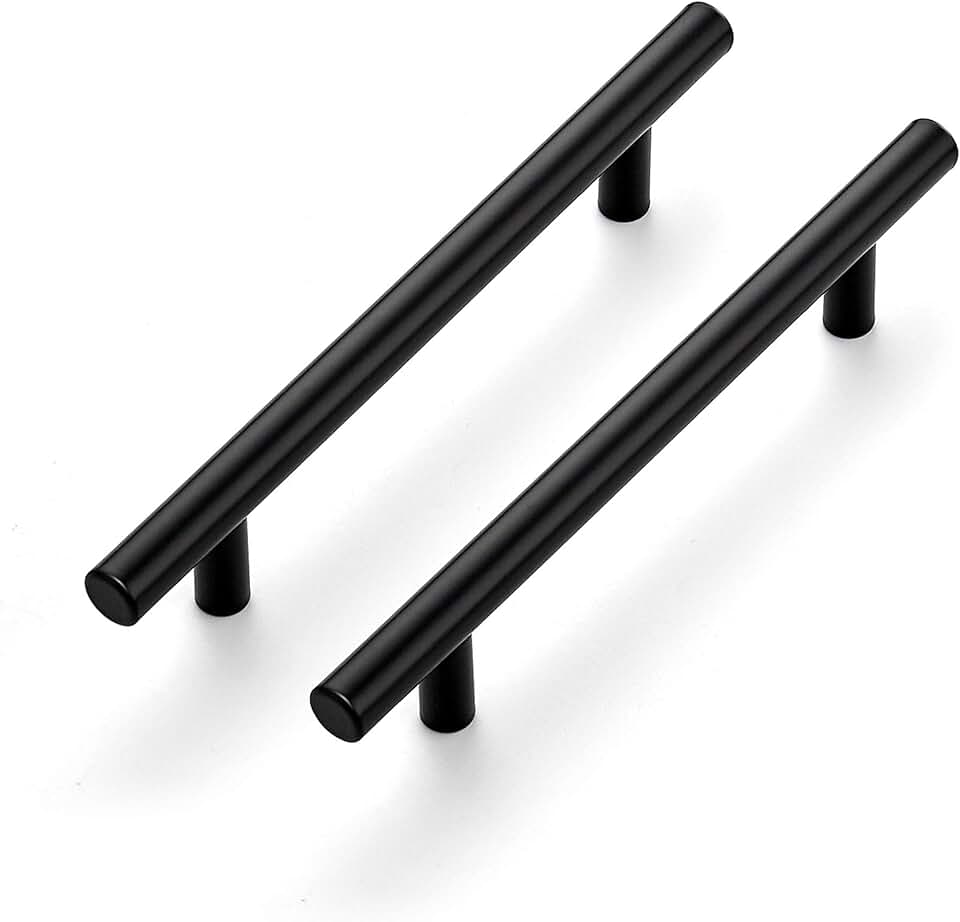
Matte black remains the dominant choice for contemporary kitchens because it creates a sharp, graphic line against light wood or white cabinetry. The key to a good matte black pull is the underlying metal. Zinc alloy is common and affordable, but ensure the coating is thick enough to resist chipping at the screw holes. Look for "knurled" textures if you want grip and visual interest, as smooth bars can sometimes feel too industrial.
Brushed Brass: Adding Warmth
Brushed brass introduces a golden tone that softens the sterility of all-white kitchens. Real solid brass develops a patina over time, which many homeowners appreciate. However, most affordable options are zinc alloy with a brass PVD (Physical Vapor Deposition) coating. PVD is far more durable than traditional electroplating and resists tarnishing better. Check the finish description; if it doesn't specify PVD or solid brass, it may wear through with heavy use.
Oil-Rubbed Bronze: The Traditional Choice
Oil-rubbed bronze offers a dark, almost black appearance with subtle brown undertones. It is a staple in traditional and farmhouse designs. Unlike matte black, which is uniform, bronze often has a slightly distressed look that hides fingerprints and water spots better. It pairs exceptionally well with natural wood tones like oak or walnut, bridging the gap between rustic and refined.
Satin Nickel: The Subtle Update
Satin nickel provides a softer, more reflective finish than matte black. It is ideal for kitchens with light wood cabinets where a stark black pull might look too heavy. This finish is generally more forgiving of fingerprints than polished chrome or brass. It works well in transitional spaces that blend traditional and modern elements, offering a neutral backdrop that doesn't compete with other hardware in the room.
Inspect the expensive parts
Cabinet pulls are small, but the hardware that holds them in place carries the weight of daily use. A failed screw or a loose mounting plate can ruin the look of a matte black or brushed brass finish long before the metal itself wears out. Spend a few minutes checking these specific failure points before you commit to a purchase.
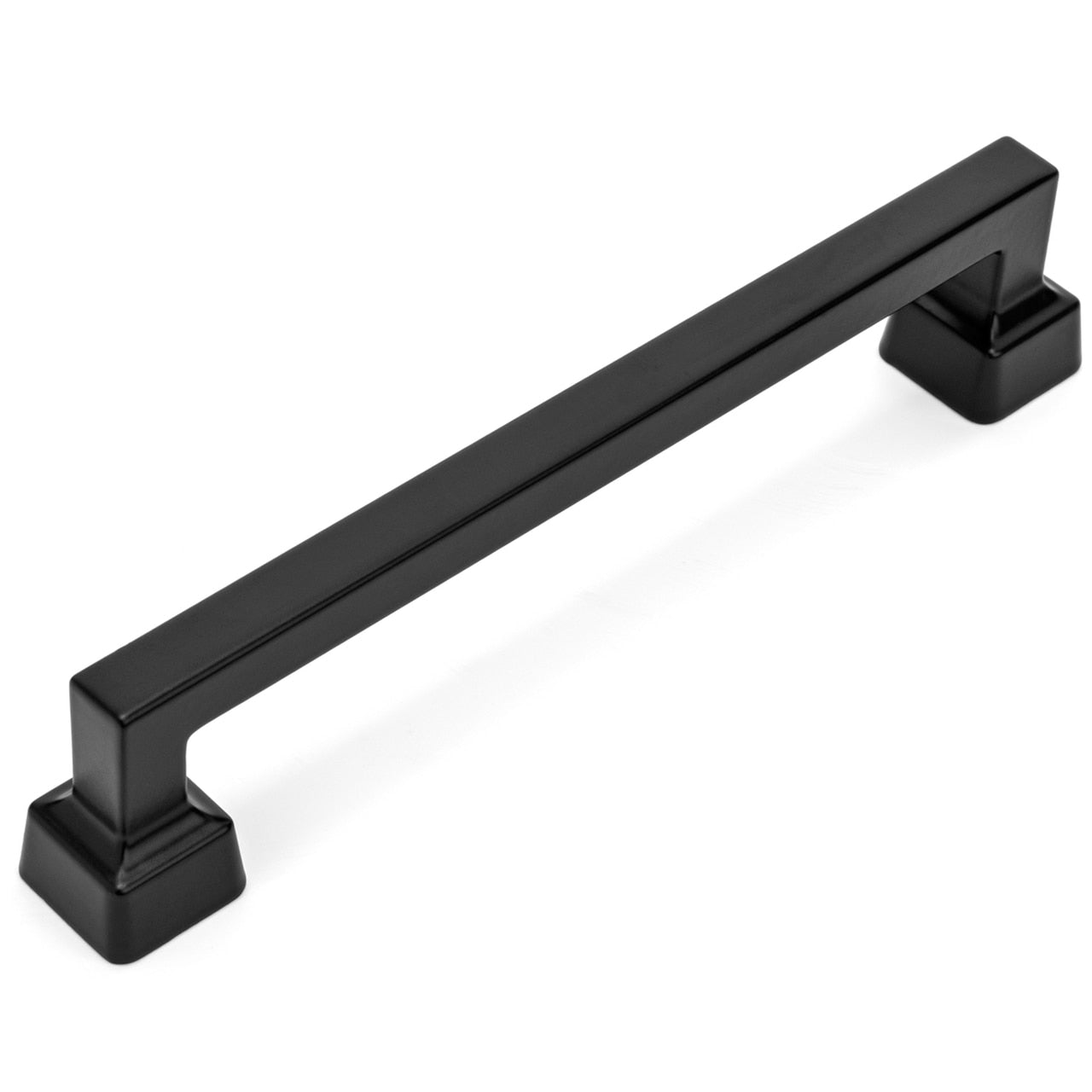
Most modern pulls use a standard 3-inch or 96mm center-to-center distance, but not all. Measure the exact distance between the two screw holes on the back of the pull. If your existing holes don’t match, you’ll need to drill new ones, which risks damaging the cabinet face. Always verify this measurement against your cabinet’s edge distance to ensure the screws won’t punch through the other side.
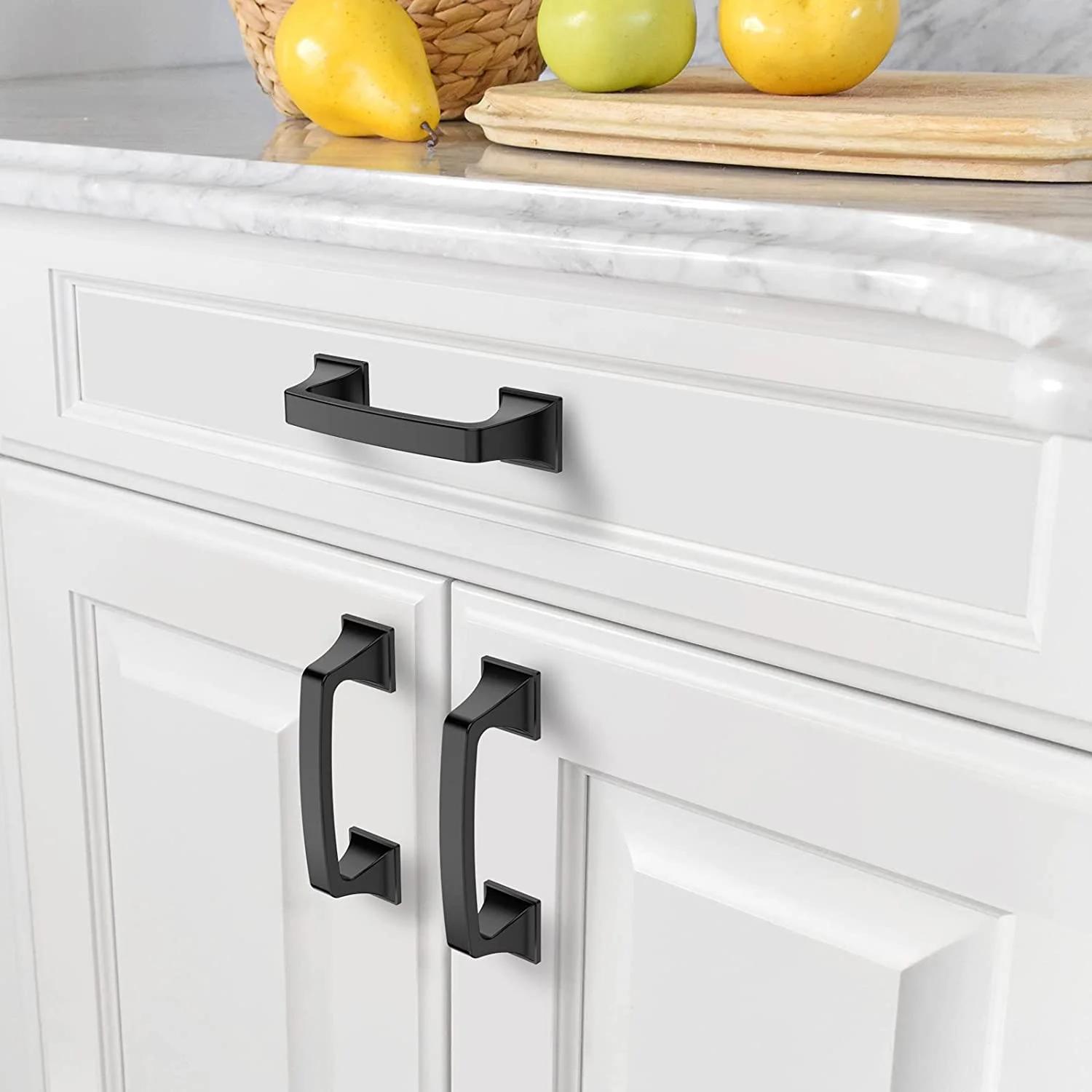
Look at how the pull attaches to the mounting plate. Cheap hardware often uses thin, flimsy plates that can bend or wobble when tightened. A sturdy pull should sit flush against the cabinet with no gaps. If the mounting plate feels like it might twist under tension, the pull will eventually loosen, causing the finish to chip around the screw heads.
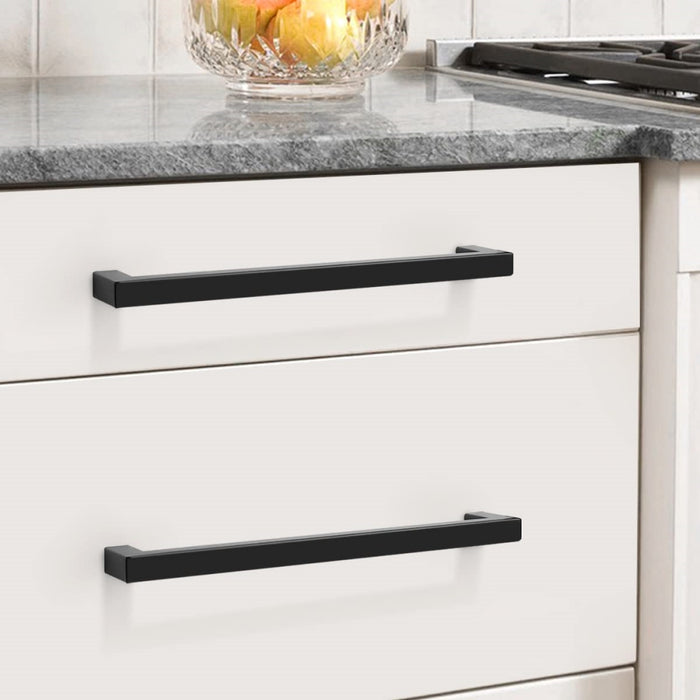
Matte black finishes are notorious for showing fingerprints and scratches. Run your finger along the edges and corners. If the finish feels rough or uneven, it may chip easily during installation or use. Brushed brass should have a consistent grain. Avoid finishes that feel overly glossy or plastic-like, as these are often thin coatings that will wear off quickly with daily contact.
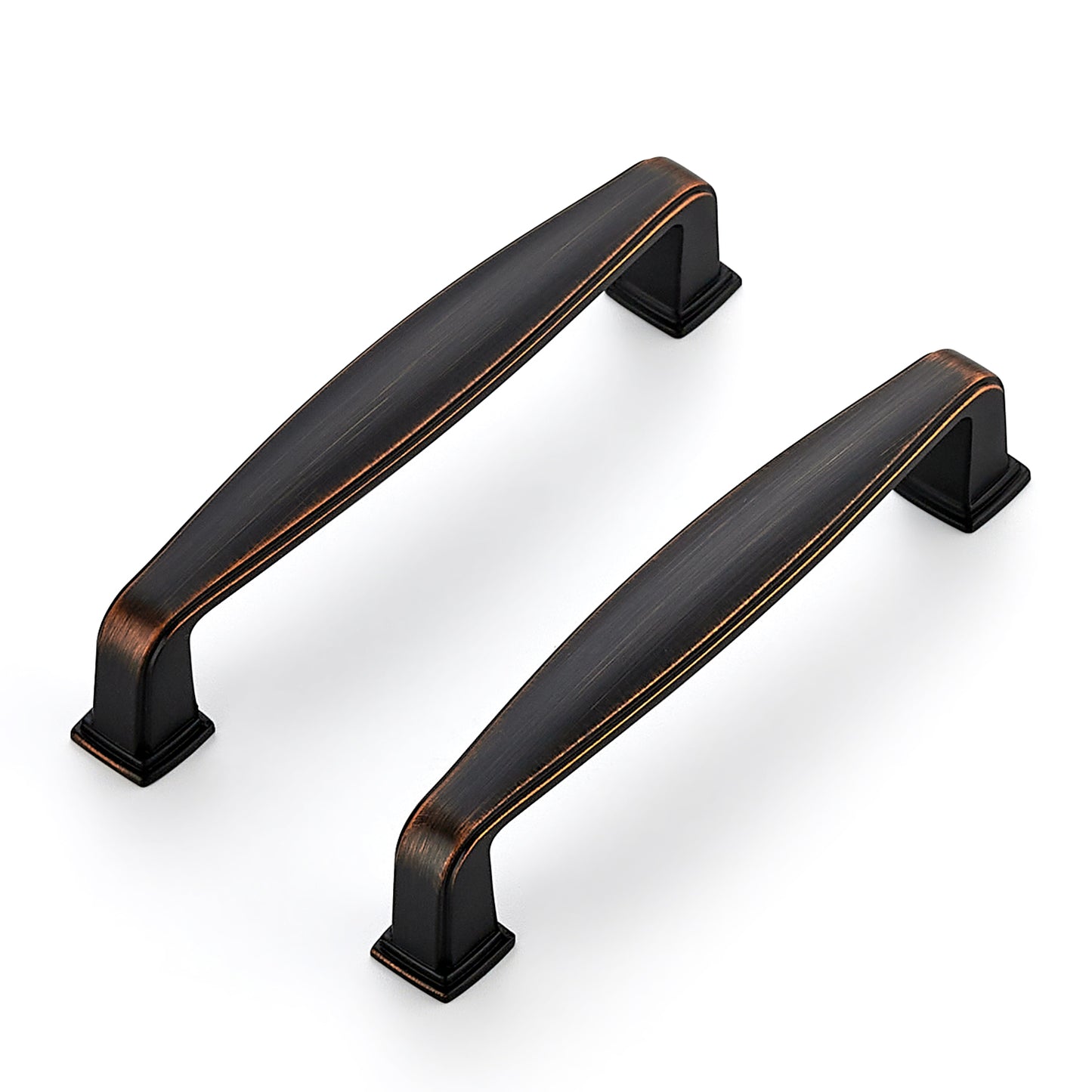
Heavier pulls require more robust mounting. Check the product specifications for the recommended drawer or door weight. If you’re installing pulls on large, heavy drawers, ensure the hardware is made from solid metal rather than hollow castings. Hollow hardware can bend or break under the strain of frequent opening and closing, especially if the screws are not anchored into solid wood.
Taking these steps now saves you from the hassle of replacing hardware after it’s already installed. A little inspection goes a long way in ensuring your matte black and brushed brass pulls last for years.
Ownership Costs: Maintenance Surprises and Long-Term Value
Buying matte black and brushed brass pulls often feels like a simple transaction, but the real cost lies in how they age and what it takes to keep them looking sharp. Matte black finishes, particularly powder-coated or PVD (Physical Vapor Deposition) varieties, are prone to showing fingerprints and water spots more aggressively than brushed nickel or stainless steel. This isn't just an aesthetic nuisance; it requires a consistent cleaning routine to maintain that flat, modern look. Using harsh abrasives or acidic cleaners can strip the coating, leading to premature peeling or discoloration that is impossible to fix.
Brushed brass offers a different set of challenges. While it hides fingerprints well initially, it is a living metal that reacts to air and skin oils. Without a protective lacquer, it will develop a patina—a natural darkening and mottling that many homeowners find charming but others view as tarnish. If you prefer the bright, golden shine, you must apply and reapply wax or polish regularly. Lacquered brass resists this change but can still chip at high-contact points like screw holes, exposing the base metal underneath.
When a cheap buy stops being cheap is usually when the hardware fails structurally or cosmetically within two years. Low-cost pulls often use thin zinc alloy bodies with a thin plating or paint layer that chips during installation. Once the base metal is exposed to humidity in a kitchen environment, it can rust or corrode, ruining the cabinet face it was meant to enhance. Investing in solid brass or stainless steel cores with high-quality finishes means fewer replacements and less frustration over time.


As an Amazon Associate, we may earn from qualifying purchases.
Cabinet handles black: practical: what to check next
Black hardware is a staple in modern kitchens, but the finish requires a bit of maintenance to keep looking sharp. Here are the most common questions about choosing matte black and brushed brass pulls for your cabinetry.
No comments yet. Be the first to share your thoughts!