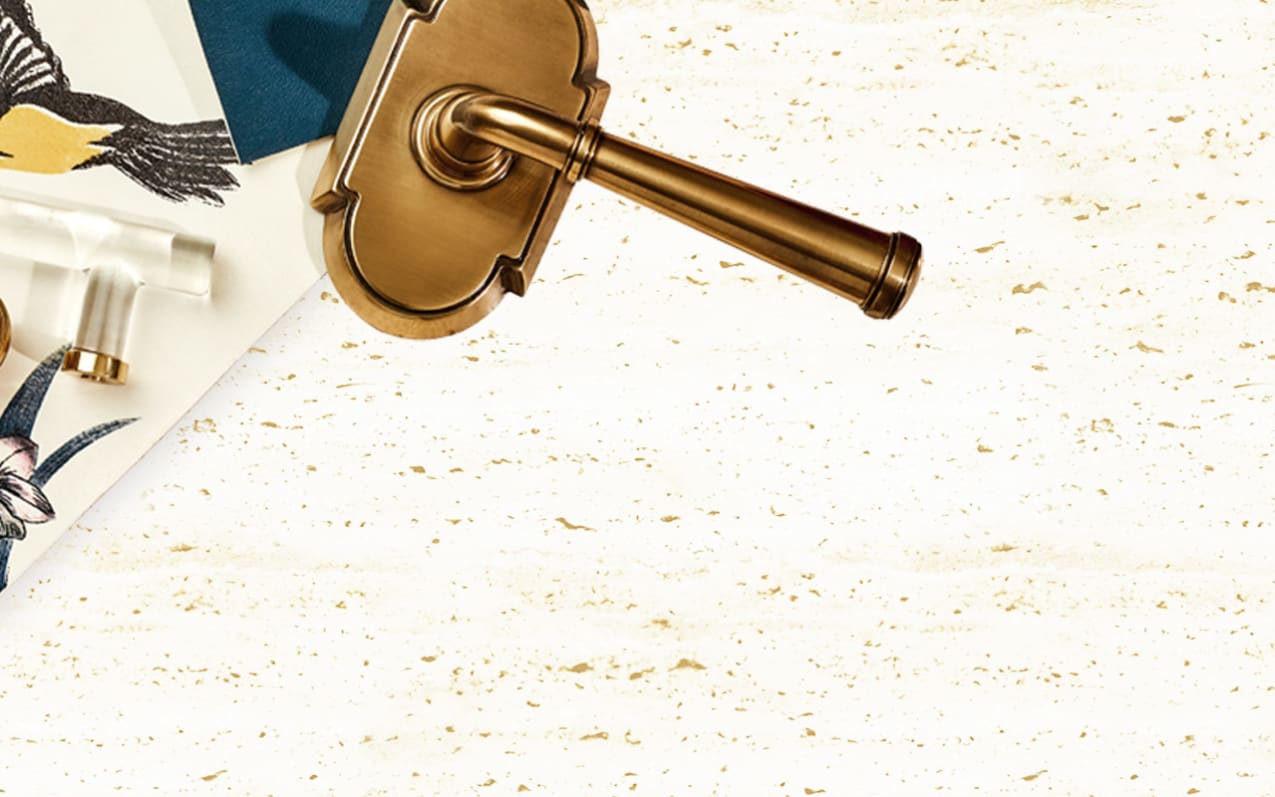

Cabinet pulls budget
Hardware costs are deceptively simple. A matte black pull might start at $2, while a brushed brass version from a heritage brand can run $15 or more per piece. The gap isn't just about the finish; it is about the core material and the weight you feel in your hand. Cheap pulls are often hollow zinc or thin steel, which can feel light and flimsy over time. Premium options use solid brass, heavy zinc alloys, or solid wood, providing a satisfying, substantial grip that signals quality.
When budgeting, think of hardware as the jewelry of your kitchen. You do not need to spend a fortune to get a good look, but you should avoid the cheapest tier entirely. Pulls under $1.50 often suffer from poor threading, loose screws, or finishes that chip within a year. Aim for the mid-range tier—typically $3 to $8 per pull—where you get durable finishes like PVD (Physical Vapor Deposition) matte black or brushed brass that resist fingerprints and wear.
Consider the "1/3 rule" for sizing, which also impacts cost. A pull should be roughly one-third the length of a drawer or the height of a door. Longer pulls require more material and often cost slightly more, but they also provide better leverage for opening heavy drawers. If you are updating a whole kitchen, buy a few extras. Screws strip, handles get lost, and having spares on hand prevents future frustration.


As an Amazon Associate, we may earn from qualifying purchases.
The brands that consistently deliver value in this price range include Top Knobs, Amerock, and Atlas Homewares. These manufacturers offer the "Modern Heritage" aesthetic trending in 2026—classic shapes with updated finishes—without the luxury markup of designer boutiques. Stick to these established names, and you will likely get hardware that lasts decades, not just a few renovation cycles.
Shortlist real options
Finding cabinet pulls that balance style with durability is less about chasing the latest fad and more about matching the hardware to your daily workflow. The 2026 "Modern Heritage" trend favors classic shapes paired with updated finishes like brushed brass and matte black, but the best picks are those that feel solid in the hand and survive the kitchen's humidity.
We compared the strongest options available now, focusing on brands with proven track records like Top Knobs, Amerock, and Atlas Homewares. These manufacturers offer distinct finishes and profiles that define the current look. Below is a comparison of the standout pulls that are actually in stock and worth considering for your renovation.
Why these picks stand out
The Top Knobs Kinney pull is a staple in modern kitchens because its slim profile doesn't overwhelm sleek cabinet doors. It comes in both matte black and brushed brass, allowing you to stick to the primary trend or mix metals intentionally. Amerock’s Versa pull offers a slight curve that makes it easier to grip, which is a practical detail for heavy drawers.
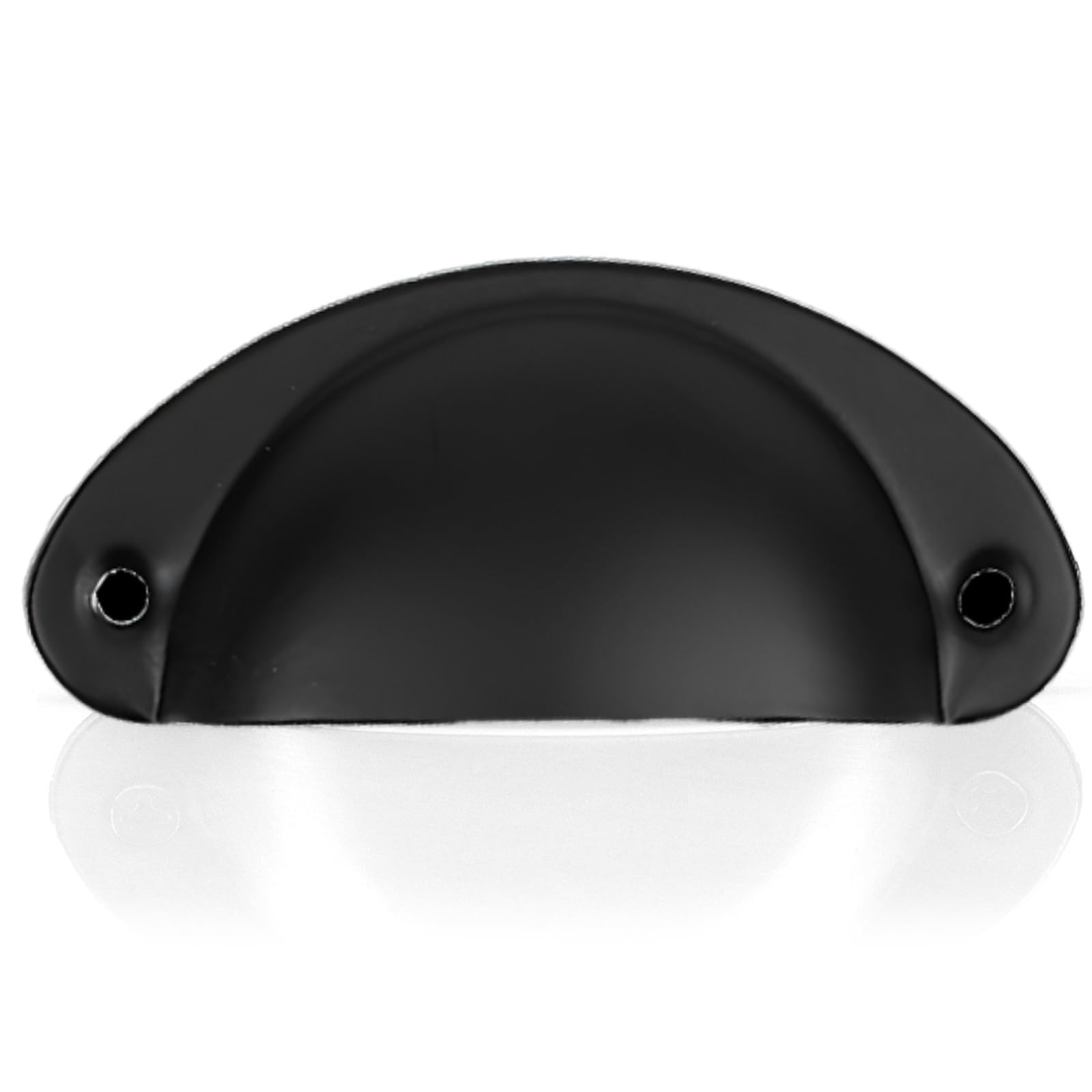
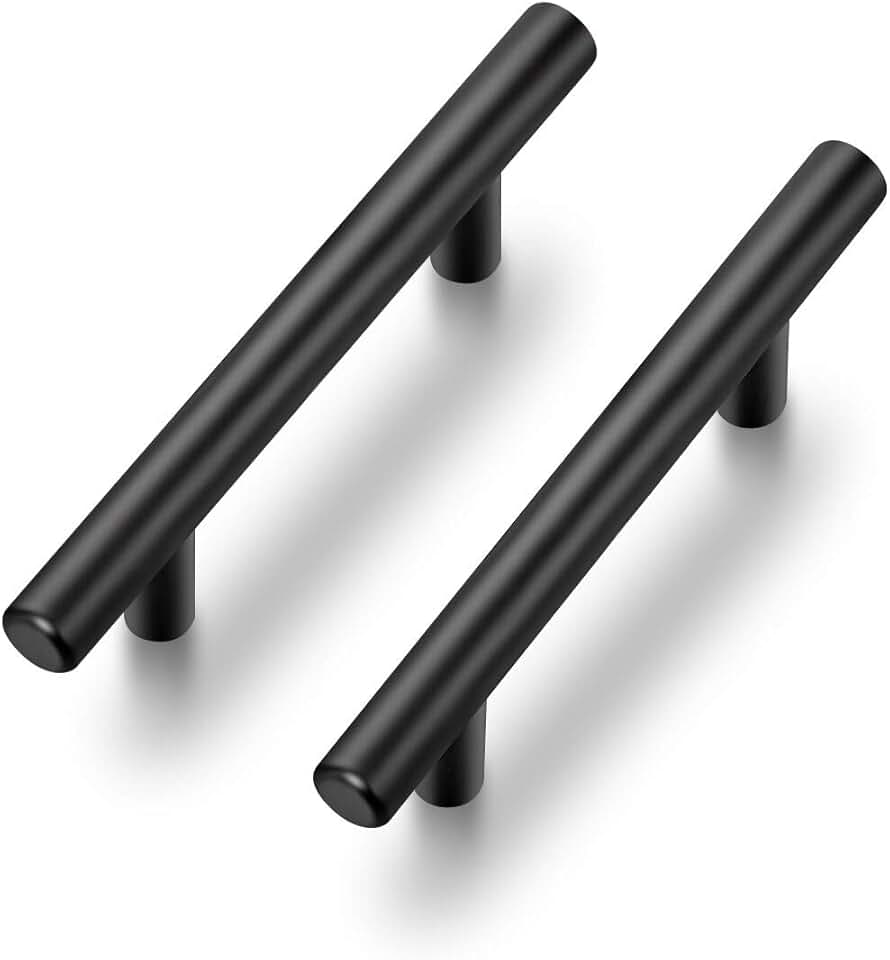
For those leaning into the "Modern Heritage" aesthetic, the Atlas Homewares 2405 cup pull brings a traditional feel that contrasts nicely with modern cabinetry. It is particularly effective on lower cabinets where a downward pull is more natural. If you prefer a straight, no-nonsense look, the Top Knobs M1953 provides a sturdy, straight bar that works well across various drawer sizes.


As an Amazon Associate, we may earn from qualifying purchases.
When selecting your final hardware, remember the 1/3 rule: the pull length should be about one-third the width of a drawer or one-third the height of a cabinet door. This proportion ensures the hardware looks balanced and feels comfortable to use. Stick to reputable brands like those listed above to ensure the finishes don't peel or tarnish quickly.
Inspect the expensive parts
Matte black and brushed brass pulls look stunning on the shelf, but their finishes are the first to show wear if the underlying metal is thin. Before you commit to a full kitchen order, check the physical weight and construction of your top candidates. A heavy pull signals solid brass or thick zinc alloy, which resists bending and lasts longer than hollow stamped steel.
Check the mounting hardware
The most common failure point isn’t the handle itself, but how it attaches to the cabinet. Open the packaging and inspect the screws and washers. High-quality pulls come with long, sturdy screws that grip deep into the cabinet frame. If the screws feel flimsy or the mounting plate is thin plastic, the pull may wobble or detach over time. Look for pulls with reinforced backplates that distribute stress evenly.
Test the finish durability
Matte black finishes can chip if the coating is applied poorly, revealing dull gray metal underneath. Brushed brass can tarnish if it lacks a proper clear coat. Rub your finger firmly along the finish. If you see any color transfer or feel a sticky residue, the finish is likely unsealed or low-grade. For matte black, look for "hard anodized" or "powder-coated" descriptions, which offer better resistance to scratches and fingerprints than standard painted finishes.
Verify the center-to-center measurement
A mismatched hole spacing will ruin the look of your kitchen. Measure the distance between the two mounting holes (center-to-center) on the pull. Standard sizes are 3-inch, 5-inch, and 9.6-inch. If you are replacing old pulls, measure your existing holes precisely. If you are installing new ones, follow the 1/3 rule: the pull length should be about one-third the height of the door or width of the drawer for a balanced look.
Inspect the joint integrity
For two-piece pulls, check how the handle connects to the mounting posts. Shake the pull gently. If you hear rattling or feel movement, the joints are loose. High-quality pulls have welded or screwed joints that are tight and seamless. Loose joints will worsen with daily use, leading to a broken handle that is difficult to replace without buying the entire set.
Ownership costs go beyond the sticker price
Matte black and brushed brass pulls look striking on day one, but their long-term value depends on how they handle daily wear. A cheap pull might save you $5 per unit upfront, but if the finish chips after six months or the mounting screws strip, you are paying for replacement labor and new hardware anyway. When a cheap buy stops being cheap, it is usually because the materials cannot withstand the kitchen environment.
Matte black: fingerprints and coating durability
Matte black finishes are popular for their modern look, but they require specific maintenance. Low-quality matte black pulls often use thin paint coatings that chip or peel when cleaned with abrasive sponges. Even with good coatings, matte surfaces show fingerprints and water spots more clearly than brushed metals. You will need to clean them frequently with a soft, dry cloth to keep the finish looking uniform. If the base metal is zinc alloy rather than solid brass or stainless steel, the coating is more likely to crack over time, exposing the dull metal underneath.
Brushed brass: tarnishing and polishing needs
Brushed brass offers warmth and elegance, but it is not a "set it and forget it" finish. Real brass tarnishes when exposed to air and moisture, developing a patina that many homeowners find undesirable in a modern kitchen. To maintain the original shine, you must polish brushed brass pulls regularly with a dedicated metal cleaner. If you prefer the low-maintenance look, look for lacquered brass or PVD-coated brass, which resist tarnishing better than unlacquered versions. However, these protective coatings can also wear off in high-friction areas, such as where your hand grips the pull most often.
Material matters: zinc vs. solid metals
The core material of the pull determines its lifespan. Zinc alloy is common in budget pulls because it is cheap and easy to cast into complex shapes. However, zinc is softer and more prone to corrosion than stainless steel or solid brass. In a humid kitchen, zinc pulls can develop white corrosion spots or break at the screw holes. Solid brass and stainless steel pulls are heavier and more durable, justifying a higher initial cost. They resist corrosion and maintain their structural integrity for decades, making them a better investment for a permanent kitchen renovation.


As an Amazon Associate, we may earn from qualifying purchases.
Cabinet pulls: what to check next
Choosing the right hardware involves balancing aesthetics with practical sizing and brand reliability. Here are the most common questions about selecting and installing modern cabinet pulls.
Who makes good quality cabinet pulls?
Reliable hardware comes from established manufacturers with consistent finish durability and structural integrity. Top Knobs and Atlas Homewares are industry staples known for their extensive catalogs and sturdy construction. Schaub and Company, Amerock, and Berenson also offer dependable options that withstand daily use. For high-end or specialized needs, brands like Emtek and Sugatsune provide premium materials and unique mechanisms.
What is the 1/3 rule for cabinet pulls?
The 1/3 rule is a standard design guideline for achieving visual balance. A pull should be approximately one-third the width of a drawer or one-third the height of a cabinet door. This proportion ensures the hardware looks proportional without overwhelming the surface. Your eyes naturally follow the length of the pull across the drawer or up the door, so this ratio creates a pleasing visual anchor.
What are the most popular kitchen cabinet pulls?
Current favorites include matte black and brushed brass finishes, which pair well with modern and transitional styles. Popular shapes range from sleek bar pulls to classic cup pulls and rounded knobs. Chrome and polished nickel remain consistent choices for their durability and reflective quality, while oil-rubbed bronze offers a warmer, more rustic alternative. The trend is shifting toward mixed metals, allowing homeowners to combine finishes for a layered look.
What cabinet pulls are in style in 2026?
The 2026 trend, often called "Modern Heritage," blends traditional forms with contemporary finishes. Expect to see classic shapes like cup pulls and rounded knobs updated in brushed brass, deep bronze, or matte black. This approach adds personal character and warmth to kitchens without feeling dated. Mixed metal accents are also rising, letting you pair matte black pulls with brass fixtures for a sophisticated, curated aesthetic.
No comments yet. Be the first to share your thoughts!