
Why finish matters most
When selecting cabinet pulls, the finish is the first visual element a reader notices. It dictates the mood of the kitchen or bathroom and determines how the hardware interacts with light. In 2026, brushed brass and matte black have solidified their positions as the dominant choices in modern hardware design. These two finishes offer distinct visual gravity, allowing homeowners to anchor their space with either warmth or stark contrast.
Matte black pulls provide a sharp, graphic definition against light wood or white cabinetry. They are practical for high-traffic areas, as they tend to hide fingerprints and smudges better than polished metals. The non-reflective surface absorbs light, creating a sense of depth and seriousness in the design. This finish works exceptionally well in minimalist or industrial settings where clean lines are prioritized.
Brushed brass, on the other hand, brings a touch of organic warmth and timeless elegance. Unlike polished brass, which can feel dated or overly shiny, the brushed texture diffuses light softly. It complements natural materials like stone, wood, and ceramics, bridging the gap between traditional and contemporary styles. The finish ages gracefully, developing a subtle patina that adds character over time.
Choosing between these two finishes often comes down to the existing palette of your room. If your space is filled with cool tones like gray, blue, or stainless steel, brushed brass adds necessary warmth. If your design leans toward earth tones, beige, or warm whites, matte black provides the necessary contrast to prevent the space from feeling flat. Both finishes are versatile enough to work across various cabinet styles, from shaker to slab, making them safe yet stylish bets for 2026.
Top rated matte black pulls
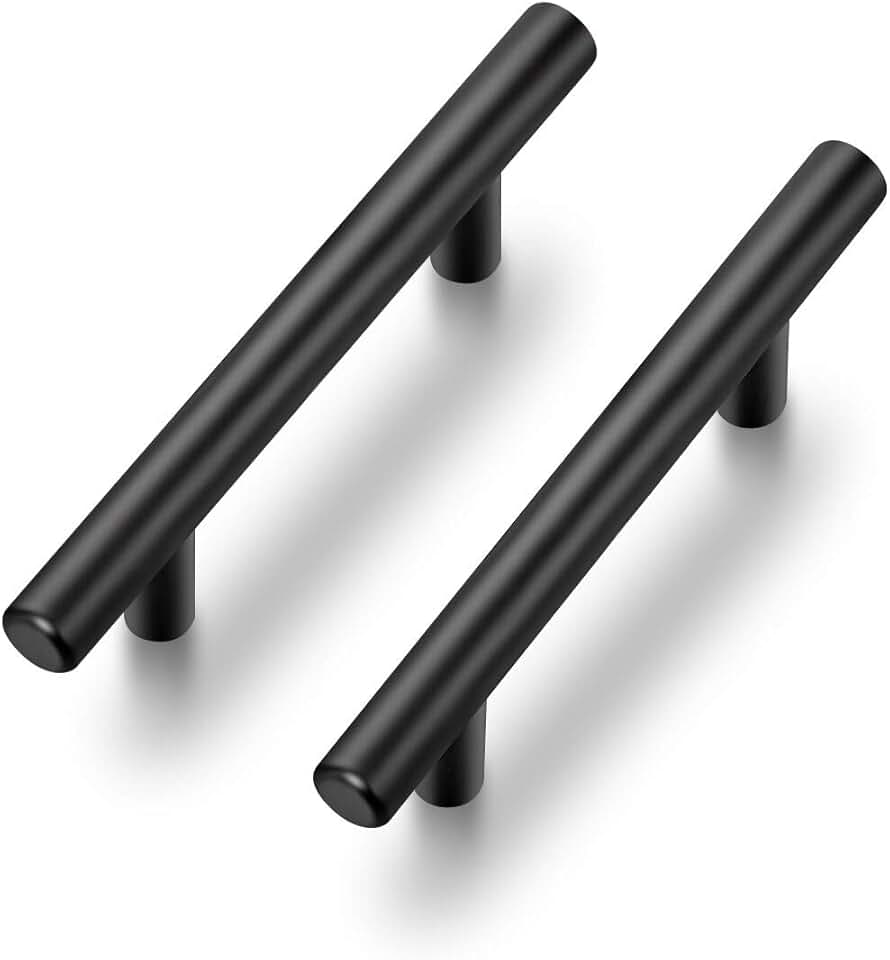
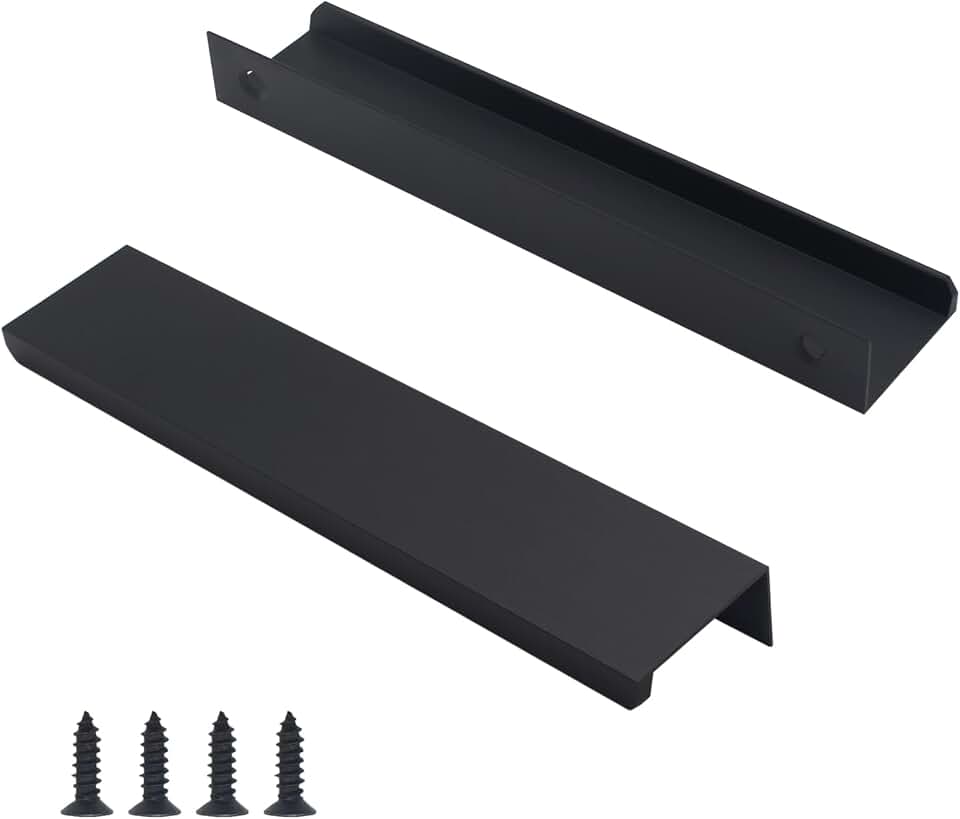
Matte black cabinet pulls anchor a kitchen or bathroom with quiet authority. The dark finish hides fingerprints better than polished chrome and pairs cleanly with white, gray, or wood cabinetry. When choosing matte black hardware, look for a powder-coated or PVD (physical vapor deposition) finish. These methods bond the color to the metal, preventing the chipping and fading that plague cheaper painted alternatives.
Durability matters as much as the look. Matte black pulls that use solid brass or stainless steel cores resist bending under weight and withstand daily scrubbing. The finish should be matte, not glossy, to maintain that modern, understated aesthetic. Avoid finishes that feel plasticky or leave residue on your hands, as these are signs of thin coating that will wear through quickly.
The market offers several strong contenders for 2026. The following Amazon widgets highlight top-selling matte black pulls that balance style, weight, and long-term wear resistance. These selections focus on hardware that holds up to frequent use without losing its finish.

As an Amazon Associate, we may earn from qualifying purchases.
Best brushed brass options
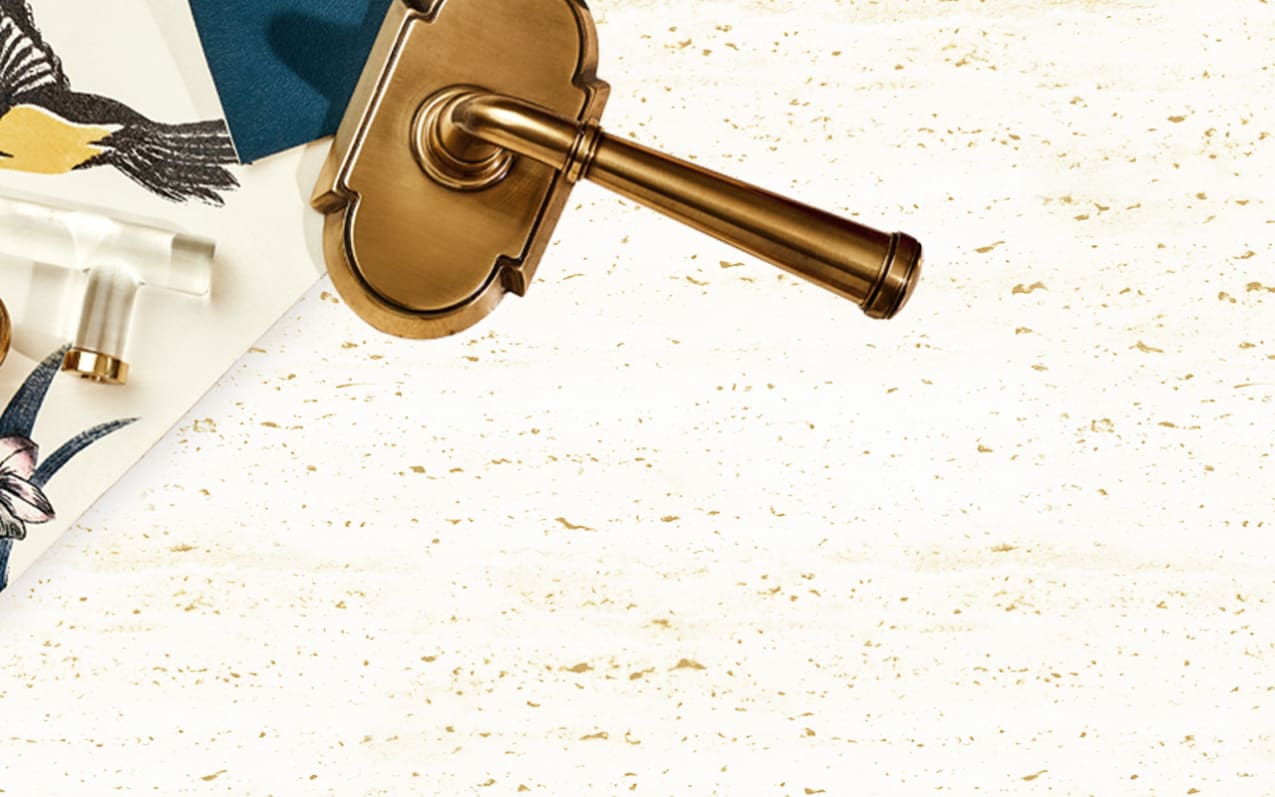
Brushed brass brings warmth and a sense of luxury to transitional and modern kitchens. Unlike polished brass, which can feel dated or overly shiny, the soft matte finish of brushed brass hides fingerprints and wear while still catching the light. It pairs naturally with the clean lines of modern cabinetry and the softer curves of transitional design, acting as a bridge between the two.
When selecting brushed brass pulls, look for a finish that feels substantial rather than thin-plated. A heavier gauge metal ensures the pull feels good in the hand and lasts through years of opening and closing. The undertone matters too; some brass leans yellow and warm, while others have a slight pink or red hue. For most contemporary spaces, a neutral, slightly muted brass tone offers the most versatility.
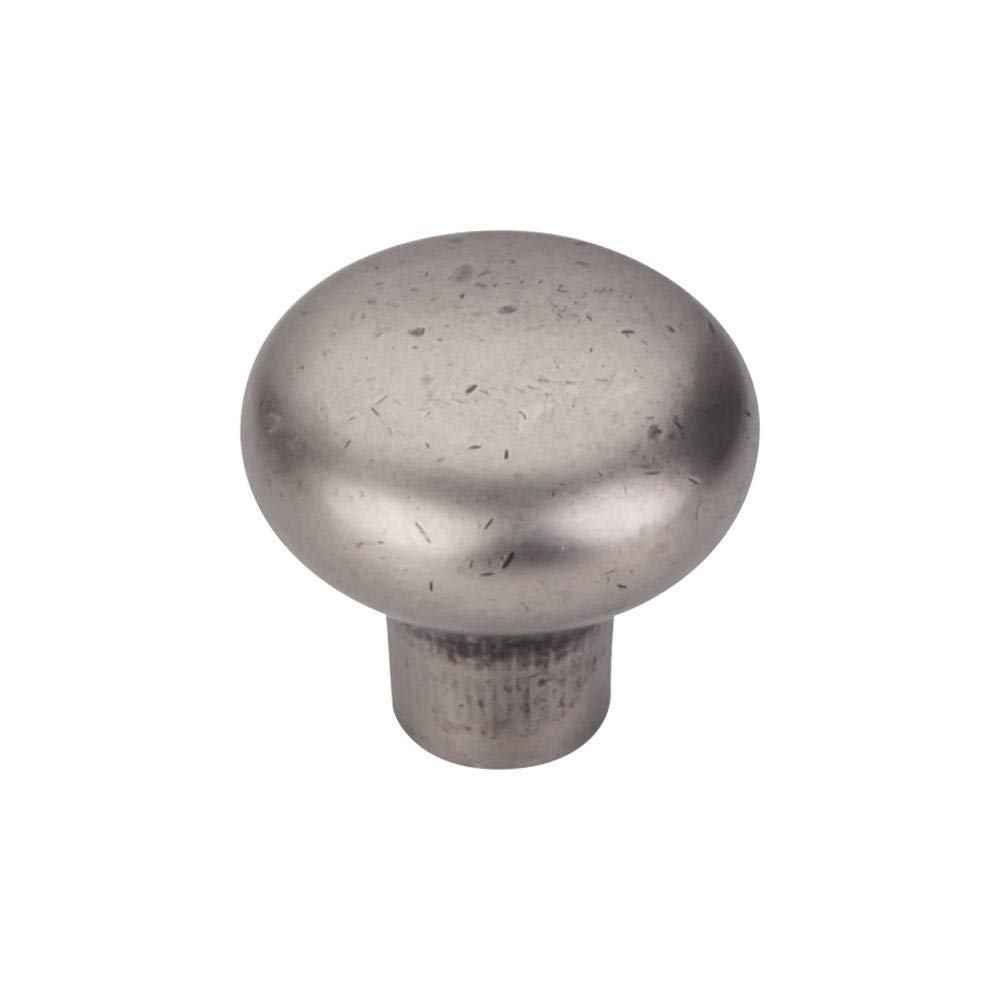
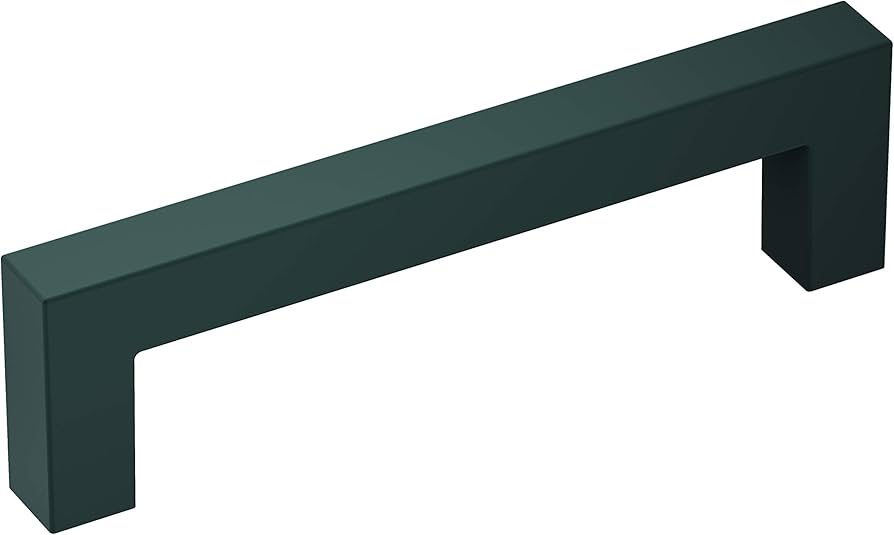
The following options are popular choices for homeowners seeking that specific warm, metallic accent without the high-maintenance shine of polished gold.
As an Amazon Associate, we may earn from qualifying purchases.
Choosing the right brushed brass pull often comes down to the scale of your cabinets. Longer pulls tend to work best on drawers, while shorter knobs or pulls suit cabinet doors. Consistency is key; mixing different lengths or slightly different shades of brass can look chaotic. Stick to one finish family across your kitchen to maintain a cohesive, high-end look.
How to choose the right size
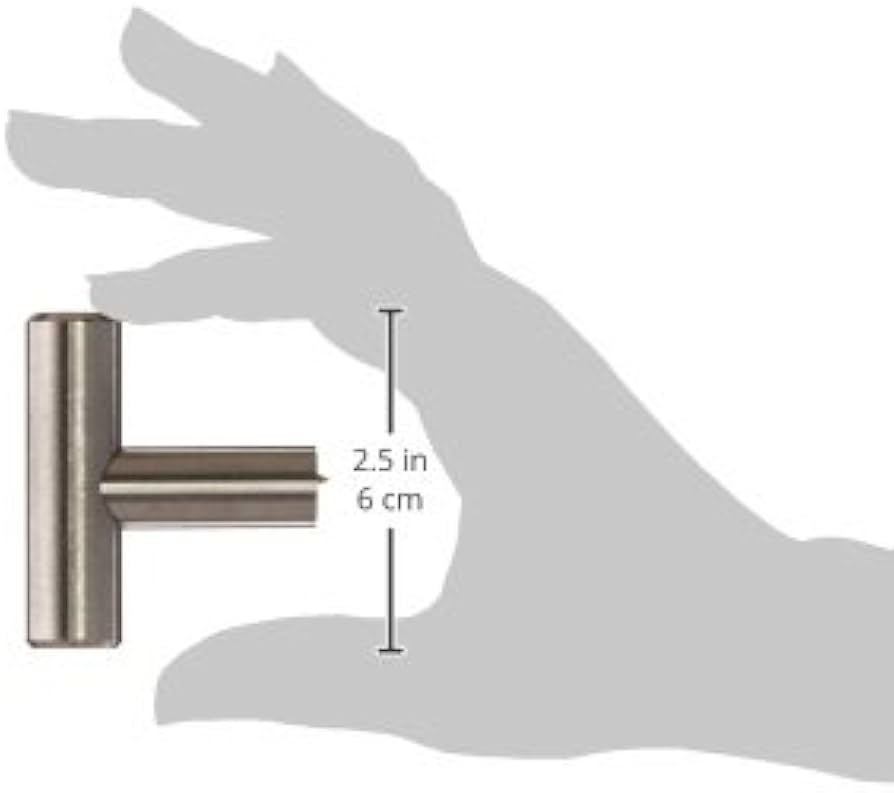
Choosing the right size for cabinet pulls isn't just about aesthetics; it's about ensuring the hardware fits your cabinets correctly and feels comfortable to use. The two most critical measurements are the hole centers (the distance between the screw holes) and the placement height on the door or drawer front. Getting these wrong means drilling new holes or dealing with hardware that feels awkward or unstable.
Hole center measurement is the distance between the centers of the two mounting holes. This is the most rigid constraint. If your cabinet has existing holes, measure from the center of one hole to the center of the other. Standard sizes are 3 inches (77mm) and 5 inches (128mm), but 96mm and 160mm are also common in European-style cabinetry. If you are installing new hardware on a blank door, measure the width of the door to determine the appropriate pull length. A good rule of thumb is that the pull length should be roughly 1/3 to 1/4 of the door or drawer width.
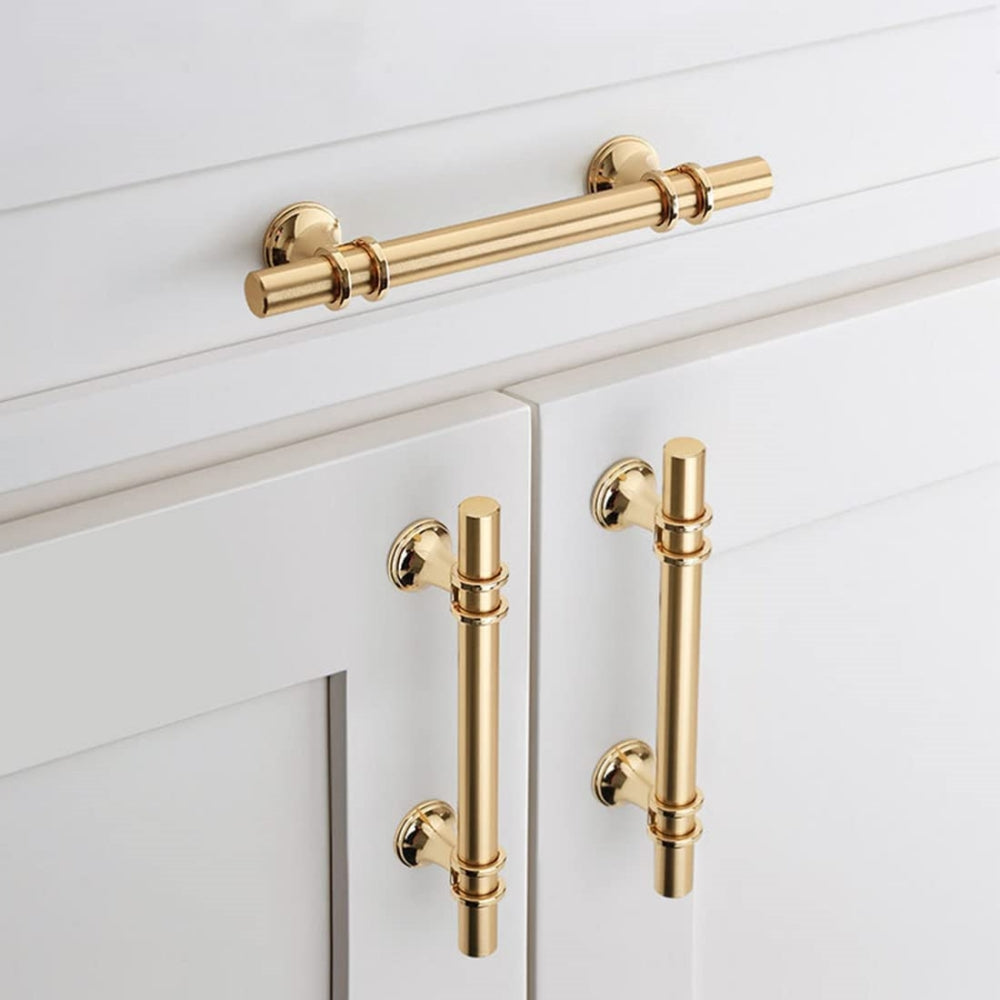
Placement affects both ergonomics and visual balance. For lower cabinets and drawers, the pull is typically mounted between 2.5 and 3 inches from the bottom edge of the door or drawer front. For upper cabinets, mounts are usually 2 to 3 inches from the top edge. This consistency creates a clean, professional look across the entire kitchen or bathroom. If you are mixing knobs and pulls, maintain the same vertical alignment line for all hardware to keep the design cohesive.
The backset is the distance from the edge of the door to the center of the mounting hole. Standard backsets are 3-1/2 inches and 96mm, but always check the product specifications. Longer pulls (8 inches and up) work best on wide drawers, providing a balanced grip and a substantial look in brushed brass or matte black finishes. Shorter pulls or knobs are better suited for smaller cabinet doors where a large pull might look disproportionate or interfere with adjacent hardware.
| Criterion | Pull | Knob |
|---|---|---|
| Best for | Drawers, wide doors | Small doors, cabinets |
| Grip | Full hand grip | Fingertip grip |
| Visual weight | Bold, linear | Subtle, compact |
Common installation mistakes
Even the best brushed brass or matte black pulls can look amateurish if installed incorrectly. The most frequent error is misalignment across a row of drawers. When handles are not perfectly level or evenly spaced, the kitchen feels disjointed rather than curated. Use a physical template or a laser level to mark your drill points before making a single hole. This small step ensures that every pull in your matte black collection sits in a straight line, creating a cohesive visual rhythm.
Another critical mistake is drilling into the wrong part of the cabinet frame. Upper cabinets typically require hardware placed 2.5 to 3 inches from the bottom edge of the door, while lower cabinets often benefit from placement near the top corner. Ignoring these standard guidelines can result in pulls that interfere with adjacent doors or drawers. Always measure twice to ensure your chosen hardware complements the cabinet's proportions rather than fighting against them.
Finally, avoid over-tightening the mounting screws. Brushed brass finishes are durable, but excessive force can strip the screw holes or damage the cabinet material. Tighten the screws just enough to hold the pull firmly in place. If a hole is slightly misaligned, use a wood filler or a larger mounting plate to correct it before re-drilling. Proper installation preserves the integrity of your cabinets and ensures your new hardware remains secure for years.
No comments yet. Be the first to share your thoughts!