
Cabinet pulls budget
Finding the right cabinet pulls often comes down to balancing material quality against your immediate budget. Matte black and brushed brass finishes have different price points depending on the base metal, and understanding these tradeoffs helps avoid paying for premium finishes on lightweight components.
Budget-friendly options
For tight budgets, look for zinc alloy pulls with a PVD (Physical Vapor Deposition) matte black finish. These are widely available and offer a durable coating that resists chipping better than standard painted finishes. While they lack the weight of solid metal, they provide a clean, modern look for rental properties or temporary updates. Expect these to range from $5 to $15 per pair.
Mid-range value
The sweet spot for most homeowners is stainless steel or solid brass with a brushed brass finish. These materials offer genuine durability and a tactile weight that feels substantial when opening drawers. A good mid-range pull will have a smooth ball-bearing glide mechanism in the matching hinges, ensuring the hardware functions as well as it looks. Prices typically sit between $15 and $30 per pair.
Premium investment
High-end projects often feature solid bronze or heavy-gauge brass with a hand-rubbed matte black or antique brass finish. These pieces develop a unique patina over time, adding character to the kitchen. The higher cost reflects the raw material weight and the complexity of the finishing process. These pulls can cost $30 to $60+ per pair, making them a significant investment for large kitchens.
Where to buy
Amazon remains a convenient source for comparing these options side-by-side. You can often find multi-packs that reduce the per-unit cost, which is helpful when outfitting an entire kitchen. Always check the finish description carefully, as "matte black" can vary significantly between brands in terms of texture and durability.
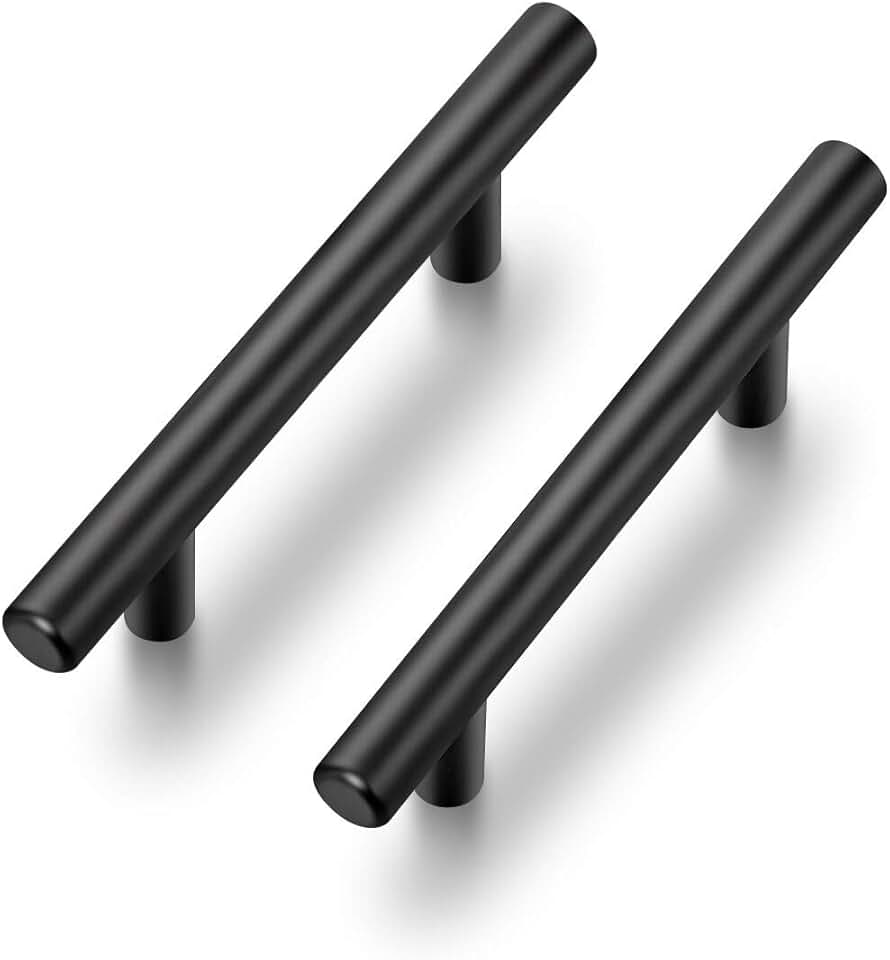

As an Amazon Associate, we may earn from qualifying purchases.
Shortlist real options
Finding the right cabinet pulls often comes down to balancing finish durability, grip comfort, and visual weight. Matte black and brushed brass have emerged as the dominant choices for 2026, each offering distinct advantages depending on your kitchen’s lighting and usage patterns.
Matte black hardware excels in modern and industrial settings, hiding fingerprints better than high-gloss finishes while providing a sharp contrast against light cabinetry. Brushed brass, meanwhile, adds warmth to transitional spaces, softening the sterility of white or gray cabinets without the high-maintenance shine of polished gold.
The following comparison highlights four widely available options that represent the current standard for quality and aesthetic appeal. These selections prioritize reliable construction and finish longevity over fleeting trends.
| Brand | Finish | Style | Best For |
|---|---|---|---|
| Top Knobs | Matte Black | Bar Pull | Modern minimalist kitchens |
| Amerock | Brushed Brass | T-Bar | Transitional designs |
| Emtek | Matte Black | Arch Pull | Statement pieces |
| Brizo | Brushed Brass | Loop Handle | Luxury accents |


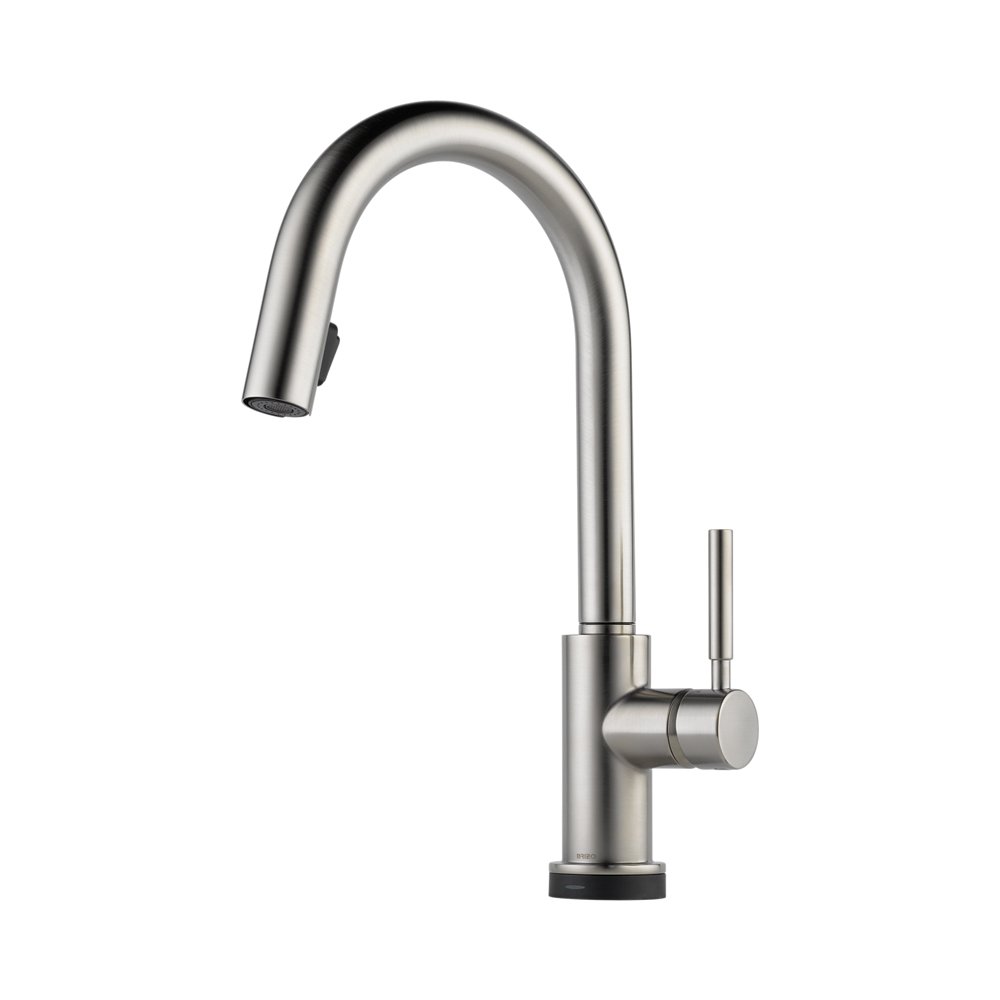
As an Amazon Associate, we may earn from qualifying purchases.
When evaluating these options, consider the scale of your drawers. Longer pulls, such as the T-bar and bar styles, offer better leverage for heavy drawers, while loop handles work best on cabinet doors. Ensure the finish coating is thick enough to withstand daily contact, especially in households with children or high traffic.
Inspect the expensive parts
Kitchen cabinet hardware is a common upgrade, but replacing a failed handle is far cheaper than replacing a ruined cabinet door. When shopping for matte black or brushed brass finishes, the failure points are rarely the aesthetic design—they are the structural connections and finish durability. A $5 pull that fails in a year costs more in labor and frustration than a $20 one that lasts.
Use this checklist to inspect the hardware before you buy, focusing on the components that cause the most expensive repairs.
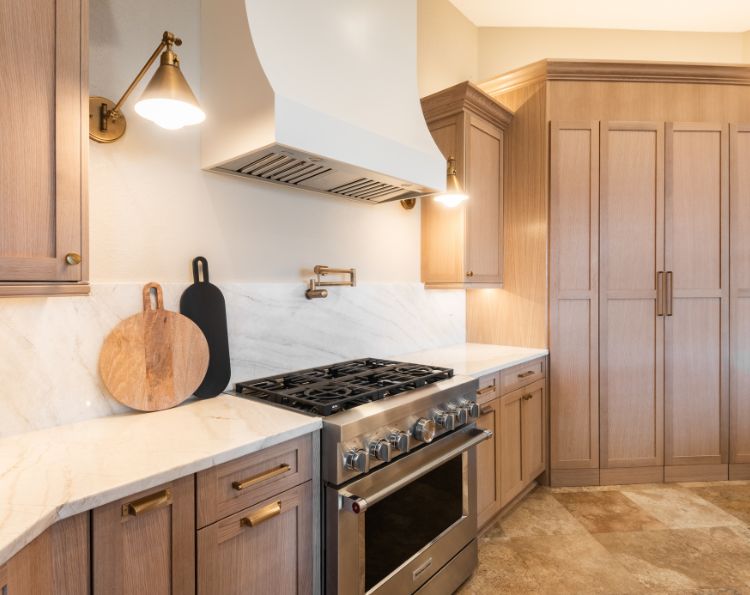
The most common cause of cabinet damage is screws that are too long. If a screw penetrates through the front of your cabinet box, it can hit internal plumbing, wiring, or the back panel. Measure your cabinet door thickness and subtract at least 1/4 inch to ensure the screw doesn’t pierce through. Standard drawer pulls often come with 3-inch screws, which are frequently too long for standard 3/4-inch doors.
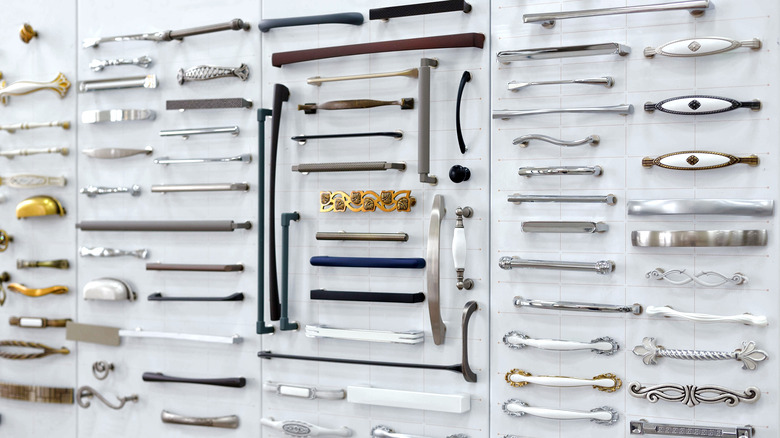
Avoid hardware that requires you to thread the screw through the pull from the front. This design is fragile and often strips the metal hole in the handle. Instead, look for "pull-through" screws that attach from the back of the cabinet door. These are hidden behind the pull, provide a stronger mechanical connection, and allow you to tighten the handle securely without twisting the metal.
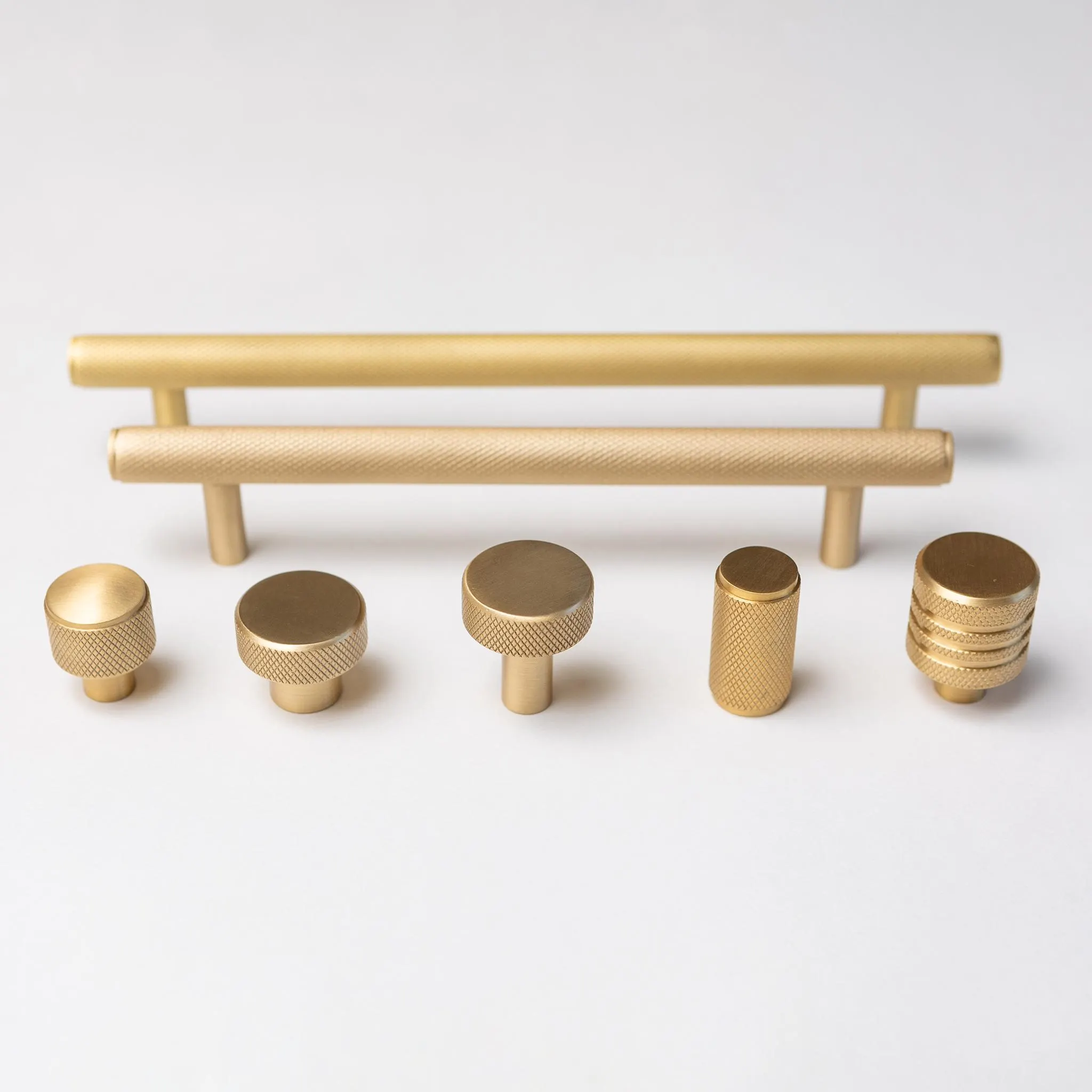
Matte black finishes are notorious for chipping, revealing silver or white metal underneath. Brushed brass can tarnish or turn green if the lacquer fails. Reputable manufacturers offer a lifetime warranty against finish defects. Check the product details for a "warranty" section. If a brand doesn’t explicitly state their finish guarantee, assume the coating is basic and may degrade within a few years of heavy kitchen use.
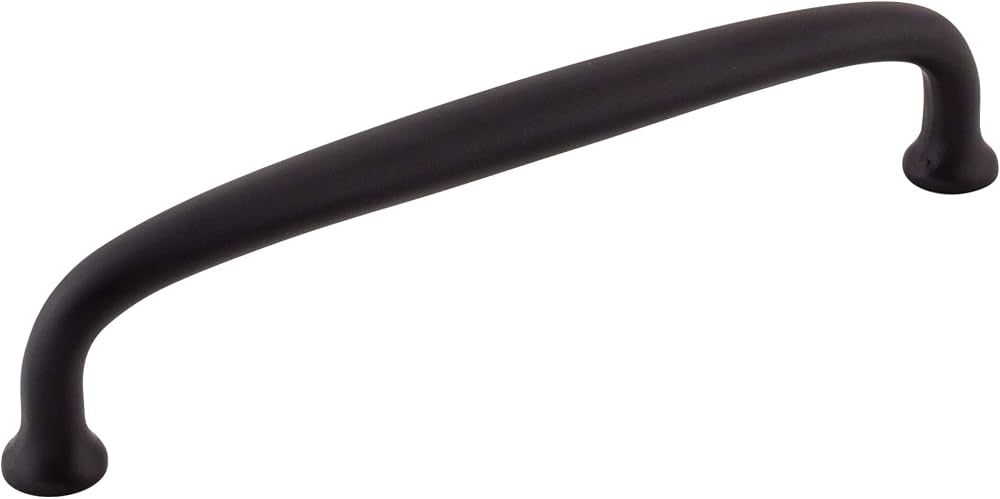
Hardware is sized by the distance between the two mounting holes, not the total length. A 128mm center-to-center pull is not the same as a 128mm total length. If you are replacing existing hardware, measure the hole spacing precisely. If you are drilling new holes, ensure the chosen hardware’s hole spacing aligns with your cabinet’s structural studs or reinforcement blocks to prevent the wood from splitting under tension.
As an Amazon Associate, we may earn from qualifying purchases.
By focusing on these mechanical details, you avoid the hidden costs of DIY repairs. A thorough inspection of the screws, finish, and spacing ensures your new matte black or brushed brass hardware looks good and stays attached for years.
Plan for ownership costs
Use this section to make the Hardware Trends decision easier to compare in real life, not just on paper. Start with the reader's actual constraint, then separate must-have requirements from details that are merely nice to have. A practical choice should survive normal use, maintenance, timing, and budget. If a recommendation only works in an ideal situation, call that out plainly and give the reader a fallback path.
The simplest way to use this section is to write down the must-have criteria first, then compare each option against those criteria before weighing nice-to-have features.
No comments yet. Be the first to share your thoughts!