
The Shift: Why Brass is Back
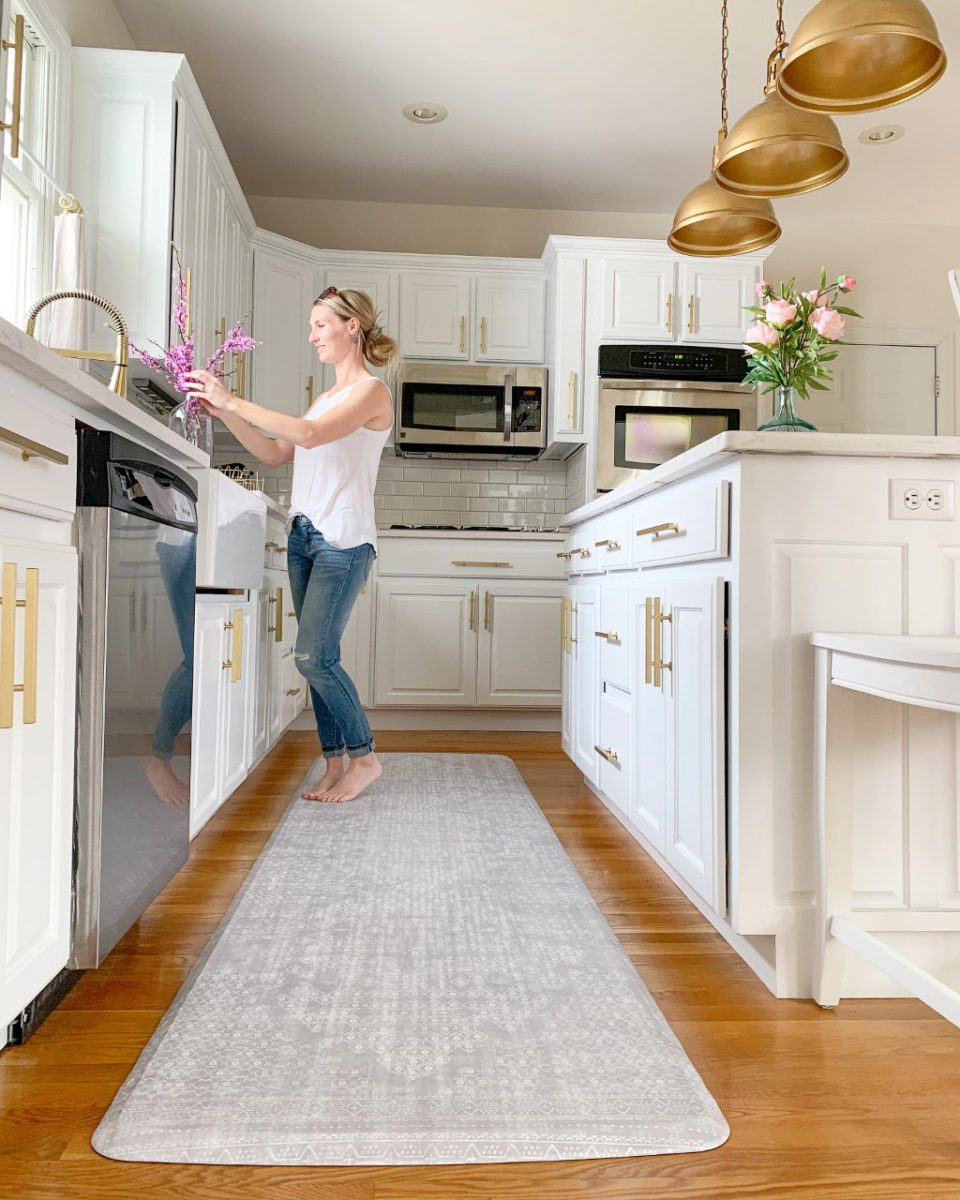
Stainless steel has been the go-to for kitchen and bathroom hardware for years, offering a cool, minimalist look. But a shift is happening. Brass drawer pulls and cabinet hardware are making a comeback, bringing warmth and tradition back into homes.
This isn't just about a new color. Many people are tired of the cool tones that have dominated interiors and are looking for warmth, texture, and a sense of history. Brass, with its golden hue and tactile quality, offers this. It's a natural move away from years of stainless steel and chrome.
Brass has a long history in interiors, valued for its beauty, durability, and corrosion resistance. From Victorian doorknobs to ship fittings, it has a rich heritage. We're not seeing innovation, but a return to a classic material that simply faded from view. Consumers are driving this demand, not just designers.
The shift is subtle but noticeable. Home design blogs and magazines increasingly feature brass in kitchen and bathroom updates. It adds personality and character, moving away from sterile modernity towards a more inviting, lived-in feel.
Brass Finishes Explained: Beyond 'Polished'
When people think of brass finishes, 'polished' often comes to mind. But there's more to brass hardware than just that. Understanding the different finishes helps you choose the right look. Polished brass is bright and reflective, with a glamorous, traditional feel, but it needs regular polishing to keep its shine.
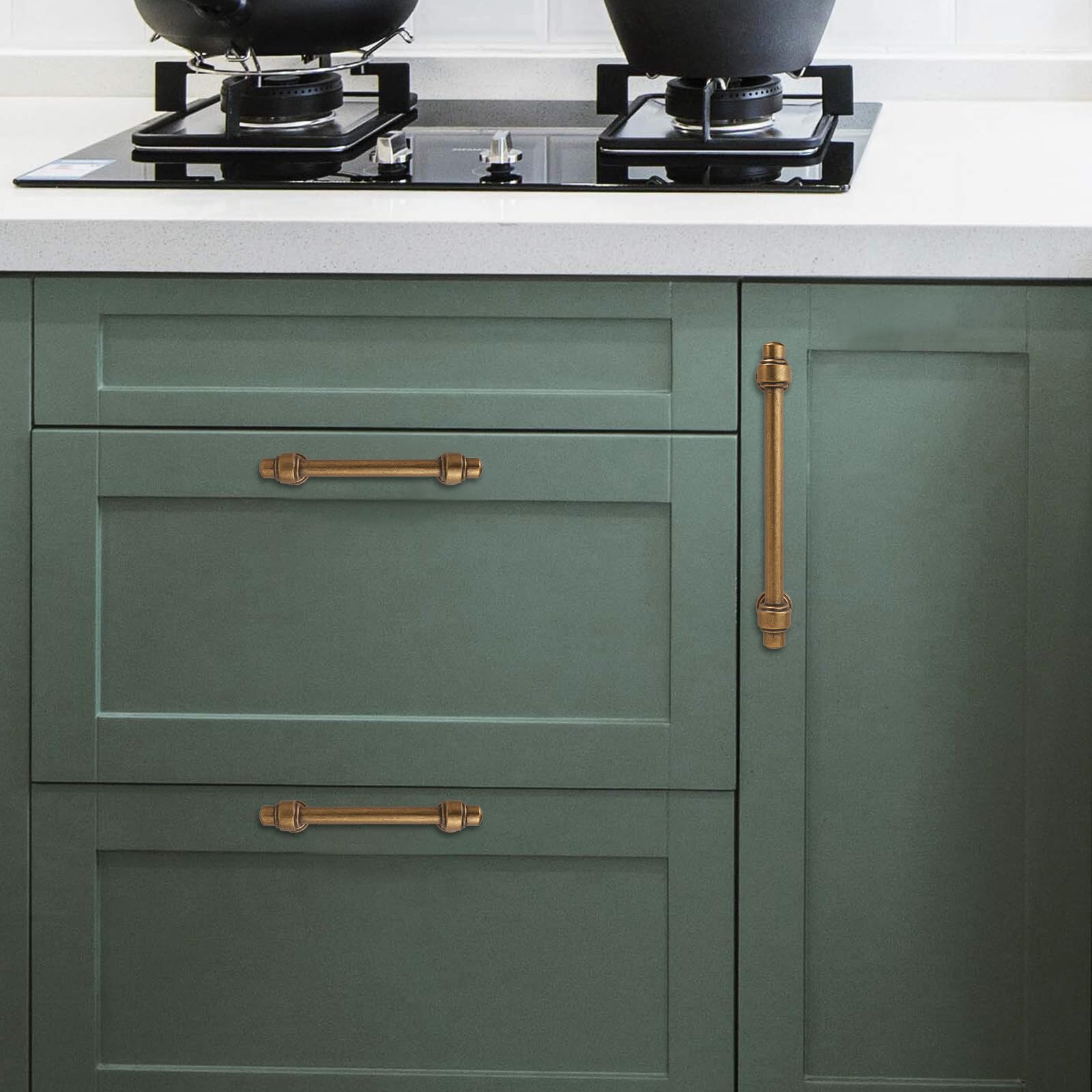
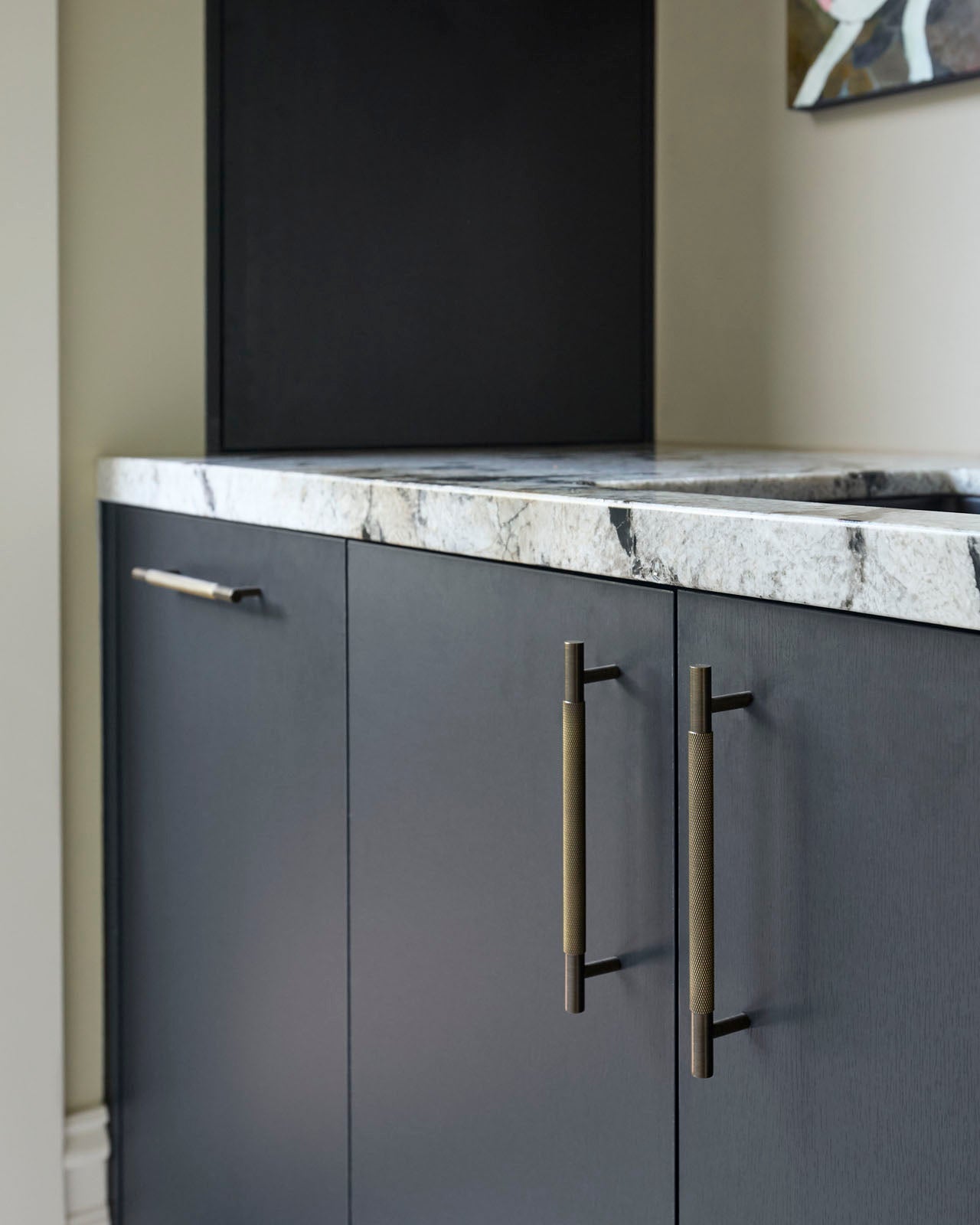
Antique brass has a darker, more subdued tone with intentional patina and distressing, offering vintage charm and hiding fingerprints and minor wear. Satin brass has a softer sheen, avoiding the glare of polished brass while still showing the metal's color. Brushed brass features a fine, linear texture for subtle visual interest.
Oil-rubbed bronze, often mistaken for brass, is a chemically darkened finish on brass. It's a rich, dark brown with a rustic, old-world aesthetic. Satin and antique brass hide smudges better than polished brass, and oil-rubbed bronze is particularly good at concealing wear and tear. Antique brass appears to be the most forgiving finish.
Durability varies. Polished brass needs more upkeep. Satin and brushed finishes are durable but can scratch. Antique brass and oil-rubbed bronze are the most resilient, as their darker finish hides imperfections. The best finish depends on your lifestyle and aesthetic preferences.
- Polished Brass: Bright, reflective, requires regular polishing.
- Antique Brass: Darker, subdued, vintage charm, more forgiving.
- Satin Brass: Softer sheen, less glare, good visual interest.
- Brushed Brass: Fine, linear texture, subtle visual interest.
- Oil-Rubbed Bronze: Dark brown, rustic, old-world aesthetic.
Comparative Analysis of Brass Finishes for Drawer Pulls
| Brass Finish | Style Compatibility | Maintenance Level | Durability | Fingerprint Visibility |
|---|---|---|---|---|
| Antique Brass | Traditional, Rustic, Farmhouse | Medium | High | Low |
| Polished Brass | Traditional, Transitional | Medium-High | High | Medium-High |
| Satin Brass | Modern, Transitional, Contemporary | Low-Medium | High | Medium |
| Oil Rubbed Bronze (often brass-based) | Rustic, Traditional, Industrial | Medium | High | Low-Medium |
| Matte Brass | Modern, Scandinavian, Minimalist | Low | High | Medium |
| Burnished Brass | Traditional, Vintage, Eclectic | Medium | High | Medium-Low |
Illustrative comparison based on the article research brief. Verify current pricing, limits, and product details in the official docs before relying on it.
The 2026 Forecast: Brass’s Projected Dominance
Brass hardware sales are building momentum, with 2026 projected to be a peak year. Forge Hardware Studio and Inspire Hardware report significant increases in sales and inquiries. Inspire Hardware's customer service team noted a 35% rise in brass-related questions in the last six months.
This trend is fueled by broader interior design movements like warm minimalism and Japandi aesthetics, which emphasize natural materials, muted colors, and calm—qualities brass embodies. Social media platforms like Pinterest and Instagram amplify this, with brass hardware frequently appearing in design feeds.
Signature Hardware's home trend reports position brass as a key element for 2026, predicting a move from cooler metallics to warmer finishes. While sales figures are private, consistent messaging from retailers indicates a significant trend.
Consumer preferences are also driving demand. People want hardware that feels unique and personal. Brass, with its history and character, offers individuality that stainless steel lacks. The demand for brass is about creating a home that reflects personality and style.
- Inspire Hardware reports a 35% increase in brass-related customer inquiries.
- Signature Hardware identifies brass as a key element in their 2026 home trend forecasts.
- Warm minimalism and Japandi aesthetics are driving demand for natural materials like brass.
Brass vs. Stainless Steel: A Head-to-Head
Stainless steel remains a practical and durable option for kitchen and bathroom hardware. However, compared to brass, its weaknesses are apparent. Aesthetically, stainless steel can feel cold and sterile, while brass offers warmth and character. While subjective, the shift in consumer preference is clear.
Both materials are durable. Stainless steel resists corrosion and staining, ideal for high-moisture areas. Brass is also corrosion-resistant but can tarnish over time, needing occasional cleaning. Many appreciate the patina that develops on brass as a sign of age and character.
Stainless steel is easier to maintain, requiring minimal upkeep. Brass, especially polished brass, needs more attention to address tarnishing and maintain shine. It's a trade-off between beauty and convenience. Brass hardware is generally more expensive than stainless steel, particularly solid brass pieces.
Environmental impact is another factor. Stainless steel production is energy-intensive, while brass can be made from recycled materials, though mining for its components has consequences. Some individuals are sensitive to the nickel in brass, which can cause allergic reactions; stainless steel is generally hypoallergenic.
- Aesthetics: Brass offers warmth and character, stainless steel can feel cold.
- Durability: Both are robust, but brass can tarnish.
- Maintenance: Stainless steel is easier to clean, brass requires more attention.
- Cost: Brass is generally more expensive.
- Environmental Impact: Stainless steel production is energy-intensive, brass can be made from recycled materials.
- Allergies: Nickel in brass can cause reactions in some individuals.
Styling with Brass: Kitchens and Beyond
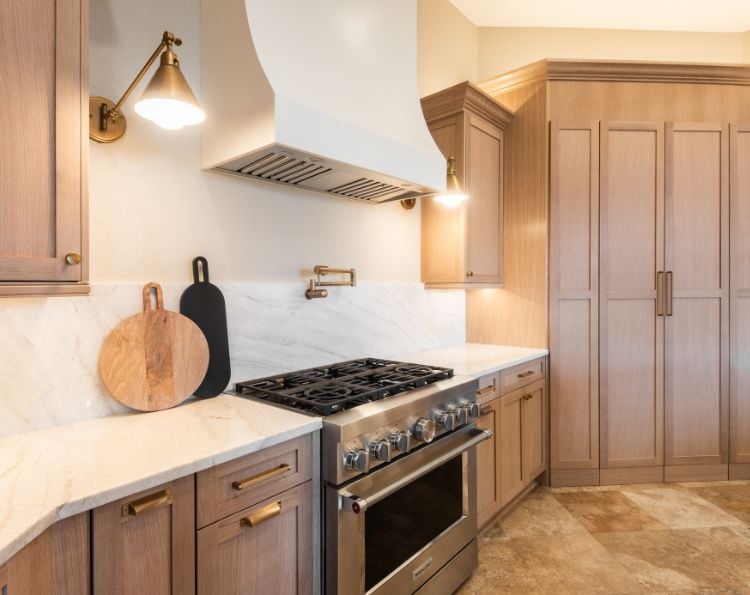
Brass hardware is versatile and complements many kitchen styles. In modern kitchens, sleek brass pulls add warmth to minimalist designs. For farmhouse kitchens, antique brass enhances rustic charm. Transitional kitchens benefit from brass's balance of traditional and contemporary elements.
Don’t limit brass to the kitchen. In bathrooms, brass faucets, towel bars, and cabinet pulls can create a luxurious and inviting atmosphere. In bedrooms, brass hardware on furniture can add a touch of elegance and sophistication. Consider using brass pulls on dressers, nightstands, and wardrobes.
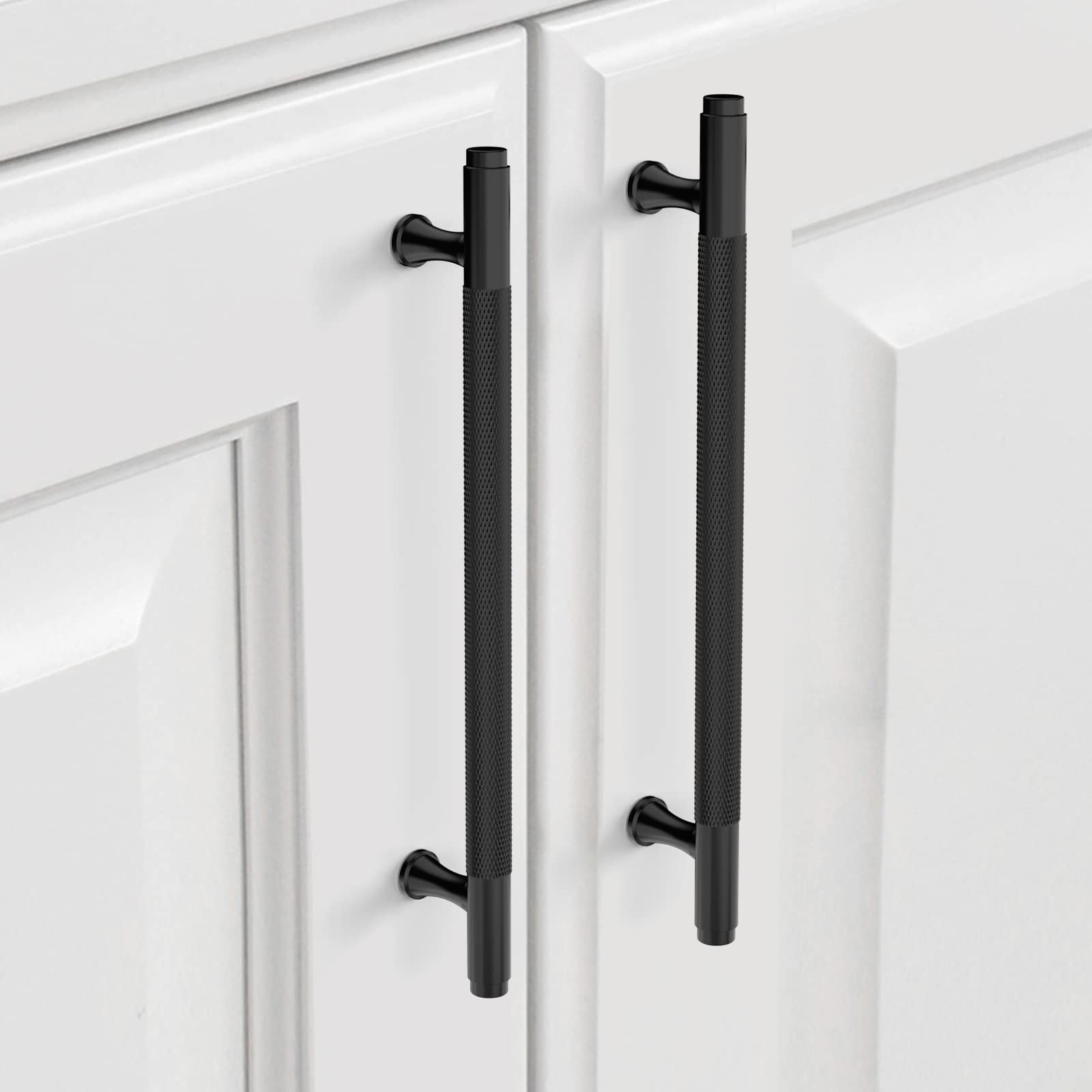
Coordinating brass with other metals and finishes requires a thoughtful approach. Brass pairs beautifully with warm woods, such as walnut and cherry. It also complements neutral color palettes, like whites, grays, and creams. When combining brass with other metals, aim for contrast rather than competition. For example, brushed brass looks stunning alongside matte black or oil-rubbed bronze.
Avoid overwhelming a space with too much brass. Use it as an accent, not the dominant feature. A few well-placed brass pulls or knobs can make a big impact without feeling ostentatious. Consider the overall style of your home and choose brass finishes that complement your existing décor. It’s about creating a cohesive and harmonious look.
Where to Buy: Reputable Brass Hardware Sources
Finding high-quality brass hardware requires some research. Inspire Hardware (inspirehardware.com) offers a wide selection of brass drawer pulls and cabinet handles, with a focus on craftsmanship and design. They provide excellent customer service and offer a 60-day return policy. Forge Hardware Studio (forgehardwarestudio.com) specializes in antique brass hardware, offering unique and historically-inspired pieces.
Beyond these dedicated hardware retailers, you can find brass hardware at larger home improvement stores like Home Depot and Lowe’s, but the selection and quality may vary. Look for solid brass hardware whenever possible, as brass-plated hardware can wear off over time, revealing a cheaper base metal underneath. Solid brass is more durable and will maintain its appearance for longer.
I'm also discovering several smaller, independent makers who are creating beautiful, handcrafted brass hardware. These artisans often use traditional techniques and offer custom options. Websites like Etsy are a good place to find these hidden gems. Expect to pay a premium for handmade hardware, but the quality and uniqueness are often worth the investment.
When comparing prices, be sure to consider the material and construction. Solid brass hardware will generally be more expensive than brass-plated hardware, but it will also last longer and look better. Read reviews and compare specifications before making a purchase.
Content is being updated. Check back soon.
Caring for Your Brass: Keeping the Shine
Proper care is essential for maintaining the beauty of your brass hardware. The cleaning method will depend on the finish. For polished brass, regular polishing with a brass cleaner is necessary to remove tarnish and restore its shine. Follow the manufacturer’s instructions carefully.
For antique brass and oil-rubbed bronze, avoid harsh cleaners, as they can strip the finish. Instead, use a mild soap and water solution. Gently wipe the hardware with a soft cloth, then dry thoroughly. For tarnished antique brass, you can use a brass polish specifically designed for antique finishes. Test the polish in an inconspicuous area first.
To prevent tarnishing, avoid exposing brass hardware to moisture and harsh chemicals. Wipe up spills immediately and avoid using abrasive cleaners. You can also apply a protective coating, such as a clear lacquer, to help prevent tarnishing. However, this coating may need to be reapplied periodically.
Regular cleaning and maintenance will help keep your brass hardware looking its best for years to come. A little effort can go a long way in preserving the beauty and value of this classic material. I’ve found that a preventative wipe down with a microfiber cloth every week or two can significantly reduce the buildup of tarnish.
#AskTOH is back!
— Ask This Old House (@AskTOH) January 3, 2023
🖌️ @MaurosPainting shows how to remove different types of wallpaper
🔌 Heath explains how different amped receptacles can cause breaker trips
🛠️ Nathan upgrades kitchen cabinet hardware
Tune in on @PBS & @TheRokuChannel!
How to watch👉 https://t.co/S8PIx0QkBU pic.twitter.com/kd4sGVBdfx
No comments yet. Be the first to share your thoughts!