
Modern cabinet pulls budget
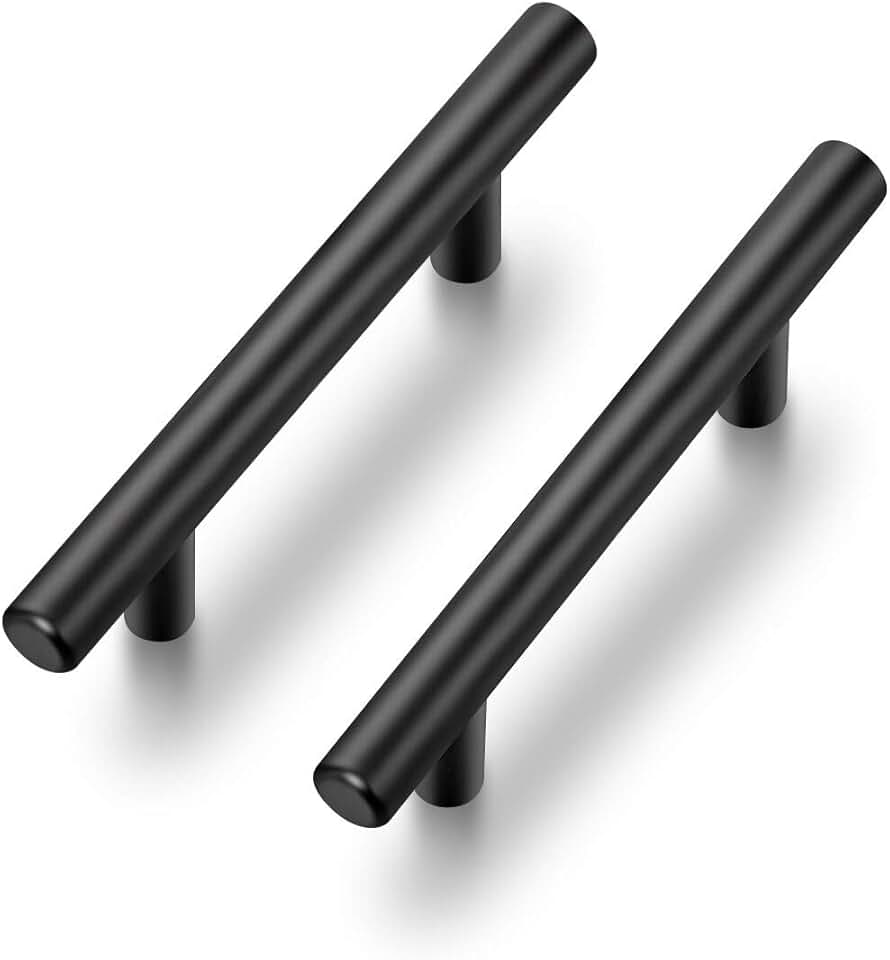
The price of kitchen hardware is a direct reflection of the materials and manufacturing processes behind the matte black and brushed brass finishes. Budget options, typically priced under $2 per pull, rely on zinc alloy bodies with thin PVD (Physical Vapor Deposition) or electroplated coatings. These finishes provide the desired aesthetic initially but are prone to scratching and fading, especially in high-traffic kitchens where fingers constantly contact the edges.
Mid-range pulls, sitting between $5 and $12 per unit, offer the best balance of longevity and style. This tier usually features solid brass or stainless steel cores with thicker, more durable coatings. The brushed brass finishes in this category often use a clear lacquer to prevent tarnishing, while the matte black options tend to have a harder, more scratch-resistant surface. For a standard 10-cabinet kitchen, this tier might cost between $100 and $200 for all pulls, a reasonable investment for hardware that will last decades.
Premium pulls start at $15 and can exceed $50 for custom lengths or solid bronze construction. These are often hand-finished or use high-grade alloys that resist corrosion and wear. While the visual difference can be subtle, the weight and feel of premium hardware provide a sense of quality that lighter, budget alternatives lack.

As an Amazon Associate, we may earn from qualifying purchases.
Shortlist real options
Finding the right modern cabinet pulls means balancing finish durability, material weight, and hole spacing. The current market is dominated by two distinct aesthetics: matte black for its stealthy, contemporary edge, and brushed brass for its warm, organic contrast. Below is a comparison of four strong contenders that represent these trends, followed by specific product recommendations.
Finish and Material Comparison
The table below highlights the core differences between popular modern hardware styles. Matte black finishes typically use powder-coating or PVD (Physical Vapor Deposition) for durability, while brushed brass relies on solid brass construction or high-quality plating to resist tarnishing.
Top Product Picks
These selections are chosen for their adherence to modern design principles, specifically focusing on the matte black and brushed brass finishes that define the 2026 hardware trend.


As an Amazon Associate, we may earn from qualifying purchases.
Key Takeaways
- Match the finish to the lighting: Matte black absorbs light for a bold statement, while brushed brass reflects it to add warmth.
- Check the hole spacing: Standard modern pulls often come in 96mm, 128mm, or 160mm centers. Measure your existing holes before buying.
- Prioritize solid materials: For brass, look for "solid brass" rather than plated zinc alloy for long-term durability and weight.
Inspect the expensive parts
Cabinet pulls are small, but they carry the weight of daily use. A failure here is expensive because it means drilling new holes, patching wood, and refinishing. Inspect the hardware before you commit to a finish like matte black or brushed brass.
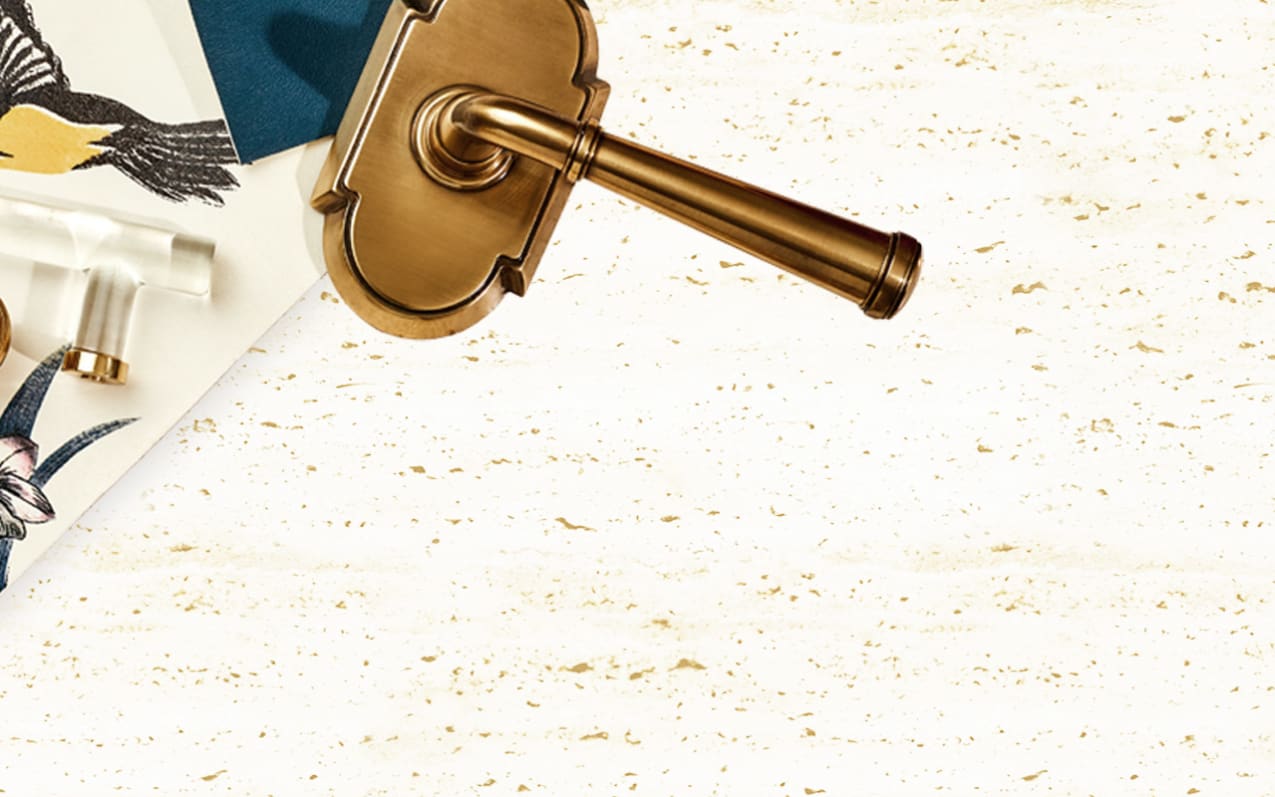
Look for two-screw mounting points. Single-screw designs are prone to wobbling and will tear out of softwood cabinets over time. Ensure the screws are long enough to bite into the cabinet frame, not just the door skin.
Matte black finishes hide fingerprints but can chip if the coating is thin. Brushed brass shows wear patterns that some love and others hate. Ask for the finish warranty. A reputable brand will guarantee against peeling or flaking for at least five years.
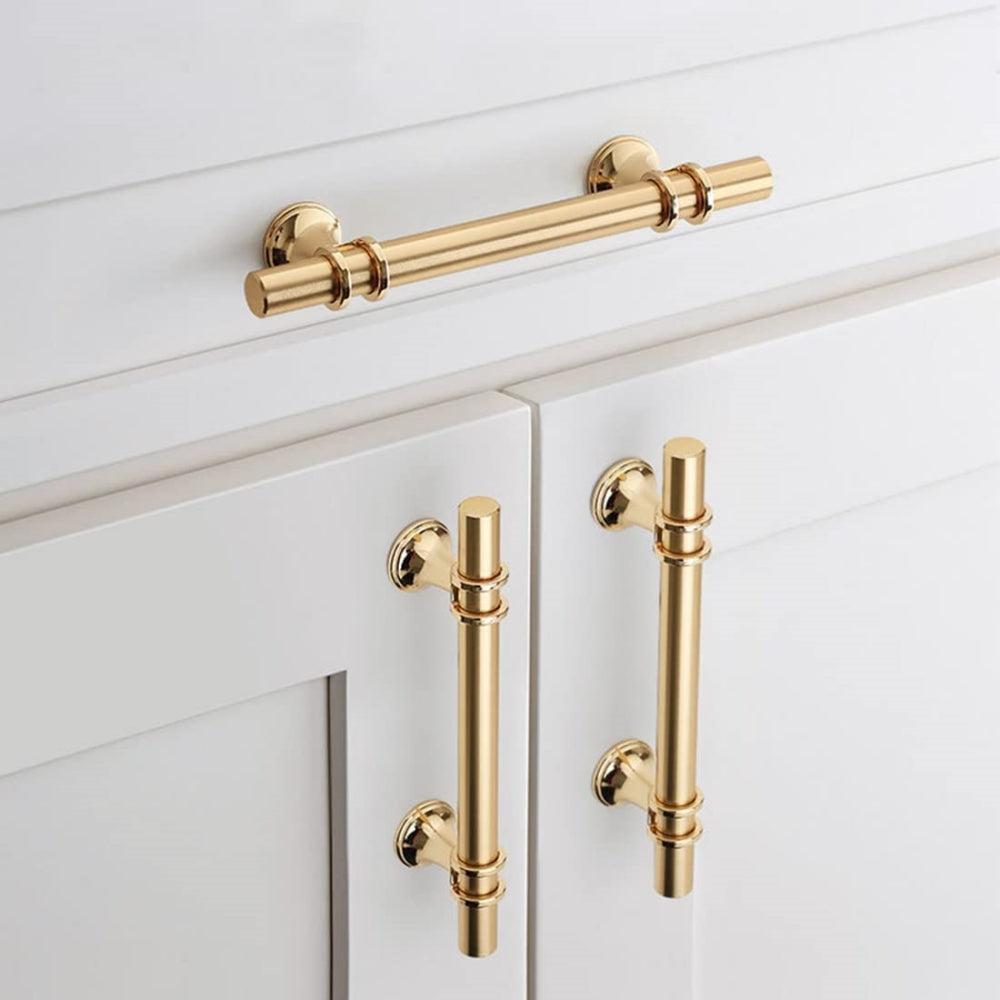
Hold the pull in your hand. It should feel substantial, not hollow. Lightweight pulls often use zinc alloy or thin stamped metal. Heavier pulls made from solid brass or zinc alloy with a thick plating will feel solid and operate smoothly.

Check the distance between screw holes (center-to-center). Standard sizes are 3-inch, 5-inch, and 9-3/4-inch. If you are replacing existing pulls, measure carefully. Mismatched holes require new drilling or filling, which ruins the cabinet door.

As an Amazon Associate, we may earn from qualifying purchases.
The Real Cost of Ownership
Matte black and brushed brass finishes look striking in a catalog, but their long-term maintenance differs significantly from the sticker price suggests. A matte black pull often carries a hidden maintenance tax; while it hides fingerprints well, it is highly susceptible to water spots and mineral deposits. Without regular cleaning with a microfiber cloth and a dedicated metal-safe cleaner, these pulls can develop a cloudy, chalky residue that is nearly impossible to buff out without stripping the finish.
Brushed brass offers a different trade-off. It is generally more forgiving of daily wear and requires less frequent polishing to maintain its luster. However, the brushed texture can trap grease and cooking oils in its microscopic grooves. If not wiped down after heavy cooking sessions, this buildup creates a dull, sticky film that dulls the warm tones of the metal. The initial savings of a cheaper brass finish often disappear when you factor in the specialized cleaning products needed to keep it from tarnishing unevenly.
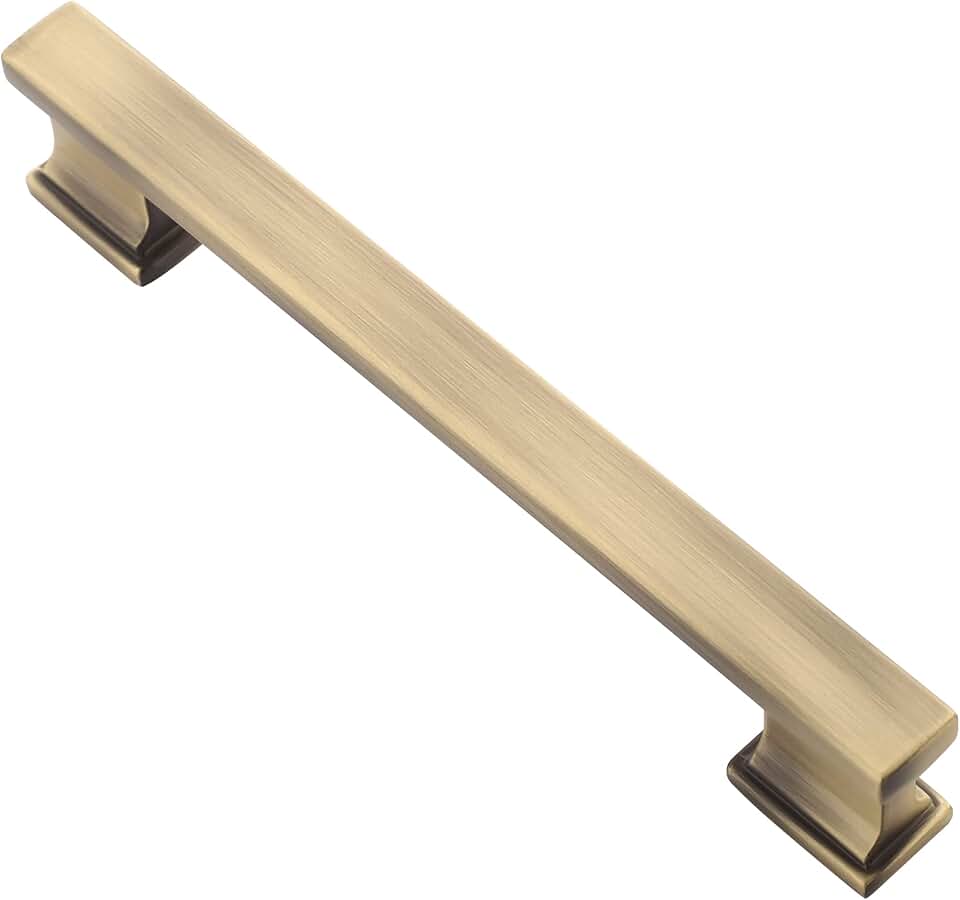
When a cheap buy stops being cheap, it usually comes down to material density. Low-cost pulls often use hollow zinc alloy with a thin electroplated layer. In a high-traffic kitchen, the plating will wear through at the screw holes and grip points within a few years, revealing the dull base metal underneath. This is not a cosmetic issue you can polish away. Replacing a run of twenty pulls is far more labor-intensive and costly than investing in solid brass or stainless steel hardware with a thicker, PVD-coated finish that resists wear for decades.


As an Amazon Associate, we may earn from qualifying purchases.
Modern cabinet pulls: what to check next
Will matte black finishes show fingerprints on high-use kitchen drawers? Matte black hardware is more forgiving of smudges than glossy black or polished chrome, but it is not invisible. Because the finish lacks a reflective layer, oils from your hands can create a slight sheen on the surface. Regular wiping with a soft, dry cloth keeps the look uniform. If you want a completely low-maintenance option, brushed brass or unlacquered brass develops a patina that hides daily wear better than any painted finish.
How do I match brushed brass pulls to existing kitchen fixtures? Brass finishes vary significantly in tone, ranging from yellow gold to reddish copper. To ensure your cabinet pulls complement your faucet and lighting, compare a small sample or photo against your existing hardware in natural daylight. Avoid mixing warm brass with cool-toned stainless steel unless you are intentionally creating a mixed-metal aesthetic. Consistent warmth is the easiest way to keep the design cohesive.
Do brushed brass pulls require special cleaning products? Brushed brass is generally durable, but harsh chemicals can damage the protective clear coat applied to most modern pulls. Avoid abrasive scouring pads or acidic cleaners like vinegar and lemon juice, which can strip the finish over time. Use a mild soap and water solution with a soft sponge. For unlacquered brass, the metal is exposed and will naturally oxidize; this requires specific brass care products if you want to maintain a shiny surface, or a wax seal if you want to preserve the current color.
What is the best way to install matte black pulls on soft-close drawers? Soft-close drawers often have limited clearance between the drawer front and the cabinet frame. Before drilling, measure the distance between the mounting holes and the edge of the drawer to ensure the pull does not interfere with the soft-close mechanism or adjacent cabinets. Matte black finishes can chip if the screws are overtightened into soft wood or particle board. Use a screwdriver with a torque clutch or stop turning once the pull is snug to prevent stripping the threads or cracking the finish.
No comments yet. Be the first to share your thoughts!