
Get modern cabinet pulls right
Before you drill a single hole, align your measurements with your design intent. Modern black and brass pulls look best when sized intentionally: a pull that is too small gets lost on a large drawer front, while one that is too large overwhelms a petite cabinet.
Start by measuring the distance between screw holes, known as the center-to-center measurement. The "one-third rule" is your best starting point: the pull length should be roughly one-third the width of the drawer or door. For example, a 36-inch wide drawer looks balanced with a 12-inch pull. This proportion creates visual harmony without feeling cluttered.
Decide between pulls and knobs based on function. Pulls are generally more modern and practical for deep drawers because they allow a full-grip hand hold. Knobs work well for upper cabinets where space is limited. If you are mixing metals, ensure the black and brass finishes share the same sheen level—matte with matte, polished with polished—to avoid a mismatched look.
Finally, verify your mounting hardware. Some modern pulls come with screws, while others require separate hardware. Check the backplate size against your drill bit to ensure a clean fit. Taking these steps upfront prevents costly mistakes and ensures your kitchen hardware installation looks professional.
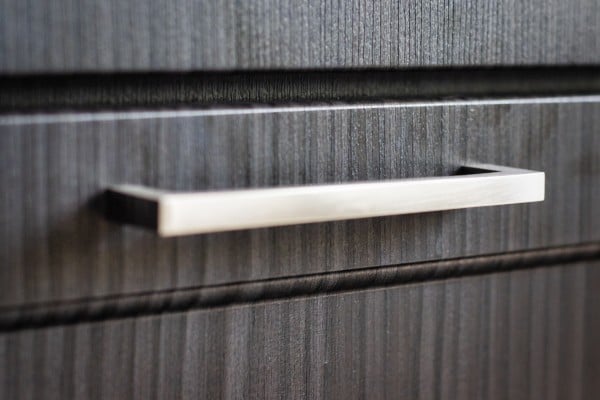
How to install modern black and brass cabinet pulls
Replacing cabinet hardware is the fastest way to update a kitchen’s look. Black matte and brushed brass pulls are dominating 2026 design trends because they add contrast without overwhelming the space. Follow these steps to ensure your new hardware fits perfectly and looks professional.
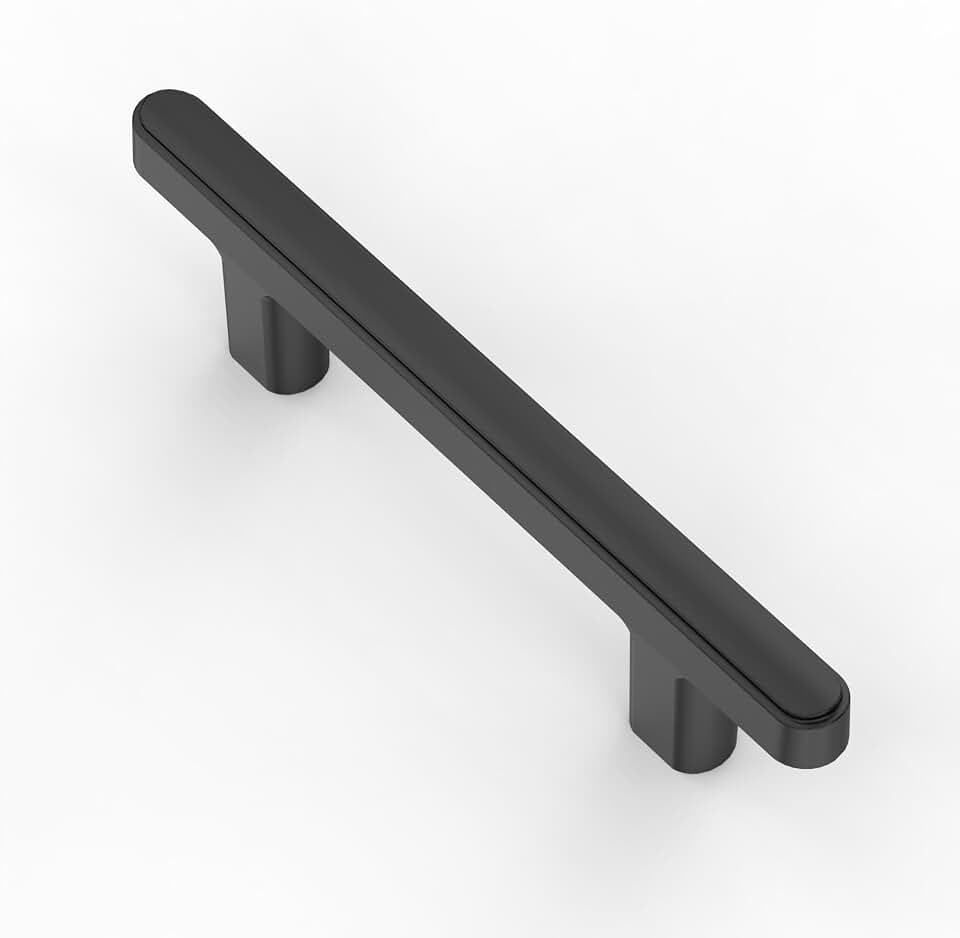


As an Amazon Associate, we may earn from qualifying purchases.
Fix Common Mistakes
Even the best black and brass pulls can look out of place if the installation is sloppy. Homeowners often rush through the planning phase, leading to hardware that feels cramped, misaligned, or simply disconnected from the cabinet’s architecture. Avoiding these pitfalls ensures your kitchen feels intentional rather than improvised.
Misjudging the Scale
One of the most frequent errors is choosing pulls that are too small for the door or drawer size. A tiny bar pull on a tall pantry door looks like an afterthought. Conversely, an oversized handle on a small drawer can dominate the visual field, making the cabinet feel cluttered. The pull should generally span the upper or lower third of the door, leaving enough negative space to let the hardware breathe.
Ignoring the 1/3 Rule
The 1/3 rule is a standard guideline for placement, but many installers ignore it. For horizontal drawers, place the pull one-third of the way in from the corner. For vertical cabinet doors, position it one-third down from the top. This creates a balanced visual weight. Placing handles in the exact center often feels static and can make large cabinets look boxy and uninviting.
Mismatching Orientations
Consistency matters more than perfection. If your upper cabinets use horizontal pulls, avoid switching to vertical handles on the lower drawers unless there is a deliberate design reason. Randomly alternating orientations creates visual noise. Stick to a single direction for a cohesive, modern look that ties the black and brass elements together.
Overlooking Mounting Holes
Before drilling, always verify the center-to-center measurement of your new pulls. Standard sizes range from 3 inches to 96 inches, but deviations are common. Drilling holes for a 16-inch pull when your cabinet has 12-inch spacing ruins the wood and requires expensive filler work. Double-check these dimensions against your cabinet’s existing hardware or template.
Skipping the Mockup
Never drill into finished cabinets without a test run. Use painter’s tape to mark the exact spots for your new pulls. Step back and view the kitchen from different angles. Do the black and brass tones pop against the cabinet color? Does the scale feel right? This low-cost step prevents irreversible mistakes and saves time on corrections.
Modern cabinet pulls: what to check next
Choosing between black and brass finishes often stalls a renovation. These answers clear up the most common hesitations before you commit to a hardware order.
No comments yet. Be the first to share your thoughts!