
Cabinet Pulls Budget
Setting a realistic budget for cabinet pulls requires balancing upfront cost against long-term durability. The market splits into three distinct tiers, each offering different tradeoffs in finish quality, material weight, and design complexity. Understanding these tiers helps you allocate funds where they matter most: the hardware you touch daily.
Budget Tier ($2–$6 per pull)
This tier typically features zinc alloy or lightweight aluminum with a thin electroplated finish. These pulls are ideal for rental properties, guest bathrooms, or temporary renovations where longevity isn't the primary concern. While the initial savings are significant, the finish may wear faster under heavy use. Look for matte black or brushed nickel finishes, which tend to hide minor scratches better than polished chrome in this price range.
Mid-Range Tier ($6–$15 per pull)
The sweet spot for most homeowners. Mid-range pulls often use solid brass or stainless steel cores with thicker plating or PVD (Physical Vapor Deposition) finishes. This tier offers a substantial jump in heft and tactile quality. Brands like Top Knobs and NY Hardware dominate this space, offering designs that mimic high-end luxury without the premium price tag. The finish durability here is generally sufficient for 10+ years of daily kitchen use.
Premium Tier ($15+ per pull)
Premium pulls justify their cost through artisanal craftsmanship, exotic materials like bronze or oil-rubbed finishes, and intricate detailing. These are statement pieces that anchor a high-end kitchen or spa-like bath. While expensive, the investment often pays off in unique aesthetics and exceptional longevity. For a full kitchen renovation, budgeting $15–$30 per pull can transform the space, but it requires careful planning to ensure the style aligns with your overall design vision.
Allocating Your Budget
A common planning heuristic is to allocate roughly one-third of your total hardware budget to the most visible pieces (kitchen island pulls), one-third to secondary cabinets (upper kitchen cabinets), and one-third to hidden or low-traffic areas (pantry, laundry). This ensures visual consistency without overspending on less noticeable hardware.

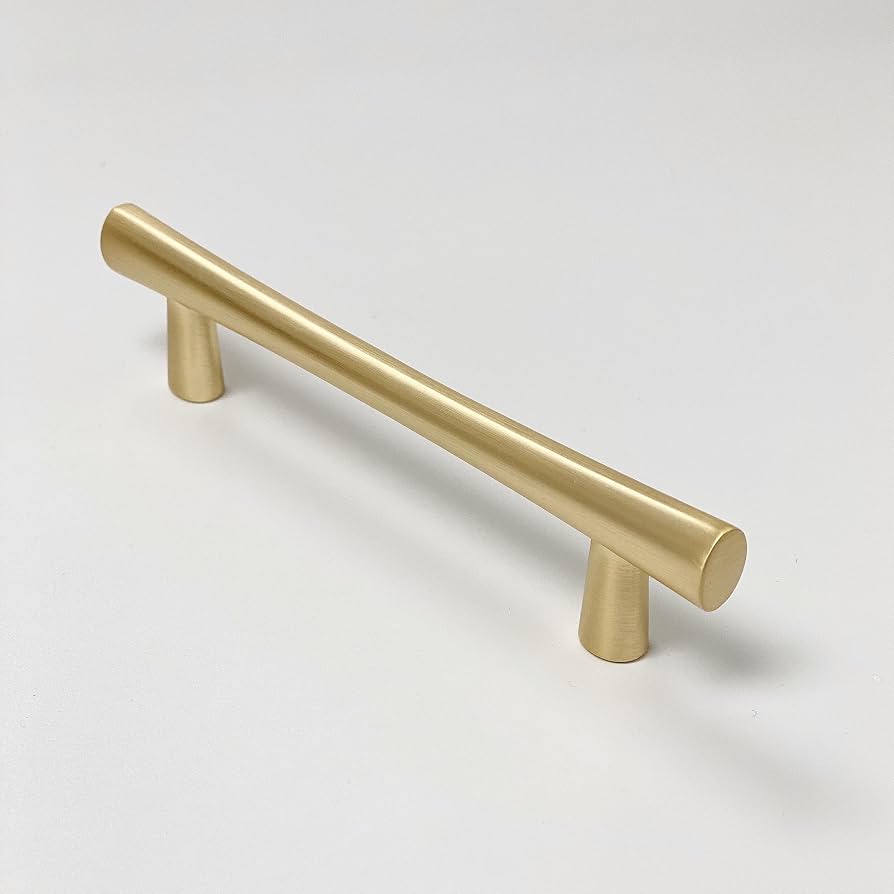
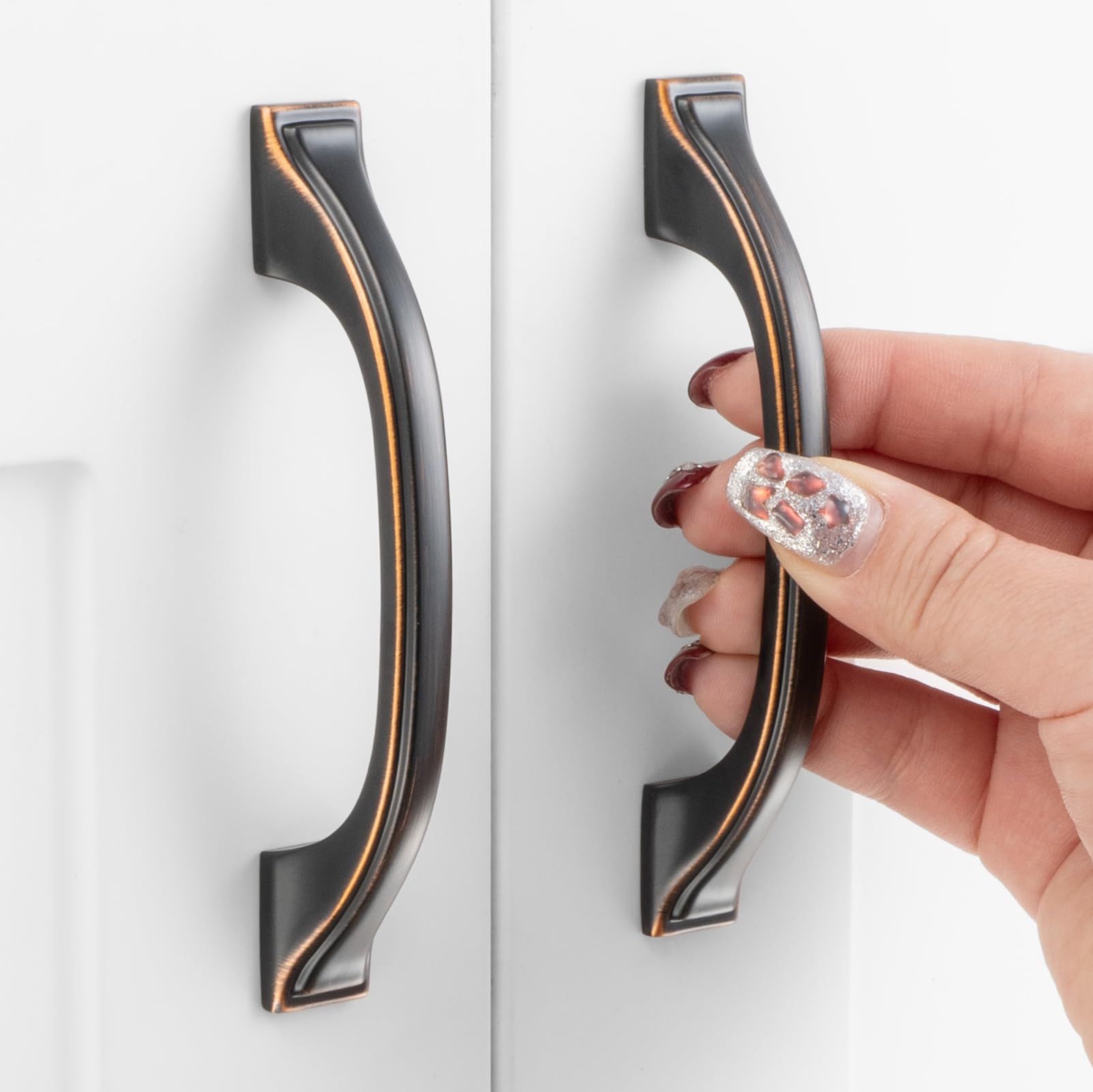
As an Amazon Associate, we may earn from qualifying purchases.
When shopping, always check the finish warranty. Even mid-range pulls can fail if the plating is thin. For a 2026 makeover, consider how your chosen finish interacts with natural light—matte finishes absorb light and hide fingerprints, while polished metals reflect it and show every smudge.
Shortlist real options
Use this section to make the Hardware Trends decision easier to compare in real life, not just on paper. Start with the reader's actual constraint, then separate must-have requirements from details that are merely nice to have. A practical choice should survive normal use, maintenance, timing, and budget. If a recommendation only works in an ideal situation, call that out plainly and give the reader a fallback path.
| Factor | What to check | Why it matters |
|---|---|---|
| Fit | Match the option to the primary use case. | A good deal still fails if it does not fit the job. |
| Condition | Verify age, wear, and service history. | Hidden condition issues erase upfront savings. |
| Cost | Compare purchase price with likely upkeep. | The cheapest option is not always the lowest-cost option. |
Inspect the expensive parts
Hardware failure is rarely sudden. It usually starts with small mechanical issues that compound over time, leading to loose screws, stripped threads, or broken mounting points. Replacing cabinet pulls is a weekend project; replacing a warped cabinet door or damaged drawer box is a costly renovation. Focus your inspection on the points of highest stress first.
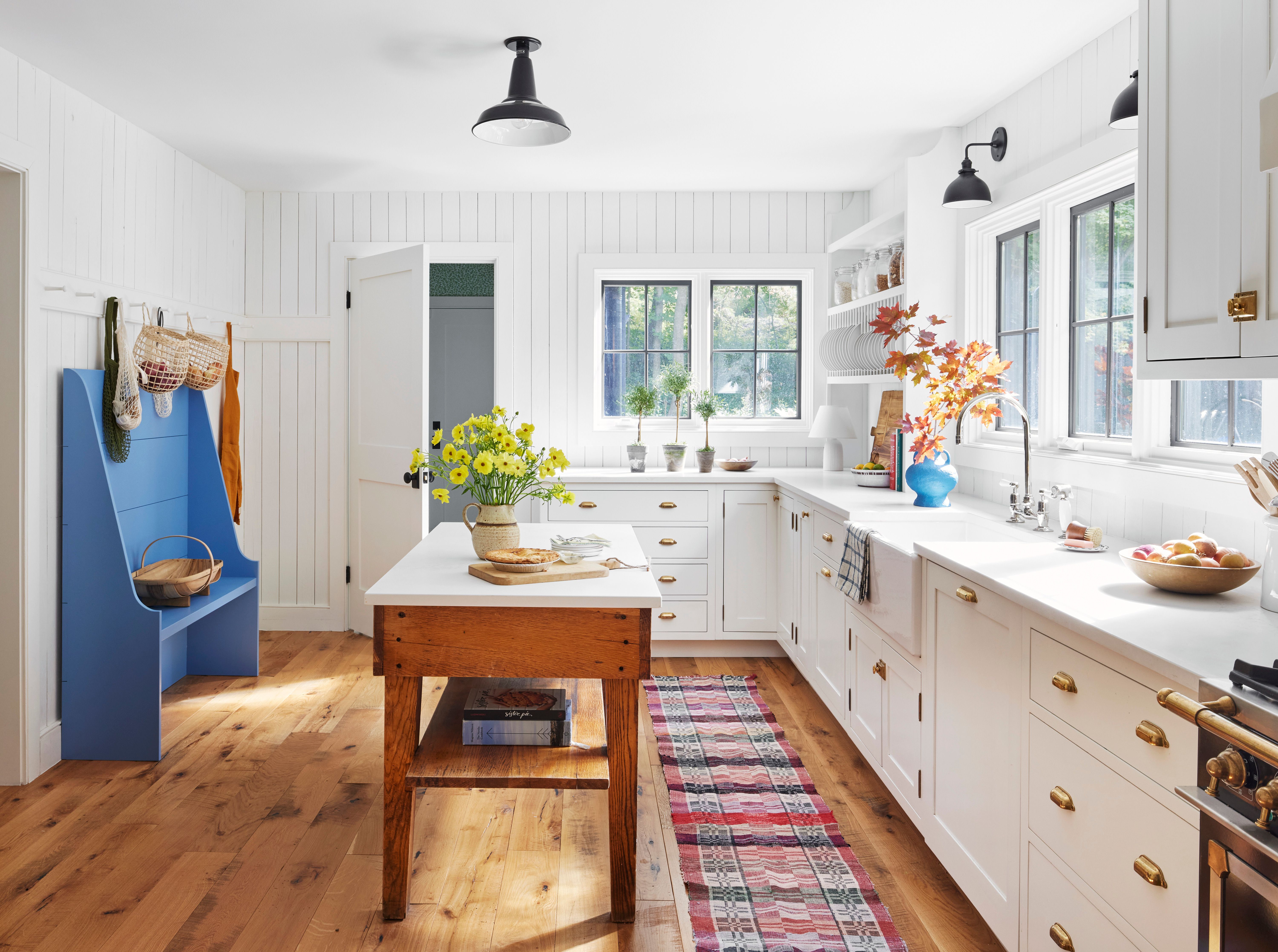
Old screws often strip the wood or particleboard inside the cabinet. Before buying new pulls, test the existing holes. If the threads are worn, you will need longer screws that reach the solid wood frame behind the cabinet face, or you will need to fill the holes with wood dowels and start fresh. This is the most common and expensive mistake homeowners make.
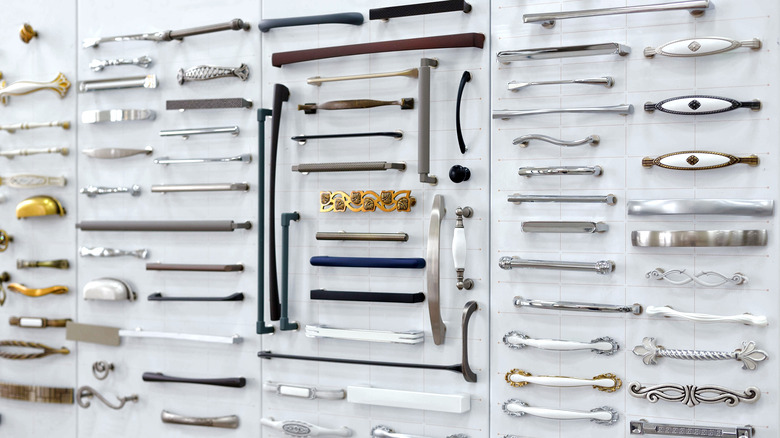
Mismatched spacing is the second biggest headache. Cabinet pulls come in standard center-to-center measurements like 3 inches, 5 inches, or 96mm. If your new pulls don’t align with the existing holes, you cannot simply drill new ones without ruining the aesthetic. Measure the distance between the two screw holes on your current hardware precisely before selecting replacements.
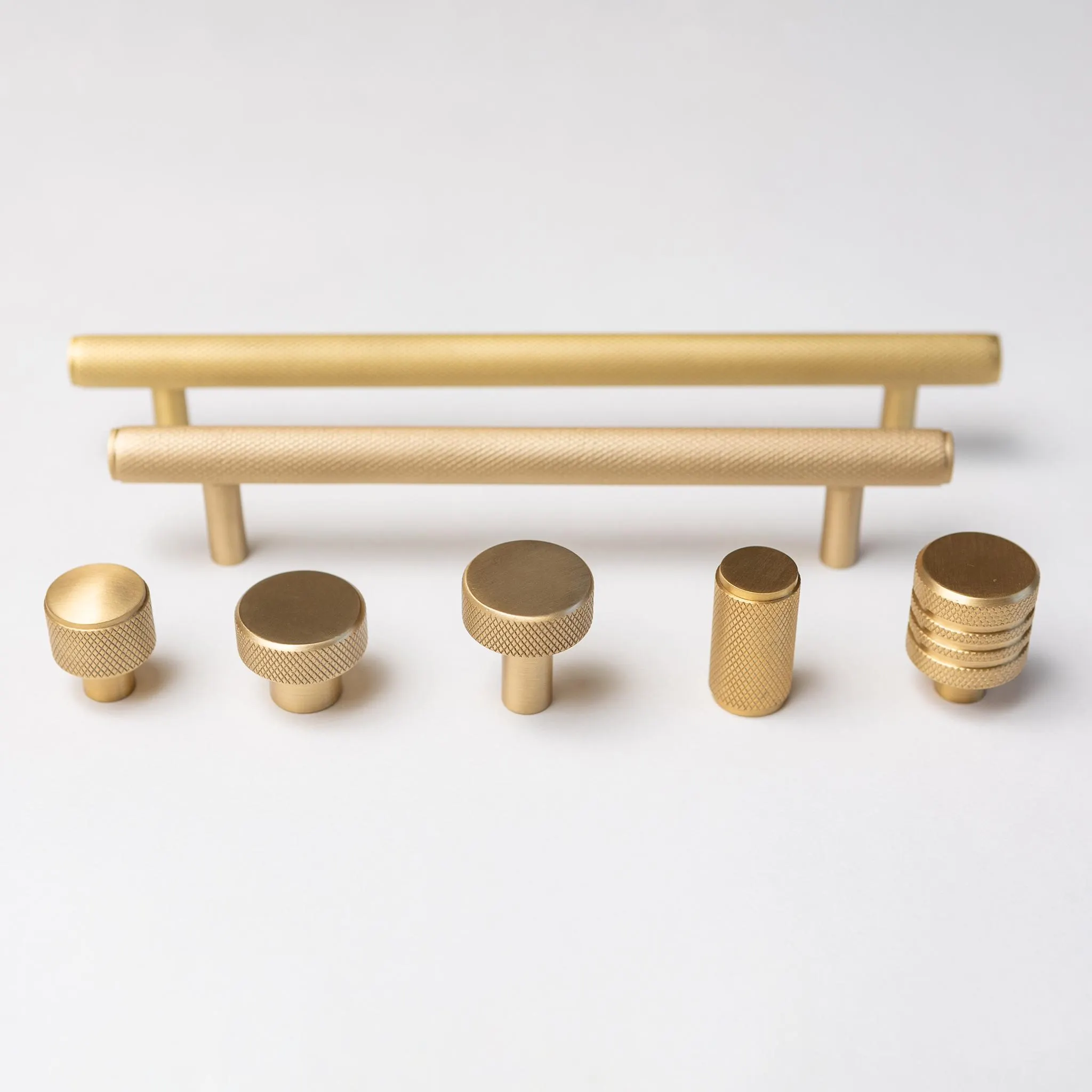
Look closely at the metal where it meets the cabinet surface. Corrosion or loose backplates indicate that the finish is failing or the mounting hardware is undersized. In high-use areas like kitchen islands, loose pulls can scratch countertops or damage adjacent cabinets. Tighten any loose screws and check for metal fatigue in the pull arm itself.
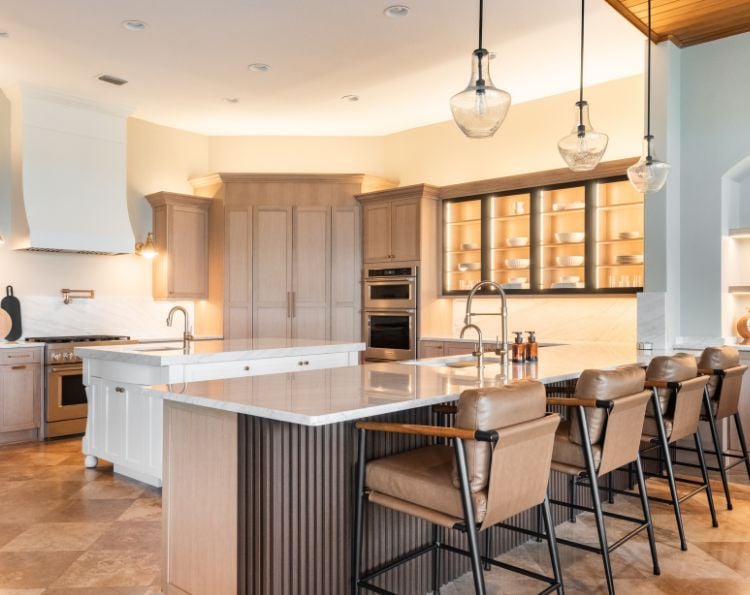
Heavy stone countertops put significant strain on drawer hardware. If your drawers sag or the pulls feel flimsy when pulled open, the issue might not be the pull itself, but the drawer slides underneath. Ensure your new pulls are rated for the weight of your drawers. Lightweight aluminum pulls may look modern but can bend under heavy loads over time.
Ownership costs and maintenance surprises
The sticker price is only the first expense. Cabinet pulls are mechanical components that endure daily friction, humidity, and cleaning chemicals. A $3 pull that chips after six months costs more per year than a $15 pull that lasts a decade. When evaluating hardware, factor in the cost of replacement hardware, the labor to remove stripped screws, and the potential damage to cabinet faces during installation or removal.
When "cheap" stops being cheap
Budget hardware often relies on thin plating over zinc alloy or hollow steel. These finishes wear through quickly, exposing base metals that tarnish or rust. In a bathroom with high humidity, uncoated metal pulls can pit within a year. In a kitchen, frequent hand oils and acidic cleaners accelerate corrosion on low-grade finishes. The visual decline is immediate, but the structural failure—loose screws, broken mounts, or detached handles—is the real hidden cost.
Maintenance realities
Regular maintenance extends lifespan, but not all finishes require the same care. Brushed nickel and matte black generally tolerate mild soap and water well. Polished chrome requires frequent polishing to remove water spots and fingerprints. Oil-rubbed bronze needs specific conditioners to maintain its patina and prevent uneven wear. Check the manufacturer’s care instructions before buying. Using the wrong cleaner can strip protective coatings, voiding warranties and shortening the product's life.
Making the right choice
Invest in hardware with a solid core and a reputable finish warranty. Brands like Top Knobs and NY Hardware offer lines with rigorous salt-spray testing for corrosion resistance. While the upfront cost is higher, the long-term value is clear. Avoid hardware with vague "antique" or "distressed" labels unless the finish is clearly described and tested. A well-made pull is a small investment that protects the larger value of your cabinets.


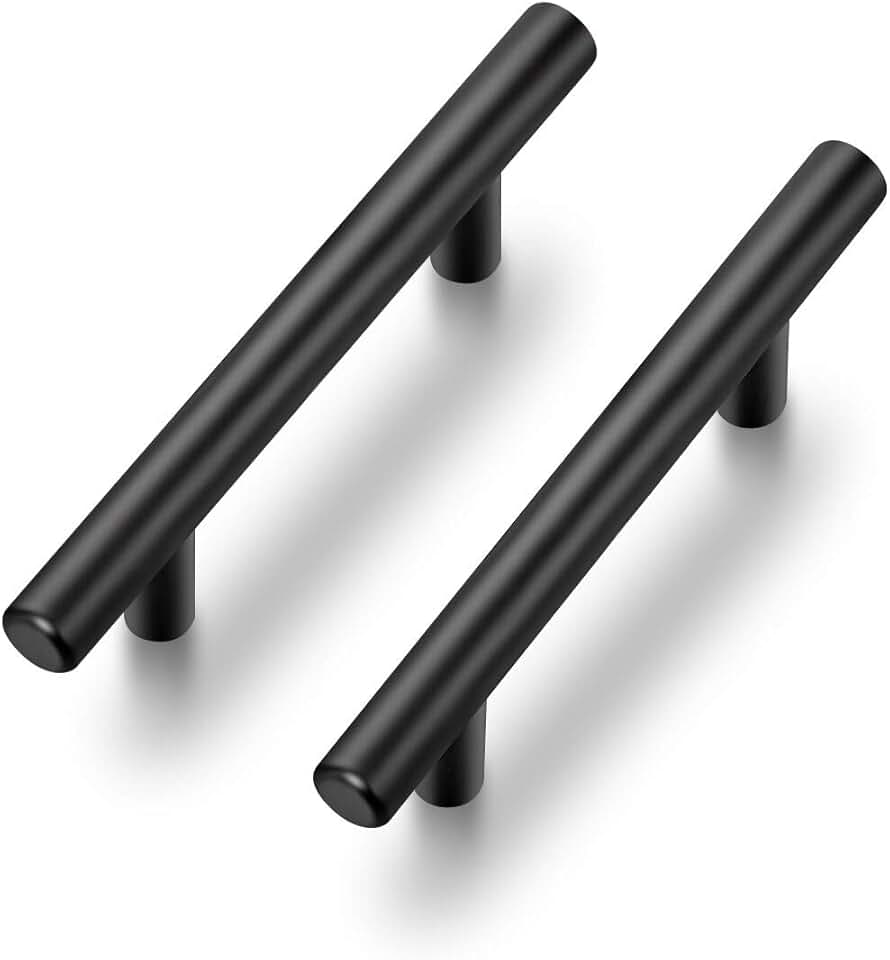
As an Amazon Associate, we may earn from qualifying purchases.
Cabinet pulls: what to check next
Choosing the right hardware involves more than just picking a finish. It requires balancing proportion, current design shifts, and brand reliability to ensure your kitchen or bath update holds up over time.
What is the 1/3 rule for cabinet pulls?
The 1/3 rule is a standard proportion guideline for drawer pulls. For a drawer that is 24 inches wide, the pull should be approximately 8 inches long (one-third of the width). This creates a balanced visual weight. For narrower drawers or doors, shorter pulls like 3 to 5 inches work better to avoid overwhelming the surface area.
What cabinet pulls are in style now?
Current trends favor clean lines and tactile finishes. Matte black and brushed brass remain popular for their contrast against light cabinetry. However, there is a strong shift toward "warm neutrals" like satin nickel and oil-rubbed bronze, which hide fingerprints better than high-gloss chrome. Minimalist bar pulls are replacing ornate knobs in modern kitchens.
What cabinet pulls are in style in 2026?
For 2026, the focus is on textured materials and sustainable metals. Brushed gold and copper tones are trending as accents against dark green or navy cabinets. There is also a rise in integrated handles—where the pull is built into the cabinet frame itself—creating a seamless, handle-less look that emphasizes clean geometry.
What are the best brands of cabinet handles?
Top Knobs and Amerock are widely regarded as industry leaders for durability and variety. Top Knobs offers premium, intricate designs, while Amerock provides reliable, budget-friendly options with consistent finishes. For a mid-range option with modern aesthetics, Hickory Hardware is a solid choice known for its extensive finish library.
No comments yet. Be the first to share your thoughts!