
The Shift in Hardware: 2024-2026 Trends
Cabinet hardware is changing. For years, the default was a perfectly matched set – same finish, same style, across every cabinet and drawer. That's changing quickly, with a move towards more personalized, eclectic approaches to kitchen and bathroom design.
Social media drives this shift. Platforms like Pinterest and Instagram show kitchens that mix and match hardware finishes and styles. People are showcasing their individuality through details like pulls and knobs. It's less about following strict rules and more about creating a space that reflects personal taste.
Supply chains have stabilized since the disruptions of the past few years, making it easier to source individual pieces and experiment with combinations. The pandemic spurred a wave of home renovation, and people emerged from that period wanting their homes to feel truly them – not like a catalog spread.
A broader cultural trend rejects overly polished, cookie-cutter aesthetics. People want character and warmth in their spaces, and thoughtfully chosen hardware contributes to that. It's about creating a lived-in, curated look rather than striving for showroom perfection.
What Designers Are Saying: Matching Sets
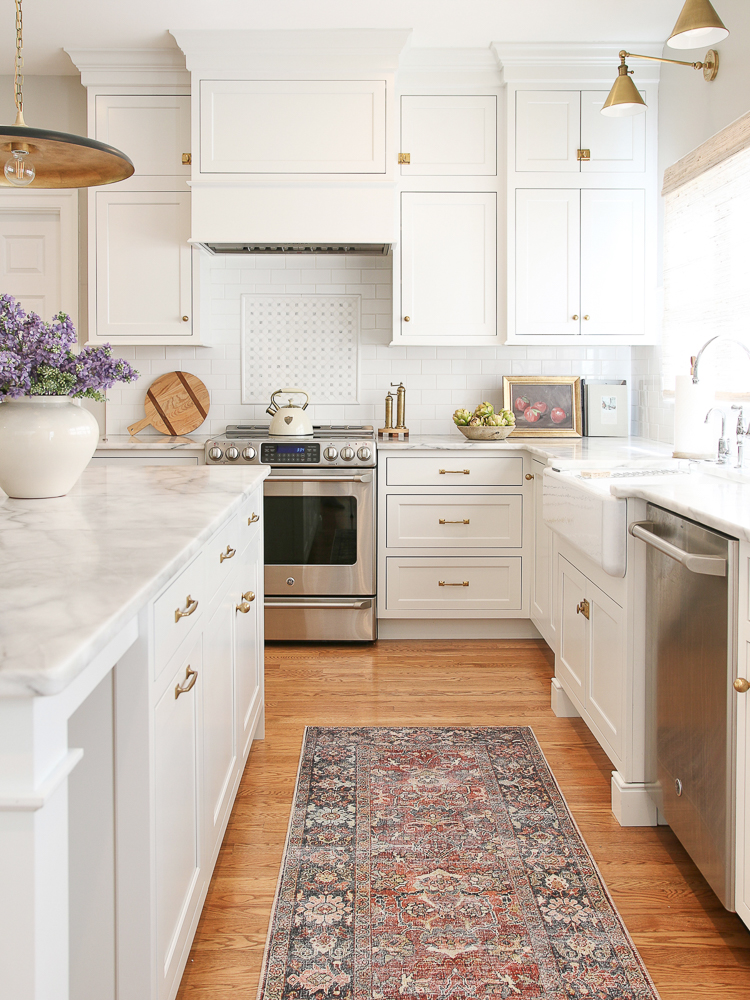
Despite the popularity of mix-and-match, matching cabinet hardware still appeals, particularly for certain design styles. Interior designers agree that a cohesive look isn't going anywhere.
Sarah Jameson, of Jameson Interiors in Chicago, says, “For traditional kitchens, or those aiming for a classic, timeless aesthetic, matching hardware is still the way to go. It creates a sense of harmony and sophistication that's hard to achieve with a mismatched approach.” She also notes that specifying a single set simplifies the process for clients.
David Chen of Chen Design in Los Angeles points out potential cost savings. “Often, you can get a bulk discount when purchasing a complete hardware set. For clients on a tighter budget, that's a significant factor.” He also adds that matching hardware is especially effective in smaller kitchens where visual clutter should be minimized.
Maria Rodriguez, based in Miami, emphasizes ease of specification. “With a matching set, there are fewer decisions. It streamlines the design process and reduces the risk of errors. This is valuable for larger projects where coordinating multiple elements is crucial.” She also finds it’s a safer bet for resale value, as it appeals to a broader range of buyers.
Lisa Evans, a designer specializing in farmhouse style, shares, “In a farmhouse kitchen, matching hardware reinforces rustic simplicity. It's about creating a warm, inviting space, and a unified hardware scheme contributes to that feeling.”
The Rise of the Mix: Designer Perspectives
Mixing cabinet hardware isn't just a fleeting fad; it's a deliberate design choice embraced by professionals. Designers recognize the potential to create kitchens that are more interesting and personalized than those with uniform hardware.
Sarah Jameson, while advocating for matching in some cases, also says, “I’m using mixed hardware more and more, especially in transitional kitchens. It’s a great way to add personality and prevent the space from feeling too sterile.” She suggests using different finishes on upper and lower cabinets to create visual depth.
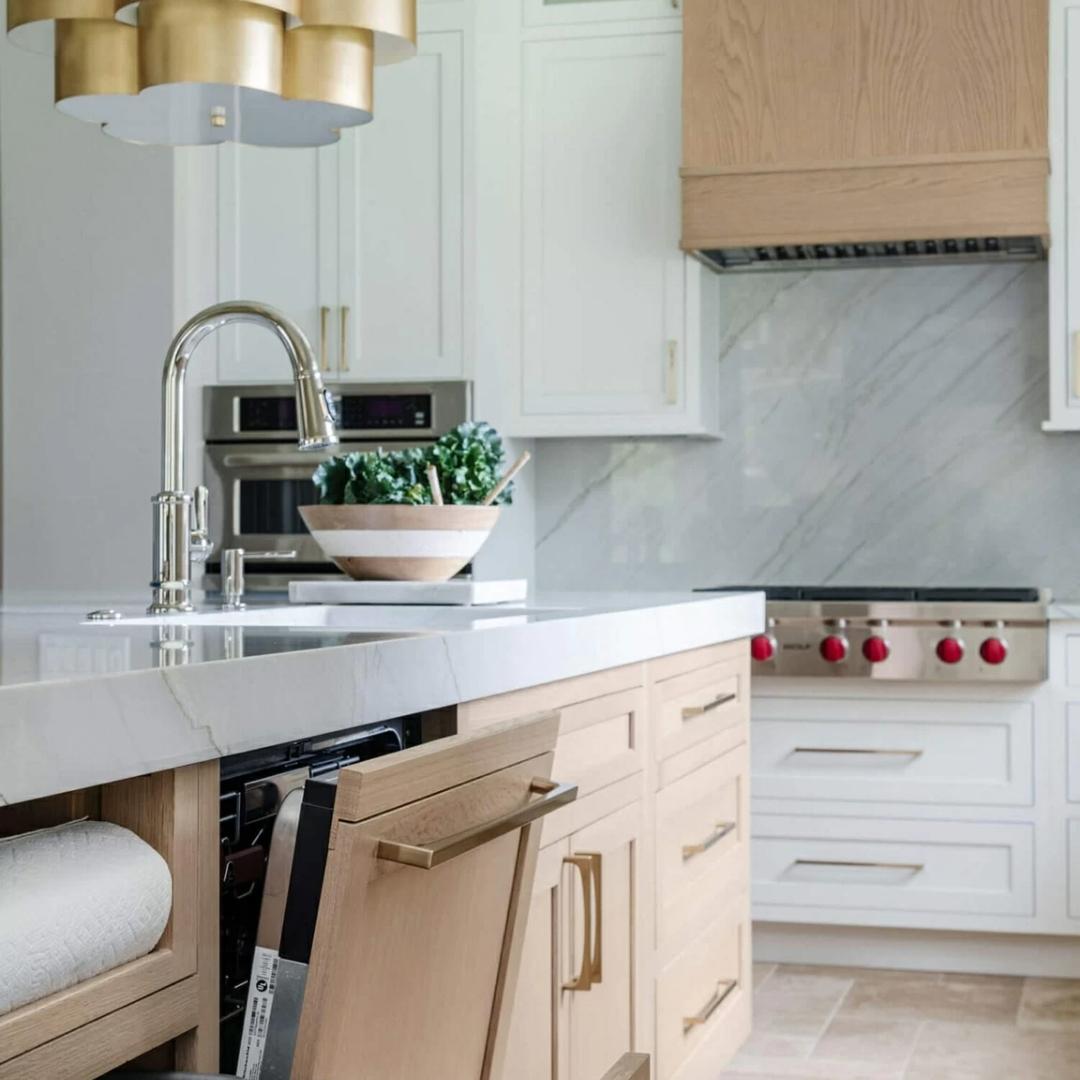
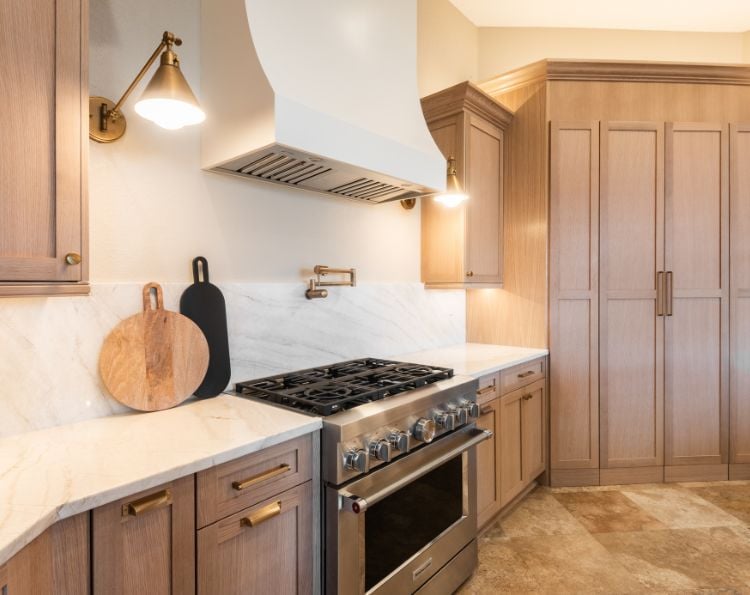
David Chen explains his approach: “I often use cup pulls on lower cabinets for a more substantial feel and knobs on uppers for a lighter touch. It's about balancing form and function. I’ll also sometimes use a different finish on the island hardware to define it as a focal point.” He showed a recent project where he paired brushed brass pulls with matte black knobs, and it looked fantastic.
Maria Rodriguez highlights zoning potential. “Using different hardware can help define zones within a kitchen. For example, you might use a more ornate pull on pantry doors to distinguish them from cabinet doors.” She also notes that mixing finishes can tie in with other metallic accents in the space.
Lisa Evans emphasizes intentionality. “It’s not about randomly throwing together whatever you like. It’s about carefully considering the overall design scheme and choosing hardware that complements it. I often start with a dominant finish and then add a contrasting accent.” Examples of these combinations can be found on sites like The Knob Shop, which offers a huge selection of individual pieces.
Kraftmaid shows examples of mixed hardware on its website, demonstrating how to create a cohesive look with different styles. The key is to maintain consistent scale and proportion, even when mixing finishes. A small knob paired with a large pull will look unbalanced.
Hardware Styles That Play Well Together
Mixing cabinet hardware successfully requires understanding which styles complement each other. Here are a few pairings that deliver a sophisticated look.
Brass & Black: This classic combination works well in modern and traditional kitchens. The warmth of brass contrasts beautifully with the boldness of black. This pairing suits Shaker-style cabinets well, adding elegance without feeling overly fussy.
Nickel & Wood: This pairing creates a natural, organic feel. The cool tones of nickel complement the warmth of wood, resulting in a balanced and inviting look. This works beautifully in farmhouse or Scandinavian-inspired kitchens.
Leather & Metal: This is an unexpected combination, but it can be striking. The texture of leather adds a unique element to the design, while the metal provides structure and sophistication. This pairing is best suited for modern or industrial-style kitchens.
Consistency in scale is crucial. Don't pair a tiny knob with an oversized pull. Maintain similar size and proportion across all hardware pieces, even when mixing finishes. This creates visual harmony.
Hardware Style Pairings: A Designer's Guide
| Style 1 | Style 2 | Cabinet Style Suitability | Difficulty Level | Overall Rating (1-5 stars) |
|---|---|---|---|---|
| Brass | Black | Transitional, Farmhouse | Medium | 4 stars |
| Polished Nickel | Wood | Traditional, Transitional | Easy | 4.5 stars |
| Matte Black | Stainless Steel | Modern, Transitional | Medium | 3.5 stars |
| Oil Rubbed Bronze | Antique Brass | Traditional, Farmhouse | Easy | 4 stars |
| Satin Brass | White Ceramic | Modern, Transitional | Medium | 3.8 stars |
| Chrome | Glass | Modern | Hard | 3 stars |
| Black Iron | Leather | Farmhouse, Transitional | Easy | 4.2 stars |
Illustrative comparison based on the article research brief. Verify current pricing, limits, and product details in the official docs before relying on it.
Complete Sets vs. Building Your Own
Sourcing cabinet hardware has two main options: purchasing complete sets or building your own. Each approach has advantages and disadvantages.
Complete sets are generally more affordable upfront and offer the convenience of having everything you need in one package. However, they lack
Building your own allows for complete customization. You can choose exactly the hardware you want, creating a truly unique look. However, it requires more time and effort, as you'll need to source each piece individually and ensure they coordinate well. It also opens the possibility of backorders and coordinating multiple shipments.
Lead times can also vary significantly. Complete sets are typically in stock and ready to ship, while individual pieces may require longer processing times. If you're on a tight schedule, a complete set might be the better option. Consider the potential for delays when sourcing individual pieces.
- Complete Sets: Lower upfront cost, convenience, limited customization.
- Building Your Own: Full customization, potentially higher cost, more time and effort.
Budget Breakdown: Cost Per Cabinet
Cabinet hardware costs can add up quickly, so it’s important to have a realistic budget. Prices vary widely depending on the style, finish, and quality of the hardware.
Basic knobs can start around $3-$5 per piece, while mid-range pulls range from $8-$15 per piece. High-end designer hardware can easily exceed $20 per piece. These are just estimates, of course, and prices can fluctuate.
Let’s say you have a kitchen with 20 cabinets and drawers. Using basic knobs at $4 each would cost $80. Mid-range pulls at $12 each would cost $240. High-end designer hardware at $25 each would cost $500. That’s a significant difference.
To save money, consider using simpler hardware on less visible cabinets, such as pantry doors or utility cabinets. You can also look for sales and discounts at retailers like The Knob Shop and 99centknobs.com. Prioritizing higher-quality hardware for frequently used cabinets is a smart strategy.
Top Amazon Cabinet Hardware Sets (2026)
If you’re leaning towards the convenience of a complete set, Amazon offers a wide selection. Here are a few highly-rated options as of late 2026:
Amazon Basics Cabinet Hardware Set (Brushed Nickel): A budget-friendly option with a clean, modern look. ($45 for a 25-pack).
Homewerks Hardware 5-Inch Pulls (Oil Rubbed Bronze): Classic cup pulls perfect for farmhouse or traditional kitchens. ($60 for a 10-pack).
COSAVINE Cabinet Knobs (Matte Black): Sleek and minimalist knobs ideal for contemporary spaces. ($30 for a 20-pack).
MIADA Cabinet Pulls (Brushed Gold): Elegant pulls that add a touch of glamour to any kitchen. ($75 for a 10-pack).
BENKEA Cabinet Hardware Set (Stainless Steel): Durable and corrosion-resistant hardware suitable for high-moisture environments. ($50 for a 20-pack).
Stone & Beam Cabinet Pulls (Black): Modern and understated pulls that complement a variety of styles. ($55 for a 10-pack).
Peciva Cabinet Knobs (Chrome): Polished chrome knobs for a classic, shiny look. ($25 for a 20-pack).
FANTU Cabinet Pulls (Antique Brass): Vintage-inspired pulls with a warm, inviting finish. ($80 for a 10-pack).
Featured Products

Matte black finish for a modern look · Durable stainless steel construction · 5-inch length with 3-inch hole center
These sleek matte black pulls are perfect for creating a cohesive, modern look in kitchens and bathrooms.

Brushed nickel finish for a classic touch · Set includes 20 pulls, 5 inches overall length · Made from stainless steel with a recycled claim standard
Achieve a timeless and sophisticated feel with these versatile brushed nickel pulls, ideal for drawers and cabinets.
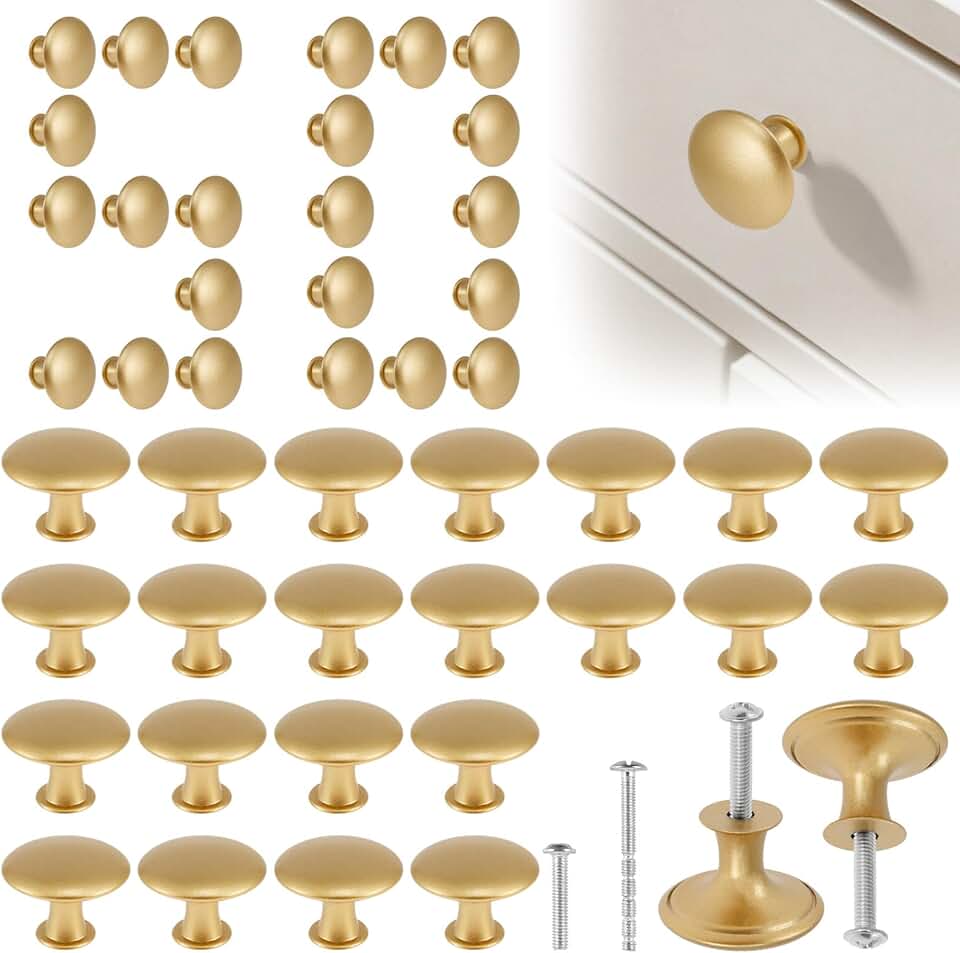
Gold finish for a touch of elegance · Bulk pack of 50 lightweight, hollow knobs · Rustproof and suitable for dressers and cabinets
Add a glamorous accent to your furniture with these affordable and stylish gold knobs, perfect for a curated mix-and-match approach.

Comprehensive set with 36 pulls and 10 knobs · Brushed satin nickel finish for a subtle sheen · Includes various sizes for different cabinet and drawer needs
This extensive set offers flexibility, allowing you to easily coordinate hardware across your entire kitchen for a unified design.
As an Amazon Associate I earn from qualifying purchases. Prices may vary.
Installation Considerations for Mixed Hardware
Installing mixed cabinet hardware requires a bit more attention to detail than installing a matching set. Accurate measurements are essential to ensure a proper fit.
You’ll need to determine the correct drill bit size and screw length for each type of hardware. Different pulls and knobs may require different sizes. It’s always best to test with a scrap piece of wood first.
Be aware that hardware from different manufacturers may have slightly different hole spacings. You may need to use a hole saw or wood filler to adjust the openings. Take your time and be careful not to damage the cabinets.
Having the right tools on hand is crucial. A good drill, screwdriver set, and measuring tape are essential. A stud finder can also be helpful for locating cabinet studs. For a detailed step-by-step guide, I recommend checking out resources like Family Handyman ().
No comments yet. Be the first to share your thoughts!