
The Rise of Health-Focused Hardware
The concept of antimicrobial surfaces isn’t new, but its application to everyday kitchen hardware is rapidly gaining momentum. This isn't about panicked reactions to recent events, though increased hygiene awareness certainly plays a role. Rather, it’s a confluence of factors: advancements in materials science, a growing understanding of microbial transmission, and a consumer base that’s increasingly prioritizing wellness in the home. People are thinking more deliberately about the surfaces they touch frequently, and kitchens – as a hub for food preparation – are naturally a focal point.
For years, hospitals and healthcare facilities have utilized antimicrobial materials to minimize the spread of infection. Now, that same thinking is extending into residential design. The demand isn’t necessarily for sterile environments, but for a proactive approach to reducing bacteria, viruses, and fungi in areas where they can thrive. This is about minimizing the load, making cleaning more effective, and potentially reducing the risk of illness. It’s a subtle shift, but a significant one in how we approach kitchen design.
This isn't just about kitchen cabinet hardware, though that’s where we’ll focus. The principles apply to door handles, light switches, and other high-touch surfaces. The focus on antimicrobial properties is creating a new category within the broader kitchen and bathroom hardware market. The goal here is to provide a realistic assessment of what’s available, what works, and what to consider when incorporating this technology into your home. We'll look beyond the marketing and assess the actual benefits.
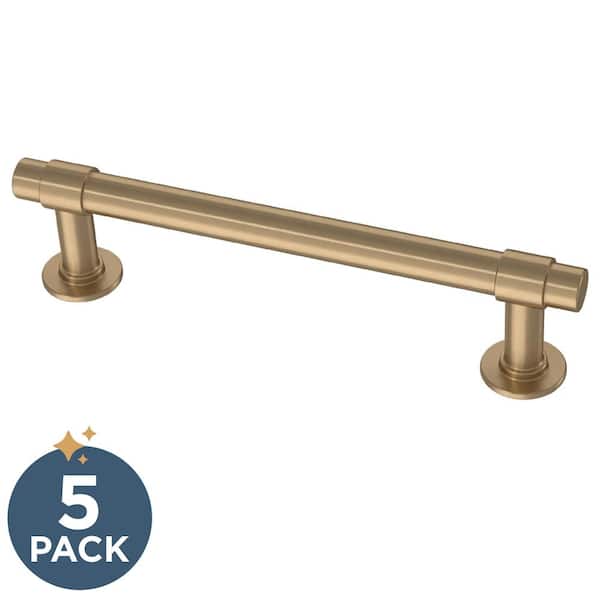
What Makes Hardware Antimicrobial?
Antimicrobial hardware achieves its effect through the incorporation of materials designed to inhibit or kill microbial growth. It’s important to understand this isn’t sterilization – these coatings don’t eliminate all microbes instantly. Instead, they create a hostile environment, reducing the population of microorganisms on the surface. The core technologies fall into a few categories: silver ion infusion, copper alloys, and antimicrobial polymers. Each operates on a slightly different principle.
Silver ions are released from the coating, disrupting the cellular processes of bacteria and fungi. This prevents them from multiplying and can even cause cell death. Copper alloys, particularly brass, possess inherent antimicrobial properties due to the toxicity of copper ions to microorganisms. The exact mechanism isn’t fully understood, but the ions interfere with metabolic processes. Antimicrobial polymers incorporate compounds that disrupt cell walls or interfere with enzymatic activity. These polymers are often blended with other materials to enhance durability and aesthetic appeal.
The range of microbes targeted varies depending on the technology. Silver ions are effective against a broad spectrum of bacteria and fungi, while copper is particularly potent against E. coli and Staphylococcus aureus. Antimicrobial polymers can be engineered to target specific pathogens. It’s crucial to remember that these coatings aren’t a substitute for proper hygiene. They supplement cleaning practices, but don’t eliminate the need for them. Regular cleaning is still essential to remove dirt and organic matter that can harbor microbes.
There are limitations. The effectiveness of these coatings can diminish over time with abrasion and wear. Environmental factors, such as humidity and exposure to certain chemicals, can also affect their performance. It’s also worth noting that some microbes can develop resistance to antimicrobial agents, although this is less common with the materials used in hardware.
- Silver Ion Infusion: Disrupts cellular processes.
- Copper Alloys: Copper ions are toxic to microorganisms.
- Antimicrobial Polymers: Disrupt cell walls or enzymatic activity.
Material Options: A Breakdown
Several materials are used to create antimicrobial cabinet hardware, each with its own set of advantages and drawbacks. Solid copper offers inherent antimicrobial properties, but its aesthetic isn’t for everyone. It develops a patina over time, which some find appealing, but others may prefer a more consistent finish. It’s also relatively soft, making it more prone to scratches and dents. Silver-infused coatings on brass or steel are a popular alternative, offering antimicrobial benefits with a wider range of aesthetic options.
The durability of silver-infused coatings is a key consideration. The coating itself can wear off over time, reducing its effectiveness. The quality of the base metal and the application process significantly impact longevity. Antimicrobial plastics, often incorporating polymers with antimicrobial agents, are another option. They’re generally the most affordable, but may not have the same premium feel as metal hardware. Their long-term durability and resistance to staining are also concerns.
Cost varies significantly. Solid copper is typically the most expensive, followed by silver-infused brass or steel. Antimicrobial plastics are the most budget-friendly. The best material for a specific application depends on several factors: budget, aesthetic preferences, and the level of moisture exposure. High-moisture areas, such as near sinks, may benefit from solid copper or a robust silver-infused coating.
- Solid Copper: Inherent antimicrobial properties, develops patina, relatively soft.
- Silver-Infused Coatings: Antimicrobial benefits with wider aesthetic options, coating can wear off.
- Antimicrobial Plastics: Most affordable, may lack premium feel, durability concerns.
Antimicrobial Hardware Material Comparison - 2024 Analysis
| Material | Cost | Durability | Aesthetic Versatility | Antimicrobial Effectiveness | Maintenance |
|---|---|---|---|---|---|
| Copper | High | Good | Moderate | High | Moderate |
| Silver-Infused Brass | High | Excellent | Wide | Medium | Moderate |
| Antimicrobial Plastic | Low | Poor | Limited | Medium | Easy |
| Stainless Steel (with Antimicrobial Coating) | Medium | Excellent | Wide | Medium | Easy |
| Solid Brass (Uncoated) | Medium | Excellent | Wide | Low | Moderate |
Illustrative comparison based on the article research brief. Verify current pricing, limits, and product details in the official docs before relying on it.
Brands Leading the Charge
Plank Hardware and The Knob Shop are both offering antimicrobial cabinet hardware options as of late 2023. Plank Hardware, a Certified B Corp, emphasizes sustainability alongside its focus on quality hardware. They offer a range of cabinet pulls, knobs, and other hardware finished with antimicrobial coatings, though specifics regarding the coating composition aren’t prominently displayed on their website. Their product lines span various styles, from modern to traditional.
The Knob Shop also provides a selection of antimicrobial hardware, with a focus on brass and steel pulls and knobs. They highlight the use of antimicrobial coatings designed to inhibit the growth of bacteria and viruses. They appear to be offering a wider range of styles compared to Plank Hardware, with options catering to diverse kitchen aesthetics. Both brands primarily rely on antimicrobial coatings rather than solid antimicrobial materials like copper.
It’s difficult to directly compare the effectiveness of coatings between these brands without independent testing data. However, both Plank Hardware and The Knob Shop represent a growing trend towards incorporating antimicrobial technology into kitchen and bathroom hardware. Neither brand currently advertises specific certifications demonstrating the efficacy of their antimicrobial coatings, which is something consumers should keep in mind.
Installation & Maintenance Realities
Installation of antimicrobial hardware is generally the same as standard hardware. There are no special tools or techniques required. However, maintaining the antimicrobial properties requires some attention. Unlike standard hardware, you need to be mindful of the cleaning products you use. Harsh chemicals, such as bleach and abrasive cleaners, can damage the antimicrobial coating and reduce its effectiveness.
Mild soap and water are the recommended cleaning agents. Avoid using scouring pads or abrasive brushes that can wear away the coating. Regular cleaning is still essential, even with antimicrobial hardware. The coating doesn’t eliminate the need for hygiene; it simply supplements it. The longevity of the antimicrobial coating is a significant factor. Over time, with regular use and cleaning, the coating will inevitably wear down.
The rate of wear depends on the quality of the coating and the frequency of cleaning. Some manufacturers claim their coatings are designed to last for several years, but independent verification of these claims is limited. It’s important to understand that the antimicrobial properties will gradually diminish over time, requiring eventual replacement of the hardware. Keeping the surface clean and avoiding harsh chemicals will maximize the coating’s lifespan.
Cost Considerations: Is it Worth It?
Antimicrobial cabinet hardware typically carries a price premium compared to standard hardware. The exact cost difference varies depending on the material, style, and brand, but you can generally expect to pay 10-30% more for antimicrobial options. Whether this premium is justified is a subjective question. The long-term value lies in the potential health benefits and reduced cleaning frequency.
Quantifying the health benefits is difficult. It’s impossible to say definitively whether antimicrobial hardware will prevent illness. However, reducing the microbial load in the kitchen can contribute to a healthier environment. The cost of replacing hardware is relatively low compared to the cost of potential illness or medical treatment. It’s a small investment that could potentially offer peace of mind.
Ultimately, the decision comes down to individual priorities and budget. If you’re particularly concerned about hygiene or have family members with compromised immune systems, the added cost may be worthwhile. If you’re on a tight budget, standard hardware remains a perfectly viable option, provided you maintain good cleaning practices. Consider it a layer of protection, not a guaranteed solution.
Design Trends & Aesthetics
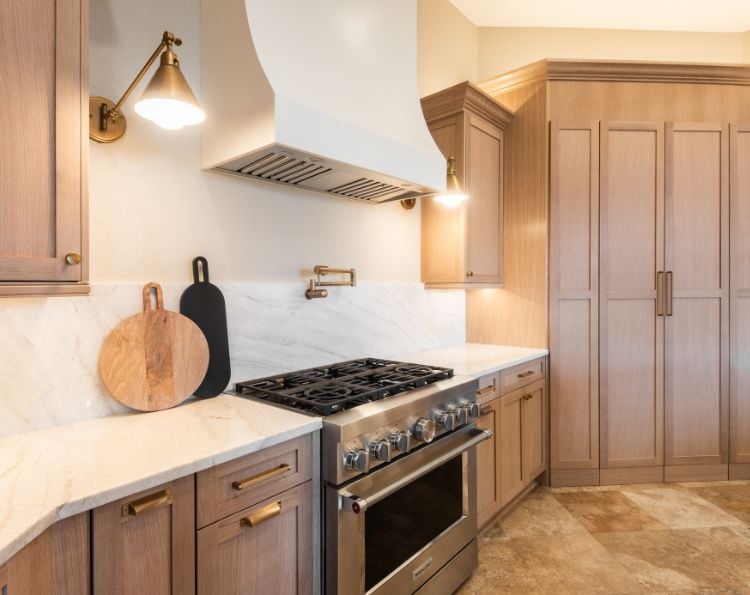
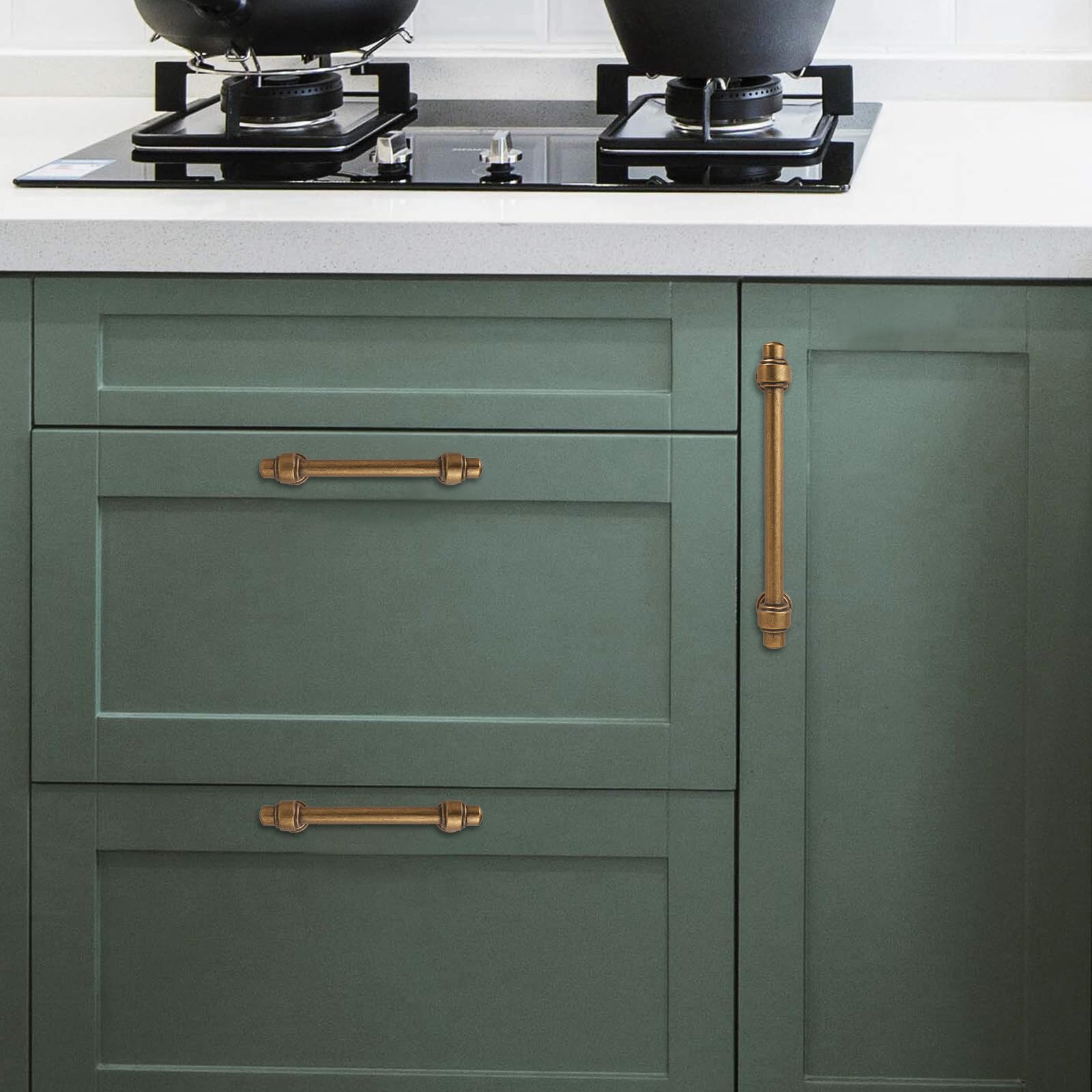
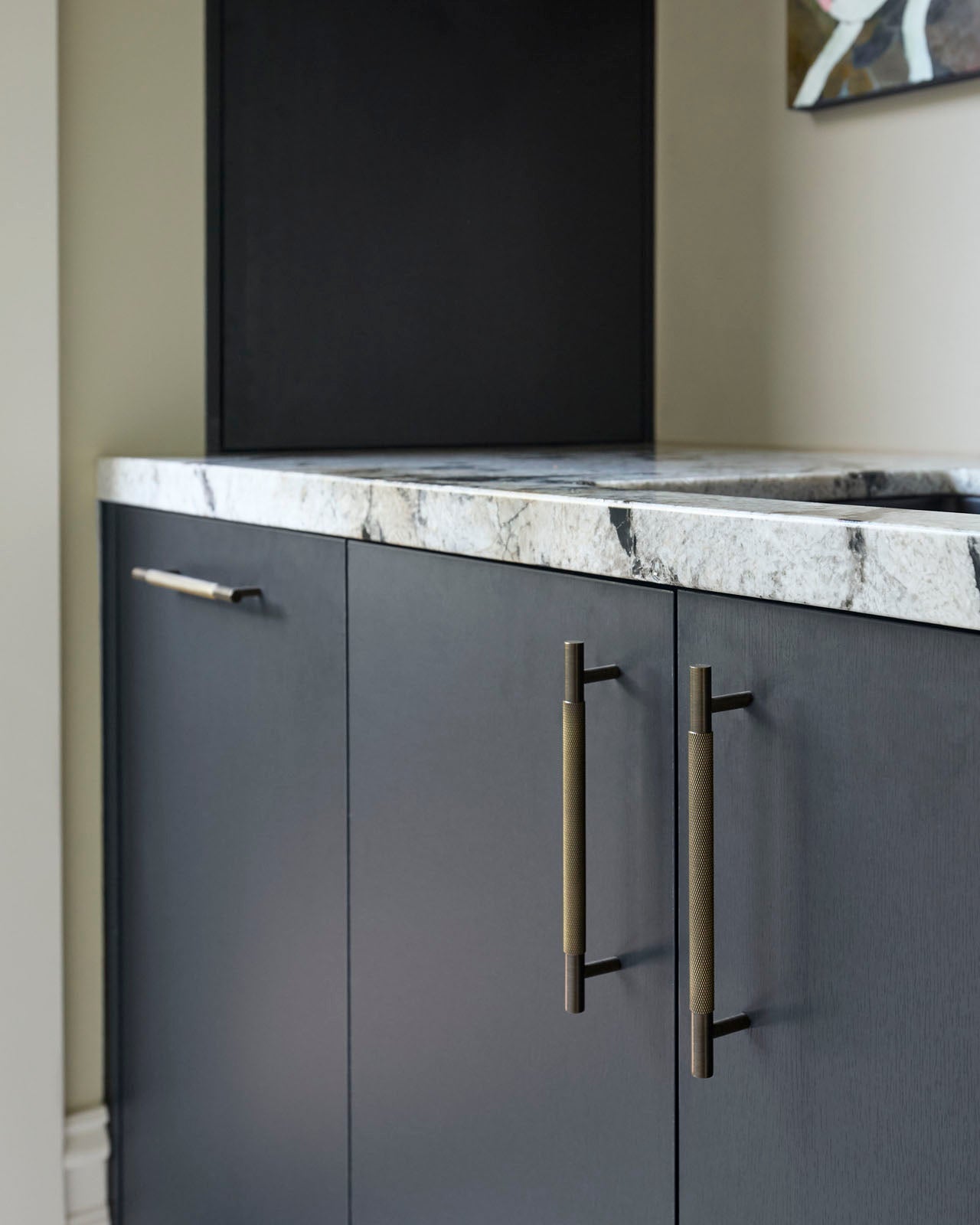
Fortunately, antimicrobial hardware doesn't mean sacrificing style. Current design trends lean towards minimalist designs and clean lines, which integrate well with antimicrobial options. Brushed nickel and matte black finishes are particularly popular, and both are readily available with antimicrobial coatings. These finishes complement a wide range of kitchen aesthetics, from modern farmhouse to contemporary.
The key is to choose hardware that complements your overall kitchen design. Antimicrobial hardware is available in a variety of styles, including knobs, pulls, and handles, so you can find options that match your existing décor. There’s a growing trend towards incorporating natural materials into kitchen design, and copper hardware can fit this aesthetic while providing inherent antimicrobial benefits. It’s no longer necessary to compromise between health and style.
Many kitchen designs are incorporating mixed metals, and antimicrobial hardware can be seamlessly integrated into these schemes. For example, brushed brass antimicrobial pulls can be paired with stainless steel appliances and black accents. The availability of different finishes and styles ensures that you can create a cohesive and aesthetically pleasing kitchen while prioritizing hygiene.
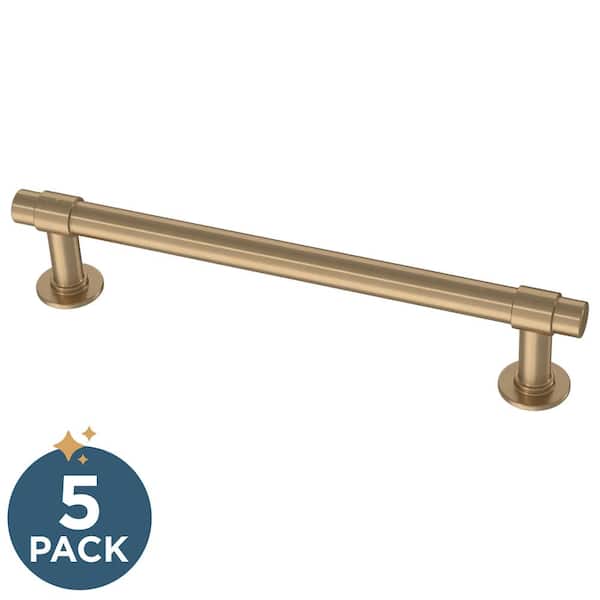
Looking Ahead: 2026 and Beyond
The future of antimicrobial hardware looks promising. As technology advances, we can expect to see more affordable and effective antimicrobial coatings. New materials are also being explored, including self-healing coatings that can repair minor scratches and maintain their antimicrobial properties for longer. Increased consumer demand will likely drive innovation and lower prices.
It’s possible that building codes may eventually start to require antimicrobial surfaces in kitchens and bathrooms, particularly in public spaces. This could further accelerate the adoption of antimicrobial hardware in residential settings. However, standardization of testing and certification for antimicrobial products is needed to ensure consistent quality and performance. The industry needs clear benchmarks to measure effectiveness.
The biggest challenge will be balancing cost with performance. Antimicrobial technology needs to become more accessible to a wider range of consumers. We can also anticipate greater integration of smart technology, such as sensors that monitor surface cleanliness and alert users when cleaning is needed. While predictions are uncertain, the trend towards health-conscious design suggests that antimicrobial hardware will become increasingly prevalent in the years to come.
- More affordable coatings: Technological advancements will lower costs.
- Self-healing coatings: Enhance durability and maintain effectiveness.
- Potential code requirements: Increased adoption in public and residential spaces.
No comments yet. Be the first to share your thoughts!