
The Rise of Coordinated Cabinet Hardware
Cabinet hardware used to be an afterthought, a functional necessity grabbed from the hardware store. Now, it's a design statement, with people increasingly opting for complete, coordinated sets.
Platforms like Pinterest and Instagram accelerated this shift, exposing us to beautifully styled spaces where every detail mattered. This sparked a desire for the same polish at home, moving beyond mere functionality to complete aesthetic.
Finding matching sets used to be a challenge, often leading to settling. Manufacturers now offer complete hardware collections, making it easier to achieve a unified look and significantly impacting kitchen and bathroom design.
Complete sets remove design guesswork, saving time and stress. A cohesive hardware scheme elevates a space, making it feel more polished and intentional.
Decoding Hardware Components: Beyond Pulls & Knobs
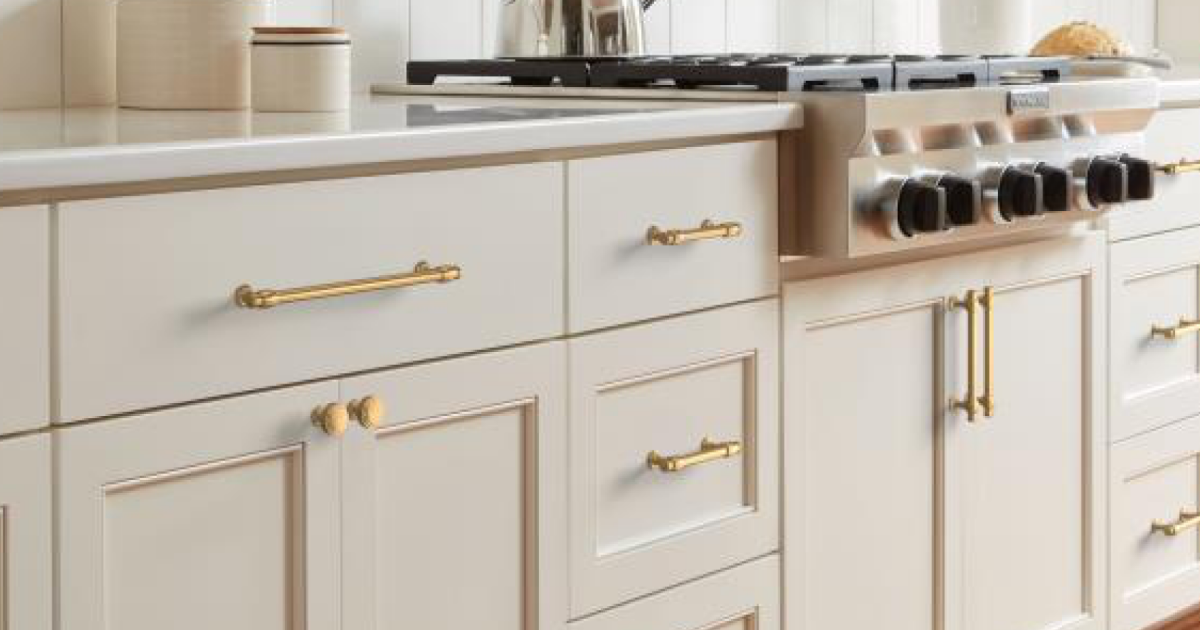
Complete cabinet hardware sets include more than just pulls and knobs. Pulls are typically used on drawers and doors needing a grip, while knobs suit smaller cabinet doors.
Backplates, decorative plates behind knobs or pulls, add mounting surface area and are common in traditional styles. Hinges are also crucial: concealed hinges hide when the cabinet is closed for a sleek look, while face-mount hinges are visible and can be a design feature.
Latches and catches secure cabinet doors. Latches have visible plates, while catches are often magnetic or spring-loaded and hidden. Decorative elements like escutcheons (plates around keyholes) or pendant pulls (long, hanging pulls) may also be present.
These components create a functional and aesthetic system. Hinges support doors, latches keep them closed, and pulls/knobs allow access. Coordination ensures a harmonious look; ignoring a component can disrupt the design.
Style Families: Finding Your Aesthetic
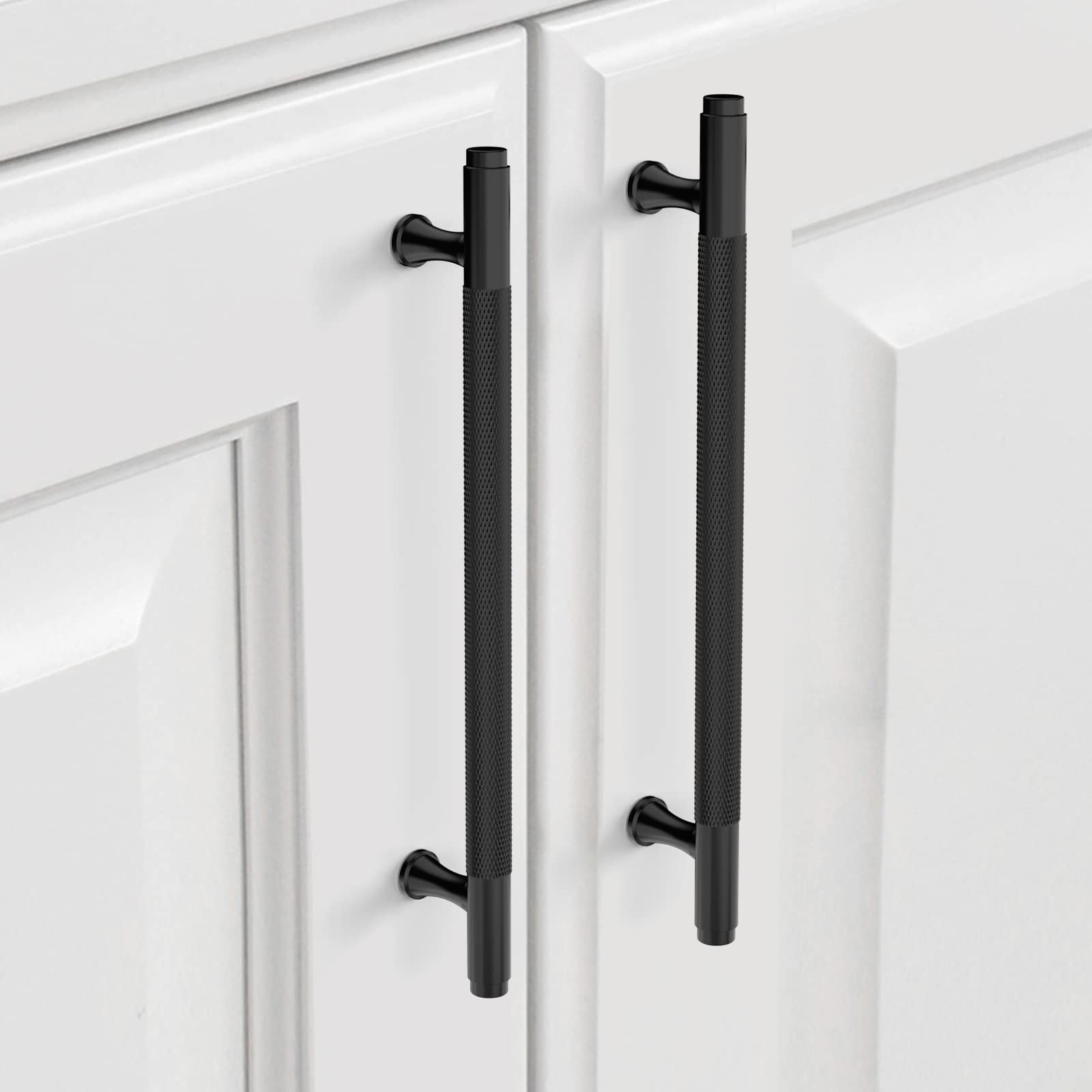
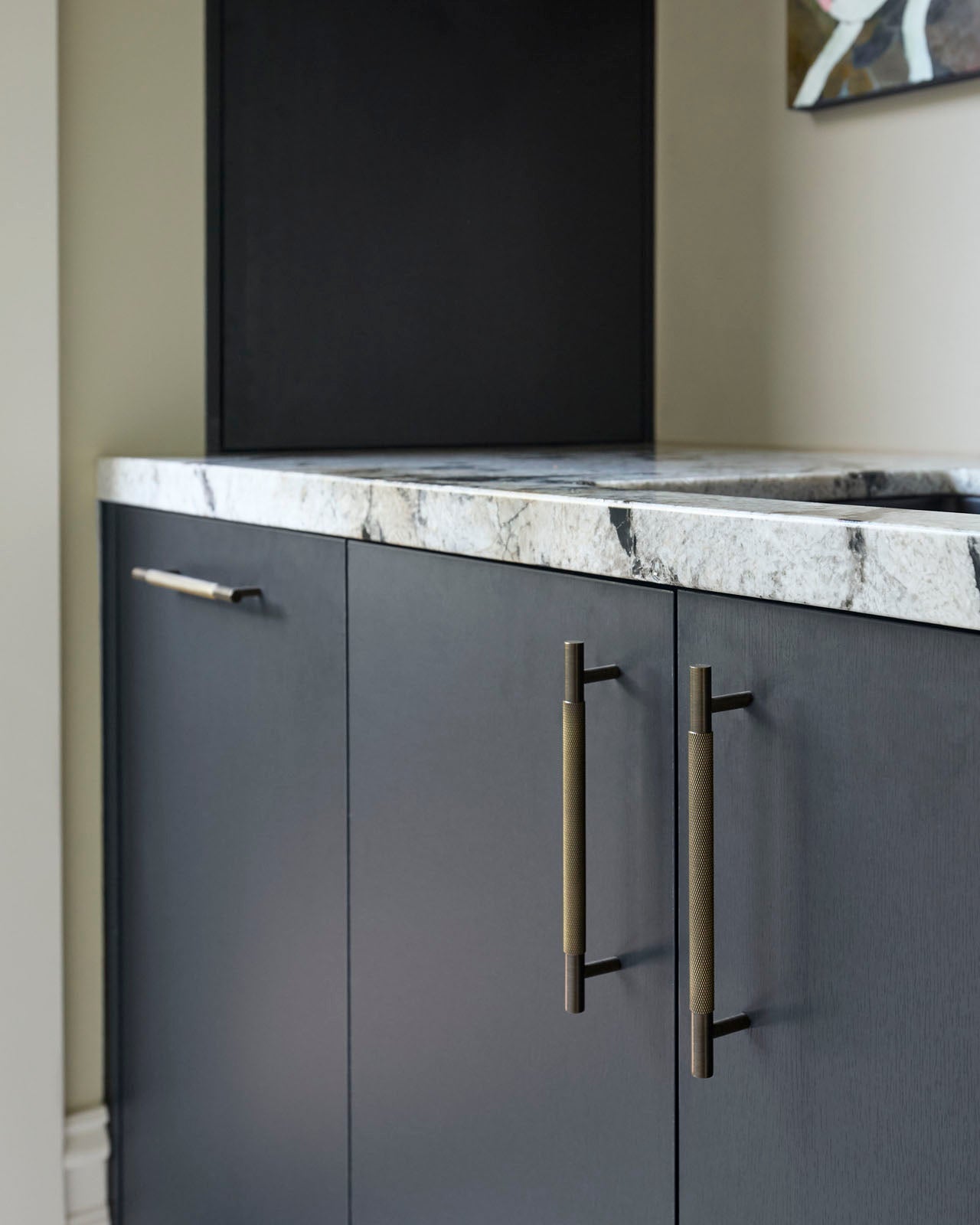
Selecting cabinet hardware involves choosing a style that complements your kitchen or bathroom aesthetic. Popular style families include modern/contemporary, with sleek, minimalist designs in finishes like stainless steel, brushed nickel, or matte black.
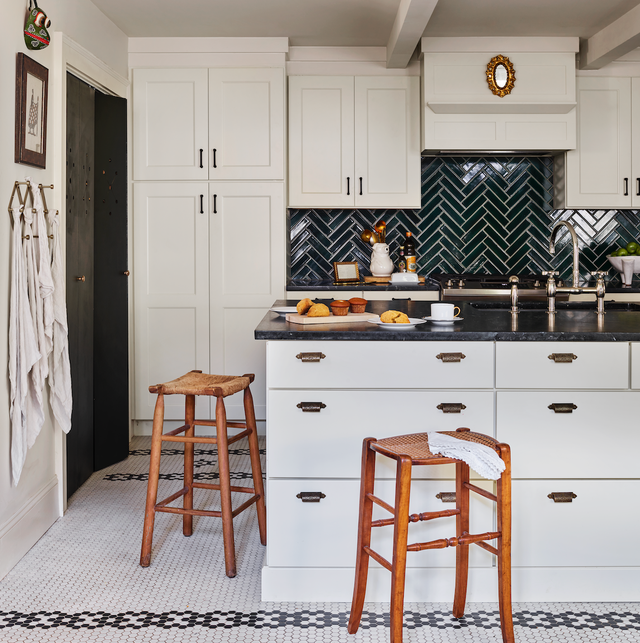
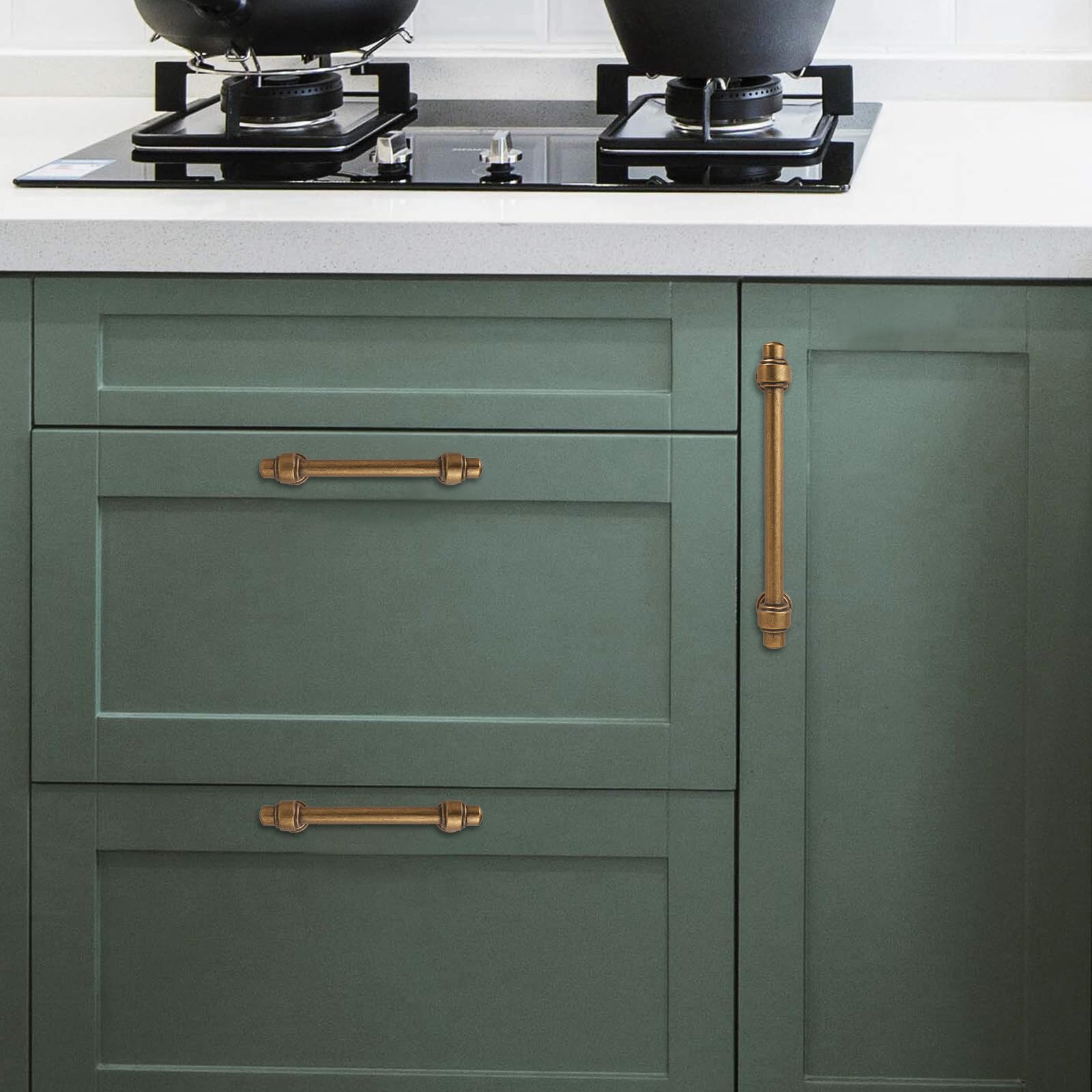
Traditional styles feature ornate details, classic shapes, and antique finishes like oil-rubbed bronze or polished brass for timeless sophistication. Farmhouse style offers warmth and rustic charm with distressed finishes and materials like wrought iron or aged bronze.
Transitional styles blend traditional and modern elements, offering versatility with clean lines and subtle details in finishes like brushed nickel or polished chrome. Industrial style embraces a raw, utilitarian aesthetic with exposed hardware and metal accents.
Your best style depends on personal preference and space design. Consider the desired feeling—sleek, warm, or elegant—to guide your choices. Mix and match styles intentionally for a cohesive look.
Materials & Finishes: Durability Meets Design
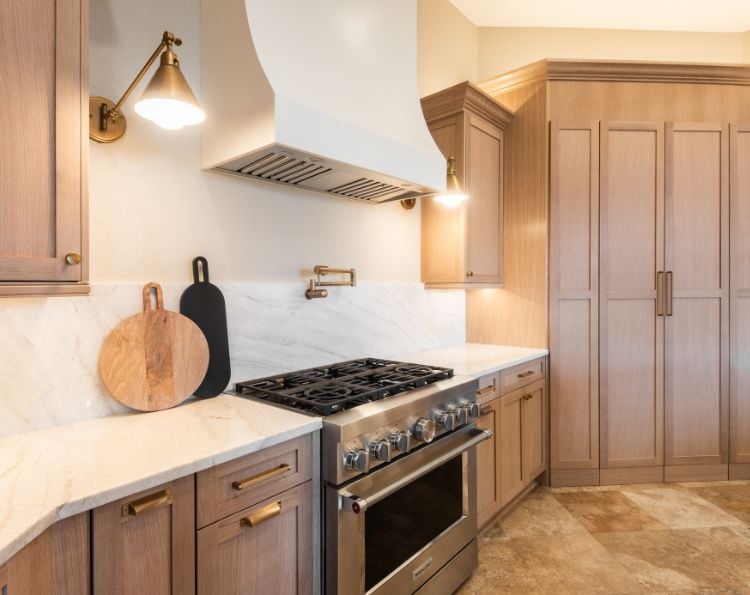
Cabinet hardware material and finish affect durability, maintenance, and cost. Brass offers durability and a warm look, plus antimicrobial properties. Stainless steel is durable and resistant to corrosion, with a modern aesthetic.
Bronze provides a rich, warm tone. Nickel is durable and affordable with a bright, silvery finish. Ceramic adds color but is fragile. Wood offers a natural look but needs maintenance. Acrylic is a contemporary choice with a sleek look and color options.
Finishes significantly impact look and feel. Polished chrome is bright and reflective, brushed nickel offers a subtle sheen, matte black is modern and understated, and oil-rubbed bronze provides a rich, antique appearance.
Consider long-term wear. Polished finishes show fingerprints and water spots more than matte. Oil-rubbed bronze may develop a patina. The best material and finish depend on budget, style, and lifestyle.
Cabinet Hardware Material Comparison - 2026
| Material | Durability | Maintenance | Corrosion Resistance | Style Versatility |
|---|---|---|---|---|
| Brass 🌟 | High | Medium | High | High |
| Stainless Steel | High | High | Very High | Medium-High |
| Bronze | Medium-High | Medium | High | Medium |
| Nickel (Polished) | Medium | Medium-High | Medium | High |
| Chrome | Medium | High | Very High | Medium |
| Black Iron | Medium-High | Low-Medium | Low-Medium | Medium |
| Oil Rubbed Bronze | Medium | Medium | Medium | Medium-High |
Illustrative comparison based on the article research brief. Verify current pricing, limits, and product details in the official docs before relying on it.
Top Complete Sets for 2026
Specific sets that stand out for 2026 include Amerock's 'Aloft' collection, offering a modern, minimalist look in brushed nickel or matte black, typically $150-$300 for a standard kitchen.
The Knob Shop's 'Blackrock' series offers a bold, industrial aesthetic, costing around $200-$350 for a medium kitchen. Hardware Resources' 'Everyday Heritage' collection provides a classic look in polished chrome or brushed nickel, typically $250-$400.
Kraftmaid offers hardware packages for their cabinets, leaning towards transitional and traditional styles, generally $300-$500.
If you're looking for something a little different, consider the 'Edona' collection from Amerock. This collection features a unique, geometric design that adds a touch of modern flair. Expect to pay around $220-$380 for a complete set. Finally, the 'Candler' collection from Amerock offers a farmhouse-inspired look with rustic pulls and knobs in oil-rubbed bronze or matte black, falling in the $160-$280 range. Remember these are approximate prices and can vary based on the number of pieces and retailer.
Installation Considerations: A Smooth Upgrade
Upgrading your cabinet hardware is a relatively straightforward DIY project, but it’s important to be prepared. You’ll need a few basic tools: a screwdriver (both Phillips and flathead), a drill (with drill bits), a measuring tape, and a pencil. First, measure the spacing between the existing holes in your cabinets. This will determine whether you can use the same hardware or if you’ll need to drill new holes.
If you’re drilling new holes, be careful to avoid hitting pipes or wires! It’s always a good idea to use a stud finder to locate studs before drilling. When aligning pulls and knobs, use a level to ensure they’re straight. Using the correct screws is also crucial. The screws that come with your new hardware may not be the right length or type for your cabinets.
Take your time and be patient. It’s better to take a little extra time to do the job right than to rush and make mistakes. If you’re unsure about any part of the process, don’t hesitate to consult a professional. A poorly installed pull or knob can look unsightly and even damage your cabinets. Remember to keep all the old hardware in a safe place – you might need it someday!
A quick word of caution: older homes can have unpredictable wiring and plumbing. If you're unsure about drilling into your cabinets, it's always best to err on the side of caution and consult a professional. It’s a small price to pay for peace of mind and to avoid potentially costly damage.
Budget Breakdown: How Much to Spend?
So, how much should you realistically expect to spend on cabinet hardware sets? It varies wildly depending on the material, finish, brand, and the size of your kitchen. For a small kitchen (10-15 cabinets), you can get away with spending $100-$250 on basic hardware. A medium-sized kitchen (15-25 cabinets) will likely cost between $250-$500, and a large kitchen (25+ cabinets) could easily exceed $500.
The material is a big cost driver. Basic plastic or zinc alloy hardware will be the cheapest, while solid brass or stainless steel will be the most expensive. Finishes also play a role. Polished finishes tend to be more expensive than matte finishes. Brand name hardware will generally cost more than generic options, but it often offers better quality and durability.
You can save money by shopping around, looking for sales, and considering DIY installation. Don’t be afraid to mix and match hardware styles to create a unique look. For example, you could use more expensive hardware on the most visible cabinets and less expensive hardware on the less visible ones. Just be sure to maintain a cohesive aesthetic.
Be honest about your budget and prioritize quality where it matters most. It’s better to spend a little more on durable hardware that will last for years than to save money on cheap hardware that will need to be replaced soon.
Where to Shop & What to Look For
There are plenty of places to shop for cabinet hardware, both online and in brick-and-mortar stores. Online retailers like The Knob Shop () and Hardware Resources () offer a huge selection and competitive prices. Big box stores like Home Depot and Lowe’s also carry a variety of hardware, but the selection may be more limited.
When evaluating the quality of hardware, pay attention to the weight. Heavier hardware generally indicates better quality materials. Check the construction to make sure it’s solid and well-made. Look for smooth, even finishes without any blemishes or imperfections. Read reviews from other customers to get an idea of the hardware’s durability and performance.
Don’t hesitate to order samples before making a large purchase. This will allow you to see the hardware in person and ensure that it matches your cabinets and décor. Always check the retailer’s return policy before buying, just in case you’re not satisfied with your purchase. A good return policy can save you a lot of headaches.
Ultimately, the best place to shop for cabinet hardware is wherever you feel comfortable and confident. Do your research, read reviews, and don’t be afraid to ask questions. With a little effort, you can find the perfect hardware to transform your kitchen or bathroom.
No comments yet. Be the first to share your thoughts!