
Beyond Stainless Steel: Why Antimicrobial Hardware is Gaining Traction
For decades, stainless steel has been the go-to finish for kitchen and bathroom hardware, prized for its durability and clean aesthetic. But a shift is underway. Consumers are increasingly focused on hygiene, and that focus extends beyond routine cleaning. The pandemic certainly accelerated this trend, but the underlying concern for minimizing germ transmission is likely here to stay.
Traditional cleaning methods – wiping down surfaces with disinfectant – are effective in the moment, but offer no lasting protection. Once the disinfectant evaporates, surfaces are again vulnerable to microbial growth. Antimicrobial cabinet hardware represents a different approach: actively inhibiting the growth of bacteria, viruses, and fungi on the surface itself. It’s about building a first line of defense, not just reacting to contamination.
This trend is gaining momentum. Industry analysts predict substantial growth in the antimicrobial surfaces market, with cabinet hardware poised to benefit from this broader demand.
Consumer searches for 'antimicrobial cabinet pulls' and 'hygienic kitchen hardware' have risen sharply since 2023, signaling a shift towards viewing homes as environments that actively support health and well-being.
#AskTOH is back!
— Ask This Old House (@AskTOH) January 3, 2023
🖌️ @MaurosPainting shows how to remove different types of wallpaper
🔌 Heath explains how different amped receptacles can cause breaker trips
🛠️ Nathan upgrades kitchen cabinet hardware
Tune in on @PBS & @TheRokuChannel!
How to watch👉 https://t.co/S8PIx0QkBU pic.twitter.com/kd4sGVBdfx
The Science Behind the Shield: How Antimicrobial Cabinet Hardware Works
The effectiveness of antimicrobial hardware hinges on the technology embedded within the material. The most common approach involves incorporating silver ions into the hardware’s finish. Silver ions disrupt the cellular processes of microorganisms, preventing them from multiplying. This isn't a simple 'killing' action; it's more about inhibiting growth and reproduction, making it harder for bacteria to colonize the surface.
Copper alloys, like brass and bronze, also possess inherent antimicrobial properties. Copper ions work similarly to silver ions, disrupting microbial function. Hardware made from these materials offers a natural level of protection, though the effectiveness can vary based on the alloy composition and environmental factors. Understand the difference between antimicrobial, antibacterial, and antiseptic. Antimicrobial refers to inhibiting a wide range of microbes, while antibacterial specifically targets bacteria and antiseptic is used to kill microbes on living tissue.
A key question is long-term effectiveness. Many antimicrobial coatings are designed to release ions gradually over time. The rate of release and the lifespan of the coating are critical factors. Manufacturers are continually refining these technologies to ensure lasting protection. However, it's realistic to acknowledge that even the best coatings will eventually diminish in effectiveness. Wear and tear from use will impact the coating over years.
This isn't a perfect solution. Antimicrobial hardware isn't a substitute for regular cleaning and disinfection. It's a complementary measure, providing an additional layer of protection. It’s about reducing the microbial load on surfaces, making them easier to keep clean and minimizing the risk of cross-contamination. It’s also vital to note that not all antimicrobial claims are created equal – look for hardware that’s been independently tested and certified to meet relevant standards.
What Styles and Finishes are Available in Antimicrobial Hardware?
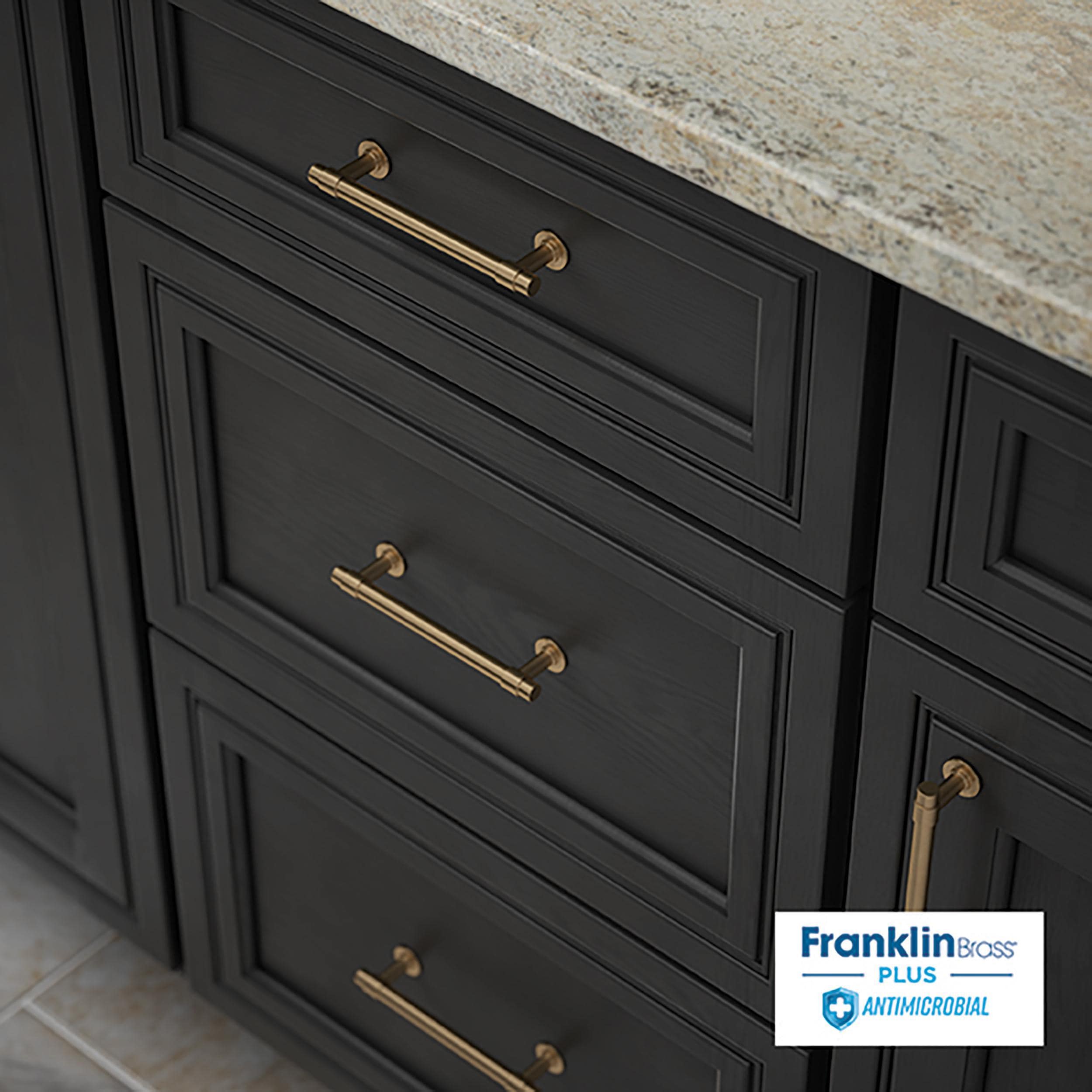
Fortunately, adopting antimicrobial technology doesn't mean sacrificing style. The range of available styles – knobs, pulls, handles, cup pulls, and appliance pulls – is expanding rapidly. You can find antimicrobial options to match almost any kitchen or bathroom design. The challenge has been integrating the antimicrobial agents without compromising the aesthetic appeal of the hardware.
Currently, the most common finishes offered are stainless steel with an antimicrobial coating, brass with inherent antimicrobial properties, and powder-coated finishes that incorporate silver ions. The Knob Shop, for example, offers a variety of stainless steel pulls with antimicrobial protection, while Plank Hardware features brass pulls and knobs that benefit from copper’s natural antimicrobial abilities.
Antimicrobial properties generally don’t significantly impact aesthetic options. The coatings are typically thin and transparent, preserving the original finish. You’ll find antimicrobial hardware available in a wide range of colors and styles, from sleek and modern to traditional and ornate. However, extremely textured finishes might slightly reduce the effectiveness of the coating, as they can create more areas for microbes to hide.
Antimicrobial hardware typically costs 10-30% more than standard options. This reflects the added cost of the antimicrobial agents and the manufacturing processes involved. However, the price difference is becoming less significant as the technology becomes more widespread and production costs decrease. This reflects a trade-off between initial cost and long-term peace of mind.
Top Antimicrobial Cabinet Hardware Sets for a Healthier Kitchen
Antimicrobial coating inhibits growth of bacteria · Durable brass construction · Classic Brookshire design with Accent lever
This Schlage knob offers robust antimicrobial protection with a timeless design, perfect for a health-conscious kitchen.
Proprietary antimicrobial technology · Solid brass construction for longevity · Elegant Estate Collection styling
For those seeking premium quality and advanced antimicrobial features, the Baldwin Reserve knob is an exceptional choice.
Microban antimicrobial protection · Modern Milan lever design · Easy installation
The Kwikset Milan knob provides accessible antimicrobial benefits with a sleek, contemporary aesthetic for modern kitchens.
Integrated antimicrobial properties · Satin Nickel finish for durability and style · Variety of lever styles available
Emtek offers a customizable antimicrobial solution with a sophisticated satin nickel finish, blending health and design seamlessly.
Built-in antimicrobial protection · Durable construction for high-traffic areas · Classic 700 Series design
The Omnia 700 Series delivers reliable antimicrobial performance in a classic design, ideal for busy, health-conscious households.
As an Amazon Associate I earn from qualifying purchases. Prices may vary.
Installation and Maintenance: Keeping Your Hardware Working
Installing antimicrobial cabinet hardware is generally no different than installing standard hardware. The same tools and techniques apply. You’ll need a screwdriver, a drill (for new holes), and potentially a template to ensure proper alignment. There aren't any special installation considerations specific to the antimicrobial properties.
However, maintenance is where you need to be mindful. Harsh cleaning chemicals – especially those containing bleach or ammonia – can potentially damage the antimicrobial coating. These chemicals can corrode the coating or interfere with the release of ions. It’s best to stick to mild soap and water for routine cleaning. Avoid abrasive cleaners that could scratch the surface.
Repeated cleaning can diminish the antimicrobial effect. While gentle cleaning won’t typically harm the coating, excessive scrubbing or the use of harsh chemicals can accelerate its degradation. The key is to clean regularly with mild products, rather than resorting to aggressive cleaning methods less frequently. Refer to the manufacturer's instructions for specific cleaning recommendations.
For a step-by-step guide to installing cabinet pulls, a helpful resource is the guide on The Spruce: https://www.thespruce.com/how-to-install-cabinet-pulls-1398241. Remember to prioritize gentle cleaning practices to preserve the integrity of the antimicrobial coating and maximize its effectiveness.
Cost Breakdown: How Much More Do You Pay for Peace of Mind?
Consider the numbers. A standard stainless steel cabinet pull, roughly 6 inches long, might cost around $5-$8. An equivalent antimicrobial stainless steel pull could range from $7-$10. For a kitchen with 20 cabinet pulls, that’s an additional $40-$60. While seemingly small, this adds up quickly.
The price difference widens with more premium materials and finishes. A brass cup pull without antimicrobial properties might be $12-$15, while an antimicrobial brass version could be $18-$22. The cost per pull/knob is heavily influenced by the material, finish, style, and brand. Bulk discounts are often available, particularly for larger projects.
Consider the long-term value. The added cost of antimicrobial hardware might be justified by the reduced need for harsh cleaning chemicals, the potential for improved hygiene, and the peace of mind it offers. It's an investment in a healthier home environment. However, it’s crucial to weigh these benefits against your budget and priorities.
Ultimately, the decision is a personal one. If you're particularly concerned about hygiene or have family members with compromised immune systems, the added cost of antimicrobial hardware might be well worth it. If you're on a tight budget, standard hardware combined with diligent cleaning practices remains a viable option. Carefully assess your needs and circumstances before making a decision.
Major Technology Stocks Price Comparison
Current market data as of December 2024
| Asset | Current Price | 24h | 7d | 30d | Market Cap |
|---|---|---|---|---|---|
| Apple Inc. AAPL | $195.89 | +1.2% | +3.4% | +8.7% | $2.98T |
| Microsoft Corporation MSFT | $415.26 | -0.8% | +2.1% | +5.3% | $3.09T |
| Alphabet Inc. GOOGL | $168.45 | +0.5% | -1.2% | +11.8% | $2.07T |
| Amazon.com Inc. AMZN | $178.32 | +1.7% | +4.2% | +15.6% | $1.86T |
| Tesla Inc. TSLA | $248.98 | -2.3% | +1.8% | +38.7% | $794.2B |
| NVIDIA Corporation NVDA | $132.65 | +0.9% | +2.7% | +7.4% | $3.26T |
Analysis Summary
The mega-cap technology sector shows mixed performance with NVIDIA leading by market capitalization at $3.26T, followed closely by Microsoft at $3.09T. Tesla demonstrates the highest 30-day volatility with +38.7% gains, while traditional tech giants maintain steady growth patterns.
Key Insights
- NVIDIA maintains the largest market cap despite recent AI sector consolidation
- Tesla shows exceptional monthly performance with nearly 40% gains amid renewed EV optimism
- Microsoft and Apple remain closely matched in valuation, representing mature tech leadership
- Amazon demonstrates strong recovery momentum with consistent positive performance across all timeframes
Prices reflect real-time market data from major exchanges. Market capitalizations calculated using outstanding shares and current trading prices.
Disclaimer: Stock prices are highly volatile and subject to market fluctuations. Data is for informational purposes only and should not be considered investment advice. Always do your own research before making investment decisions.
No comments yet. Be the first to share your thoughts!