
The shift toward warm metals
Kitchen design is undergoing a significant shift. For years, stainless steel and cool gray tones dominated, but we’re now seeing a strong move towards warmer metal finishes, particularly brass and gold. This isn’t a sudden change, but a gradual build-up fueled by a desire for more inviting and characterful spaces. People are actively rejecting the sterile feel of all-stainless kitchens.
The resurgence of vintage aesthetics plays a large role. Mid-century modern and art deco styles, both of which prominently feature brass, are incredibly popular. This isn’t simply replicating those eras, but incorporating the warmth and richness of brass into contemporary designs. Think less "grandma’s kitchen" and more refined, intentional warmth.
It’s also a reaction to the minimalist trends of the past decade. After years of decluttering and simplifying, homeowners are looking to add personality and visual interest. Brass and gold, with their inherent luminosity and tactile appeal, provide that without feeling overly ostentatious. It’s about creating a kitchen that feels lived-in and welcoming, not like a showroom.
Manufacturers often use these terms interchangeably, but there is a real difference. In my experience, 'gold' hardware is usually a PVD coating over a cheaper base metal like zinc. Solid brass is exactly what it says. This matters because a coating can chip, while solid brass just ages.
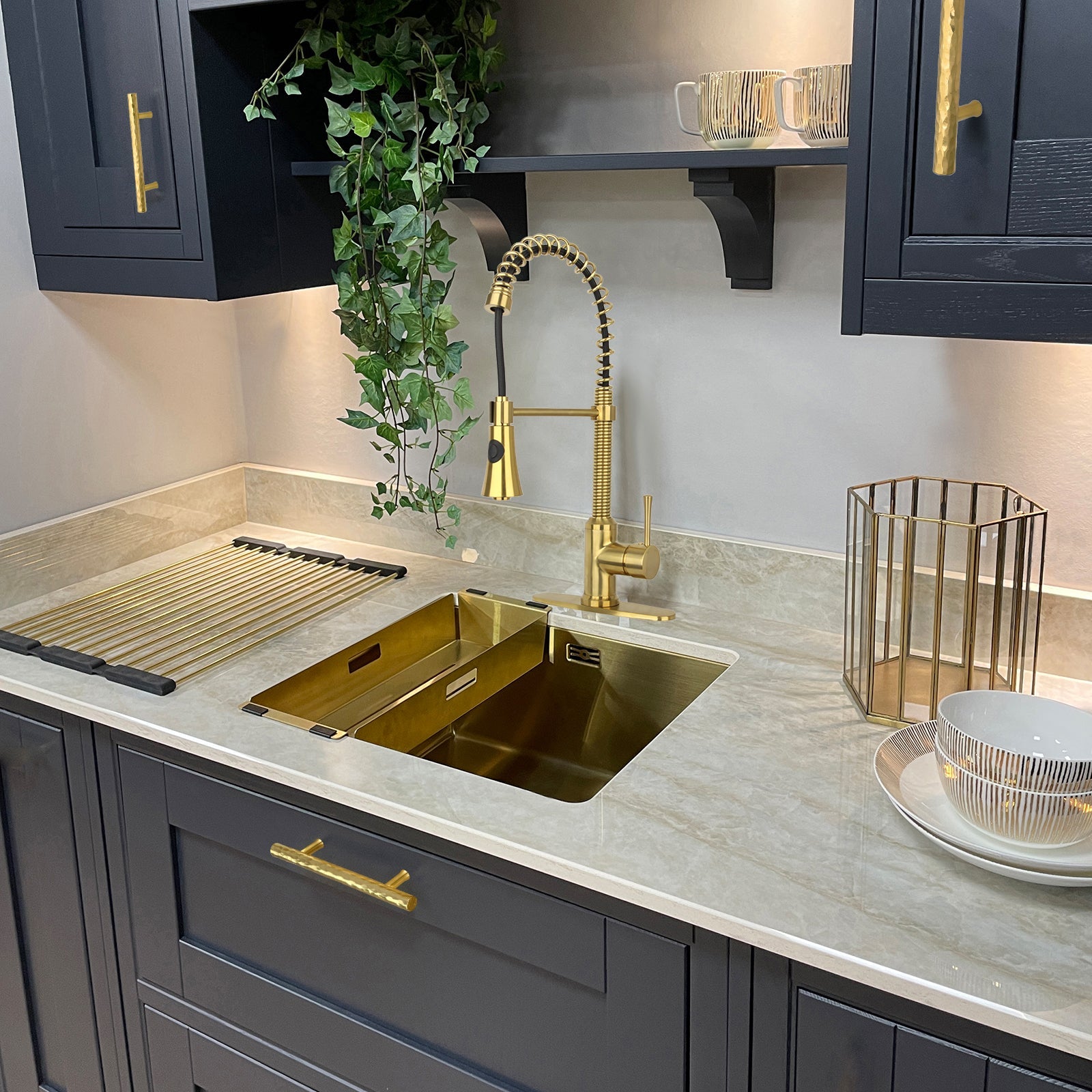
What brass and gold actually are
Solid brass is an alloy of copper and zinc. Most high-quality pulls are about 60% copper. If you see a pull that looks reddish, it has a higher copper content. Paler, yellow hardware has more zinc. Even 'solid' pieces often have traces of aluminum for strength.
"Brass alloys" encompass a wider range of compositions, altering the color, strength, and corrosion resistance. Naval brass, for instance, contains tin, making it more resistant to saltwater corrosion. Architectural brass, often used in door hardware, prioritizes durability and machinability, sometimes at the expense of pure brass content.
"Gold" finishes are almost always applied coatings. Physical Vapor Deposition (PVD) is the most common method. This process involves depositing a thin layer of gold-colored material onto a base metal – zinc alloy is frequently used because of its lower cost. The quality of the PVD coating directly impacts its durability and resistance to wear.
The differences in durability are substantial. Solid brass, while it will tarnish over time, is incredibly durable and can last for generations. PVD coatings, while improving in quality, are still susceptible to scratching and wear, potentially revealing the base metal underneath. Cost reflects this; solid brass is significantly more expensive than PVD-coated alternatives.
Brass: A Spectrum of Shades
Brass isn’t a single color. It exists on a spectrum, offering a surprising amount of versatility. Antique brass features a darkened, aged appearance, often achieved through chemical patinas. It’s ideal for farmhouse, traditional, and rustic kitchens, lending a sense of history and character.
Polished brass is bright, shiny, and reflective. It leans towards more glamorous and traditional aesthetics, though it can also work in transitional kitchens when balanced with other materials. It requires more maintenance to keep its shine but makes a bold statement.
Satin brass offers a softer, more muted sheen. It's a great middle ground, providing the warmth of brass without being overly flashy. It pairs well with a wide range of kitchen styles, from modern to transitional.
Oil-rubbed bronze, while technically a darkened brass finish, often falls into the brass category. It’s very popular for its rich, deep color and is well-suited to traditional and craftsman-style kitchens. Tradition Hardware offers a good selection illustrating these variations.
- Antique brass works best in farmhouse or rustic kitchens where you want a sense of history.
- Polished Brass: Glamorous, Traditional, Transitional
- Satin Brass: Modern, Transitional
- Oil-Rubbed Bronze: Traditional, Craftsman
Featured Products

Satin Nickel finish · 3-inch hole center · Part of the Crest Collection
This satin nickel pull offers a classic design element that complements various kitchen styles, providing a durable and aesthetically pleasing option for drawer hardware.
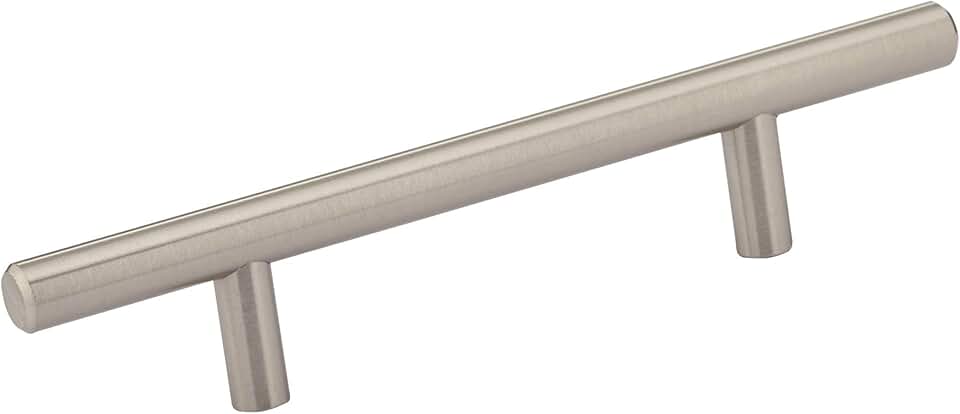
Brushed Nickel finish · 3 3/4-inch (96 mm) center-to-center measurement · Modern bar pull design
The brushed nickel finish and modern bar pull design of this Richelieu Hardware piece provide a sleek, contemporary look suitable for updated kitchen cabinetry.
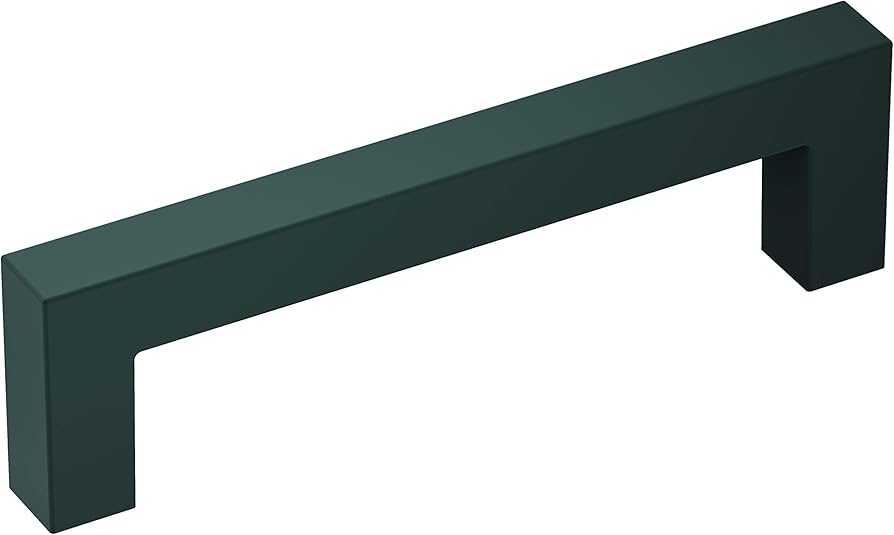
Satin Nickel finish · 5-1/16 inch (128 mm) center-to-center measurement · Bar pull style
The Top Knobs Newburn bar pull in satin nickel offers a substantial and clean-lined design, ideal for creating a sophisticated and modern kitchen hardware statement.
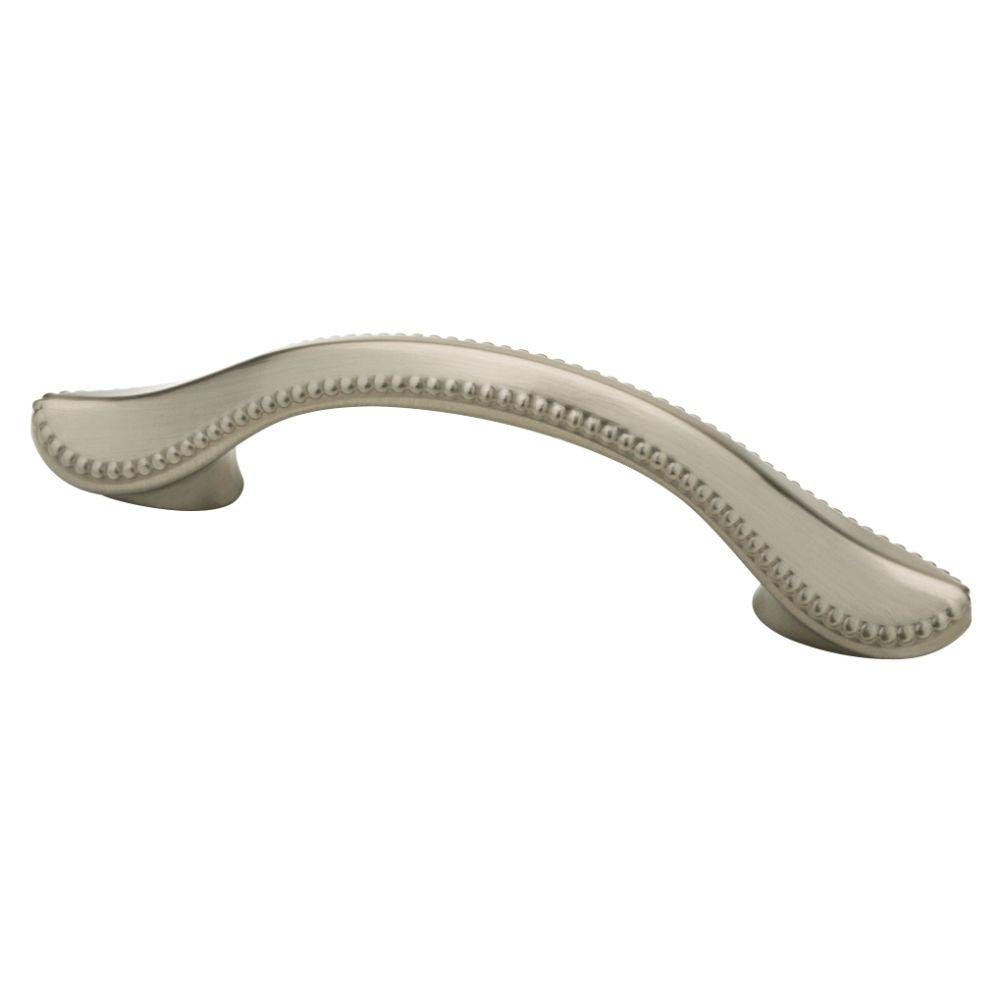
This selection of high-quality brass drawer pulls offers a range of styles and finishes to help readers achieve a sophisticated and luxurious kitchen aesthetic, directly addressing the article's focus on premium hardware.
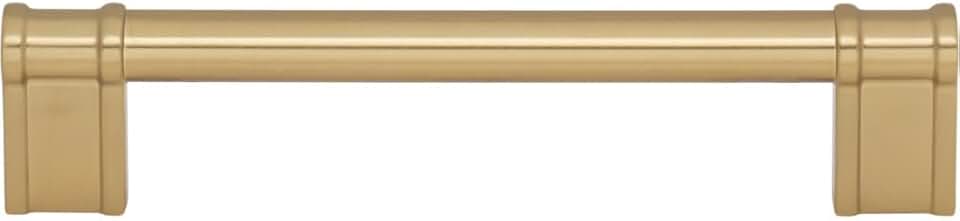
This selection of high-quality brass drawer pulls offers a range of styles and finishes to help readers achieve a sophisticated and luxurious kitchen aesthetic, directly addressing the article's focus on premium hardware.
As an Amazon Associate I earn from qualifying purchases. Prices may vary.
Gold Tones: Beyond the Sparkle
"Gold’ finishes, as previously mentioned, are typically PVD coatings. Brushed gold offers a subtle sheen and a textured appearance, leaning towards contemporary designs. It"s less prone to showing fingerprints than polished gold.
Polished gold is the most reflective and glamorous option, often used in high-end kitchens aiming for a luxurious feel. It can be quite striking, but it also requires careful consideration of the surrounding elements to avoid looking gaudy.
Antique gold attempts to mimic the look of aged brass, but the effect is often different – more metallic and less nuanced. It can work in transitional kitchens but often lacks the depth of true antique brass.
Champagne gold is a softer, more muted gold tone, offering a sophisticated and elegant look. It’s a versatile choice that pairs well with both warm and cool color palettes. Because these finishes are coatings, their durability is tied to the quality of the PVD process, offering a trade-off between cost and longevity.
Durability and maintenance
In terms of durability, solid brass overwhelmingly outperforms PVD-coated "gold" finishes. Brass is resistant to corrosion and, while it will tarnish, that tarnishing is a surface-level change that can be easily addressed. PVD coatings, on the other hand, are susceptible to scratching and chipping, potentially exposing the base metal underneath.
Maintenance requirements also differ. Brass requires occasional polishing to maintain its shine, but the polishing process doesn’t remove material from the item itself. PVD coatings require gentler cleaning – abrasive cleaners can damage the coating. Regular dusting is essential for both finishes.
Tarnishing is a natural process for brass, caused by oxidation. While some people prefer the patina that develops over time, it can be removed with brass cleaner. Avoid using harsh chemicals or abrasive cleaners on either brass or PVD finishes. Mild soap and water are generally the safest options.
PVD technology is getting better, and some modern coatings are surprisingly hard to scratch. But they still won't last as long as solid brass. If you plan on staying in your home for a decade, the extra $10 per handle for solid brass is a better investment than replacing cheap gold handles in five years.
Brass vs. Gold Drawer Pulls: A Comparative Analysis for High-End Kitchens
| Criteria | Solid Brass | Gold-Plated | Gold PVD |
|---|---|---|---|
| Initial Cost | Medium to High | Medium | Medium to High |
| Long-Term Durability | High | Medium | High |
| Scratch Resistance | Medium | Low | Medium |
| Tarnish Resistance | Medium (requires polishing) | Low (requires frequent polishing) | High |
| Ease of Cleaning | Medium (requires occasional polishing) | Medium (gentle cleaning needed) | High (easy to clean) |
| Suitability for High-Traffic Kitchens | High | Medium | High |
| Material Composition | Solid Alloy of Copper and Zinc | Base Metal with Gold Layer | Base Metal with Gold Physical Vapor Deposition Coating |
| Aesthetic Variation | Develops a unique patina over time | Maintains consistent color, prone to wear | Consistent color, more durable finish |
Illustrative comparison based on the article research brief. Verify current pricing, limits, and product details in the official docs before relying on it.
Matching hardware to your kitchen style
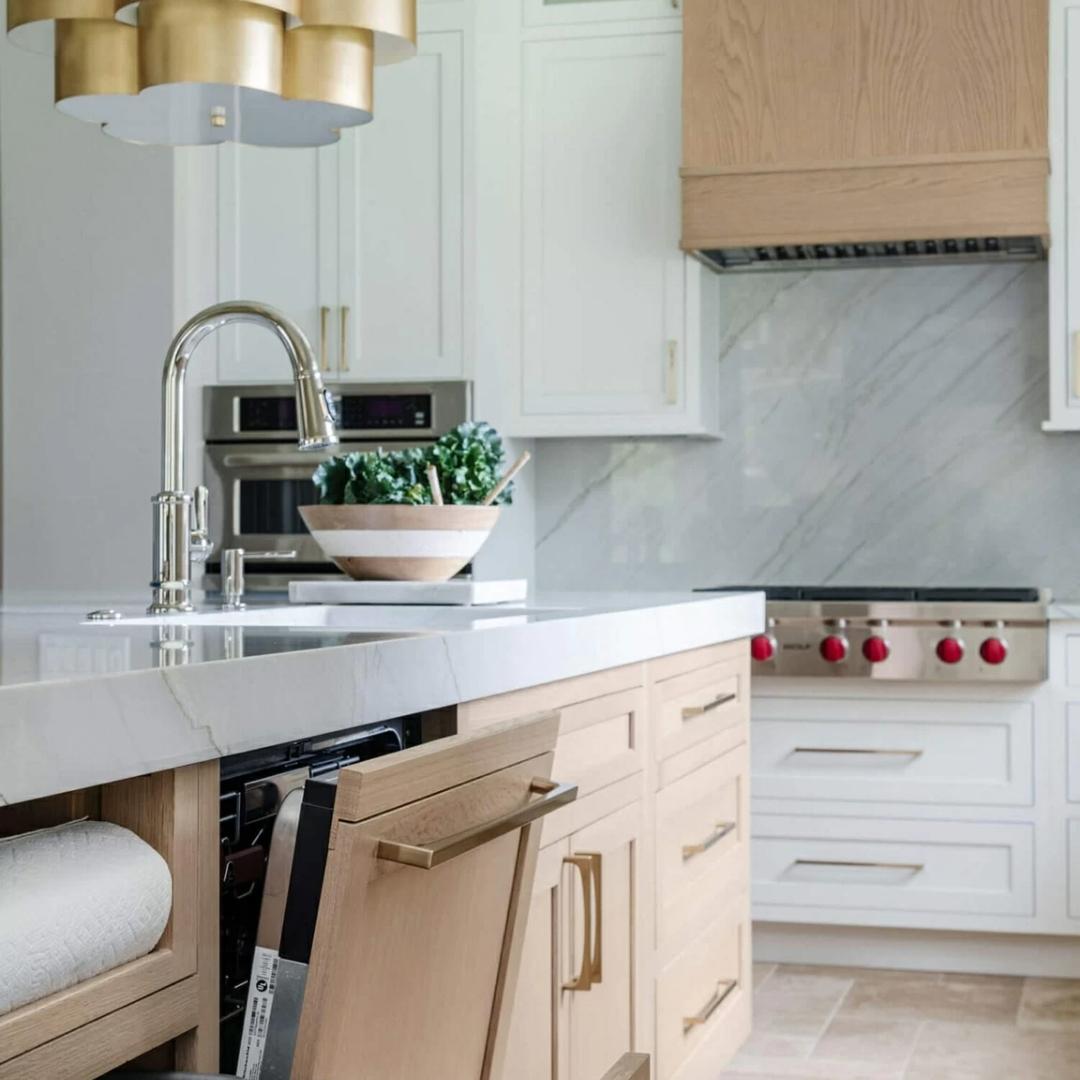
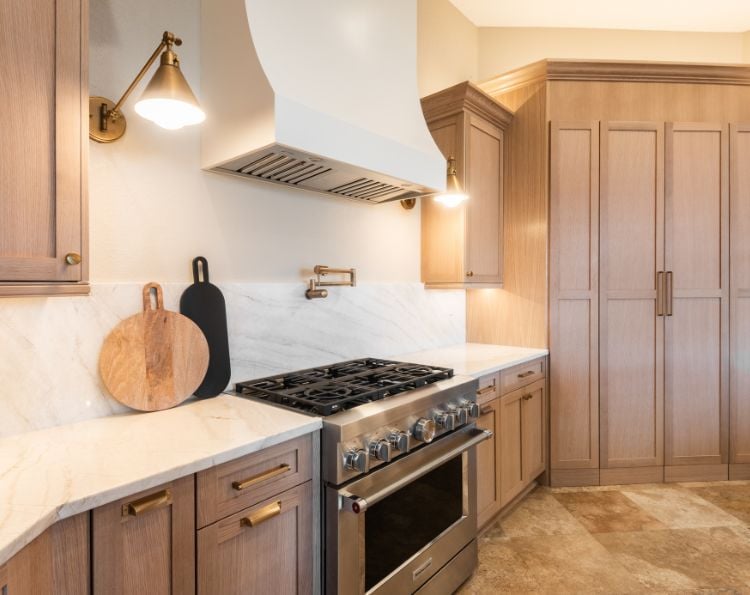
Brass, particularly antique and satin brass, pairs beautifully with farmhouse, traditional, and transitional kitchen styles. Its warmth complements natural materials like wood and stone, creating a cozy and inviting atmosphere. It also works well with neutral color palettes and adds a touch of vintage charm.
Gold tones, on the other hand, are best suited to modern, contemporary, and glam kitchens. Their sleekness and reflectivity complement minimalist designs and add a touch of luxury. Gold hardware can also be used to accentuate bold color schemes and create a dramatic effect.
Forge Hardware Studio showcases examples of antique brass hardware in classic kitchen settings, demonstrating its ability to seamlessly blend with traditional architectural details. Conversely, brushed gold pulls can elevate a sleek, modern kitchen with a subtle touch of glamour.
To help determine the best fit for your kitchen, consider its overall style and the mood you want to create. If you’re aiming for a relaxed and inviting space, brass is likely the better choice. If you’re looking for a more sophisticated and luxurious look, gold might be a better fit.
Find Your Kitchen's Hardware Harmony: Brass or Gold?
Luxury kitchens are defined by their details, and cabinet hardware is a key element. Determining whether brass or gold pulls best suit your space depends on your overall style. This quick quiz will analyze your preferences and guide you towards the perfect finish for a stunning 2026 kitchen update.
Budget Breakdown: Cost Per Drawer
The cost of drawer pulls varies significantly depending on the material, finish, and brand. Solid brass pulls typically range from $10 to $30 per pull, while PVD-coated "gold" pulls can be found for $5 to $20 per pull.
However, these are broad estimates. Designer brands and intricately designed pulls will command a higher price. Home Depot currently lists a wide range of options, with solid brass pulls starting around $8 and gold-toned pulls starting around $6.
It’s important to factor in the cost of all hardware needed for your kitchen – drawer pulls, cabinet knobs, appliance pulls, etc. The total cost can quickly add up, so it’s essential to create a budget and stick to it.
Installation costs, if you’re not doing it yourself, will add to the overall expense. Professional installation typically ranges from $50 to $100 per hour. While the initial cost of PVD-coated pulls may be lower, the potential for needing replacement down the line should be considered.
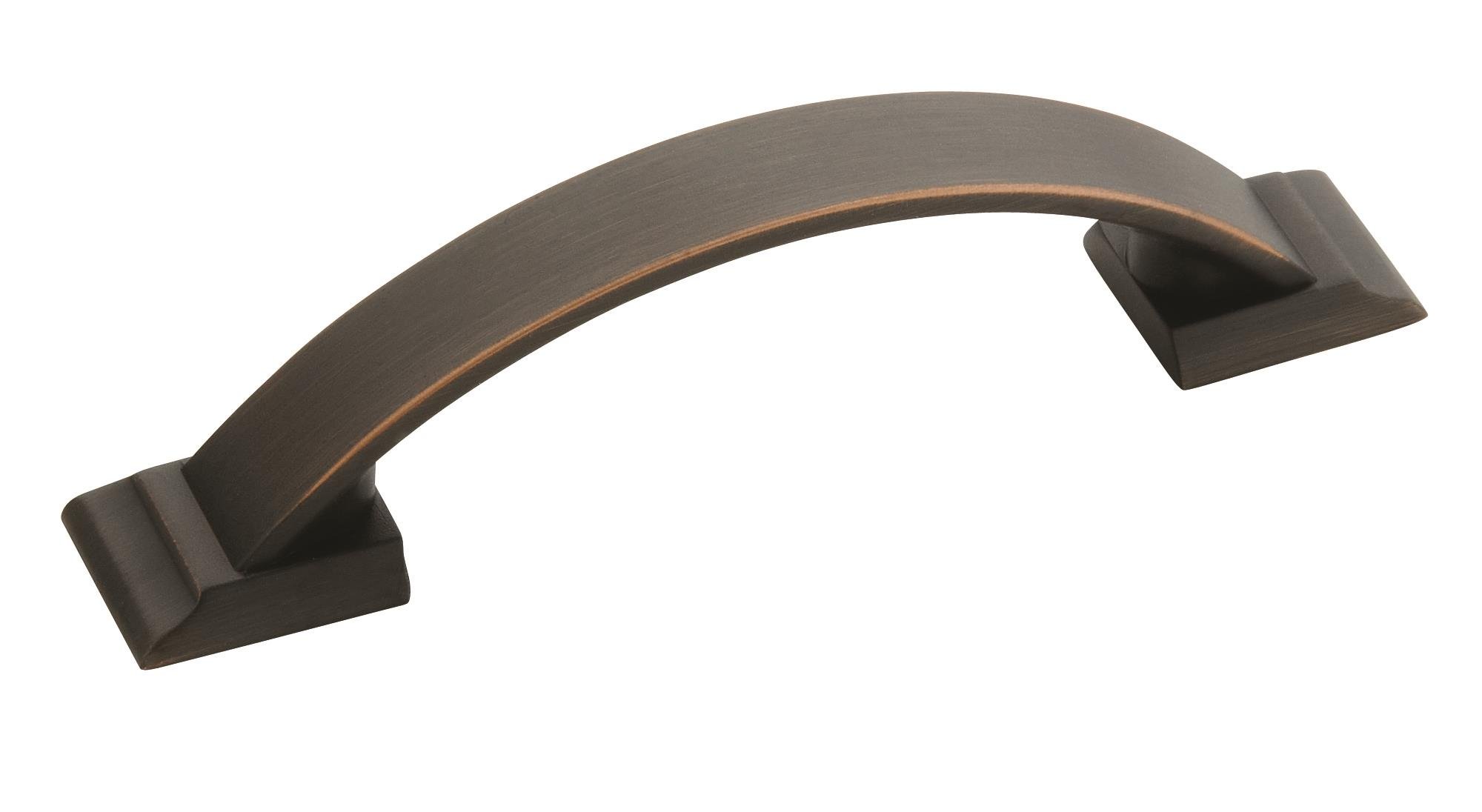
Amerock BP30266ORB Ornate Arch Pull, Oil Rubbed Bronze
- Ornate arch design
- Oil-rubbed bronze finish
- Durable metal construction
- 3-inch center-to-center screw spacing
This Amerock pull provides a sophisticated, traditional aesthetic with its ornate detailing and rich oil-rubbed bronze finish, offering a distinct alternative to polished brass or gold for a luxury kitchen.
View on Amazon →As an Amazon Associate I earn from qualifying purchases.
No comments yet. Be the first to share your thoughts!