
Why matte black dominates modern kitchens
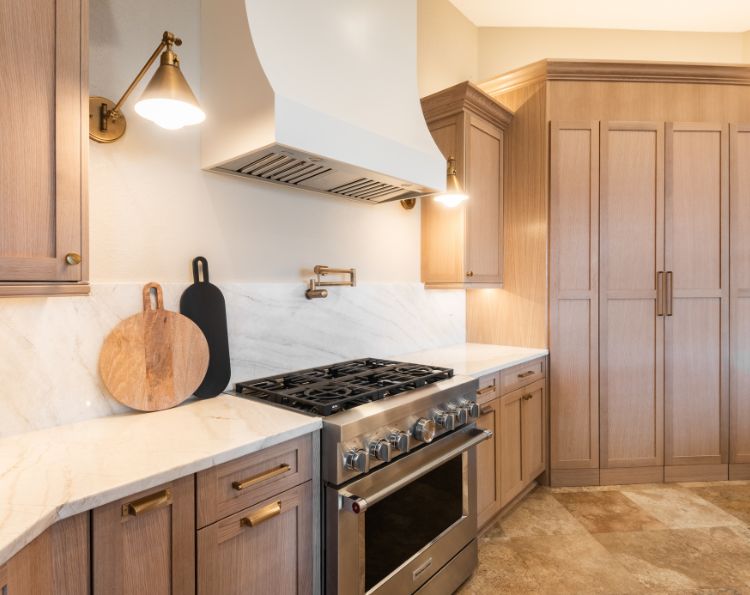
Matte black cabinet handles have moved from niche accent to standard issue in modern kitchen design. The finish works because it creates a sharp, clean contrast against the white, cream, or light gray countertops that define most contemporary spaces. Unlike polished chrome or brushed nickel, which can blend into the background, matte black hardware acts as a visual anchor, grounding the cabinetry and adding a sense of intentional structure to the room.
The texture of a matte finish also changes how the hardware feels and ages. High-gloss black finishes tend to show every fingerprint, smudge, and water spot, turning a sleek handle into a constant cleaning project. Matte black, particularly in powder-coated or PVD (Physical Vapor Deposition) finishes, is far more forgiving. It hides daily wear better, maintaining a consistent look even in high-traffic kitchens where drawers and doors are opened repeatedly.
This durability is a major reason why matte black remains the top choice for cabinet hardware in 2026. It pairs equally well with flat-panel shaker styles and more intricate modern profiles. Whether you are updating a rental or building from scratch, the finish offers a timeless backdrop that doesn't clash with other metal finishes in the room, such as matte black faucets or light fixtures.
Top picks for matte black cabinet pulls
Matte black hardware has moved past a fleeting trend to become a staple in modern kitchen design. The finish works because it grounds the space without competing with cabinetry colors or countertop patterns. Whether you are updating a single drawer or rehandling an entire kitchen, the right pull balances visual weight with everyday durability. Below are specific styles and finishes that consistently perform well in both form and function.
Long bar pulls for minimalist lines
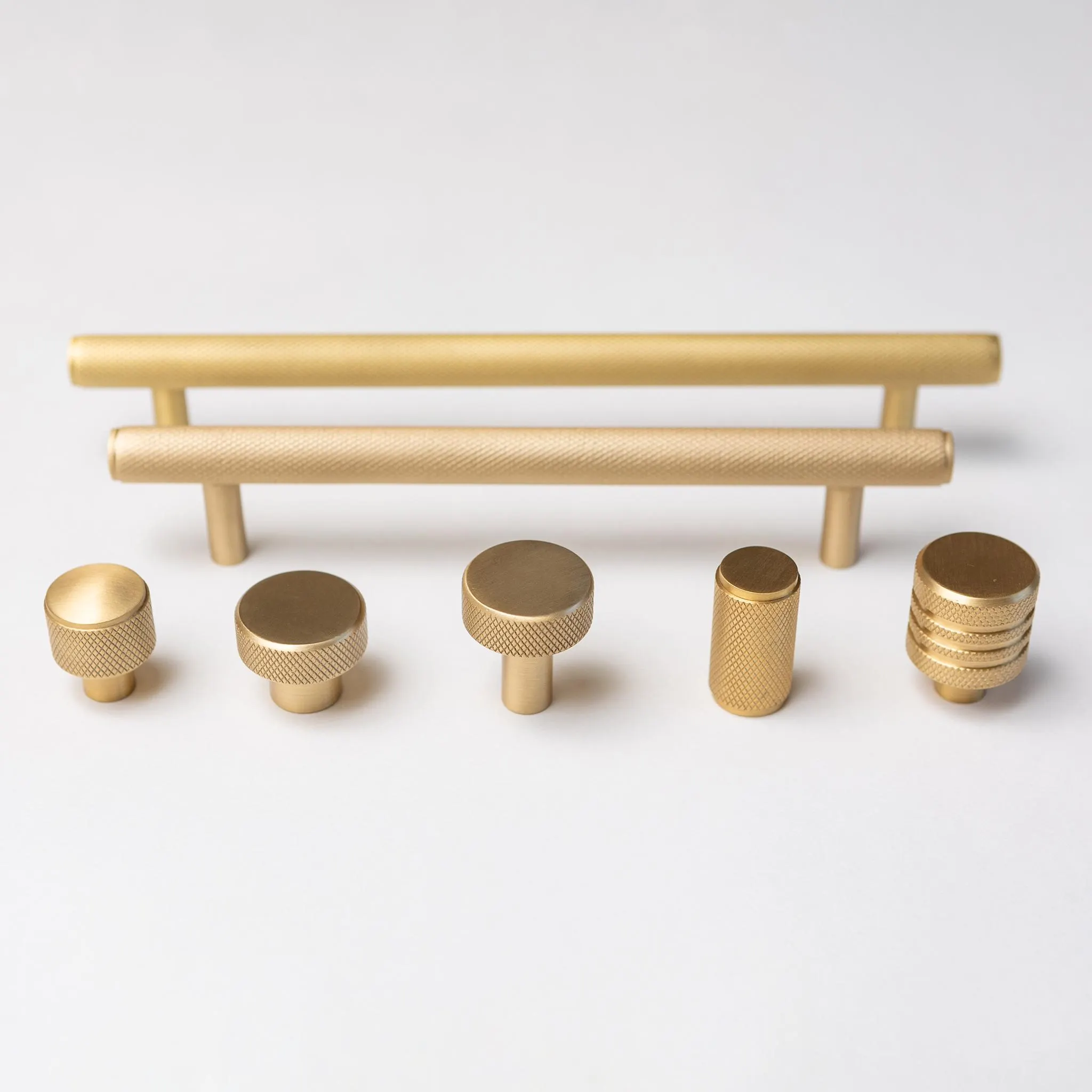
Longer pulls, typically ranging from 5 to 10 inches, create a clean, uninterrupted line across cabinet fronts. This style is particularly effective on wide drawers or large pantry doors where a single point of contact feels more balanced than multiple knobs. The matte finish on these longer pieces tends to hide fingerprints better than polished chrome, making them a practical choice for high-traffic kitchens. Brands like Amerdeco offer zinc alloy options that provide the necessary heft and stability for these extended lengths.
Compact knobs for traditional and transitional styles
While bar pulls dominate modern aesthetics, knobs remain the go-to for traditional, farmhouse, or transitional kitchens. A matte black knob offers a subtle contrast against light wood or white cabinetry without overwhelming the design. These are often preferred for upper cabinets or smaller drawers where a long pull might look disproportionate. The spherical or cylindrical shapes provide an ergonomic grip that feels familiar and comfortable, bridging the gap between classic hardware and contemporary finishes.
Cup pulls for a rustic-modern touch
Cup pulls blend the utility of a handle with the aesthetic of a small shelf. Originally designed for hanging tea towels, they now serve as a popular choice for island sinks or base cabinets in kitchens that lean toward rustic-modern or industrial styles. The matte black finish softens the metallic look, preventing it from feeling too harsh in a warm, wood-heavy environment. This style adds a layer of texture and dimension that flat bar pulls simply cannot achieve.
Satin and oil-rubbed variations
Not all black finishes are created equal. Matte black offers a flat, non-reflective surface that absorbs light, creating a bold, graphic look. Satin black, by contrast, has a slight sheen that reflects light softly, making it less prone to showing water spots and smudges. Oil-rubbed bronze finishes often have a blackened appearance with subtle copper undertones, adding depth and character. Choosing between these depends on your maintenance tolerance and the overall lighting of your kitchen.


As an Amazon Associate, we may earn from qualifying purchases.
| Style | Common Material | Best Use Case |
|---|---|---|
| Bar Pulls | Zinc Alloy / Stainless Steel | Wide drawers, pantries, modern kitchens |
| Knobs | Zinc Alloy / Brass | Upper cabinets, traditional styles |
| Cup Pulls | Zinc Alloy / Iron | Islands, rustic-modern kitchens |
Choosing the right size and finish
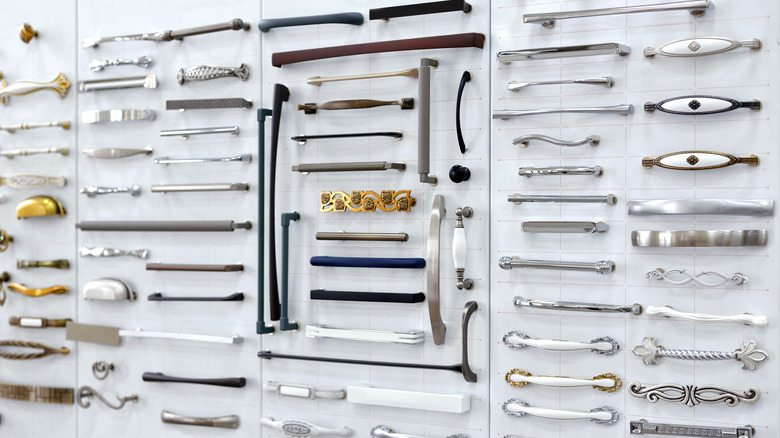
Selecting the correct size and finish for black cabinet handles is the difference between a polished modern kitchen and one that feels cluttered or dated. While color sets the tone, dimensions dictate function. A handle that is too short strains the drawer front; one that is too long overwhelms the cabinetry. Similarly, the finish determines how the hardware interacts with light and daily wear.
Sizing: Center-to-center measurements
The most critical measurement for any pull is the center-to-center distance—the span between the two mounting holes. This number rarely changes based on the brand, so you can swap handles across different manufacturers as long as this measurement aligns. For standard base cabinets and drawers, a 96mm (3.78-inch) pull is the most versatile choice. It offers enough grip for heavy loads without protruding awkwardly.
Upper cabinets and smaller drawers often benefit from shorter pulls. A 64mm (2.52-inch) or 96mm pull works well here, maintaining visual balance without looking disproportionate. For tall pantry doors or full-height cabinet panels, consider longer pulls or bar handles exceeding 128mm (5 inches). These provide better leverage and act as visual anchors, breaking up the expanse of the door front. Always measure your existing holes before buying replacements to ensure compatibility.
Finish selection: Matte, satin, and oil-rubbed
Black hardware comes in several finishes, each with distinct maintenance requirements and aesthetic qualities. Matte black is currently the dominant choice for modern kitchens. It absorbs light rather than reflecting it, creating a soft, velvety appearance that blends seamlessly with flat-panel cabinets. However, matte finishes can show fingerprints and smudges more readily than textured options, requiring frequent wiping with a microfiber cloth.
Satin black offers a subtle sheen, achieved through a light brushing process. This finish is often more forgiving of fingerprints and minor scratches than pure matte. It provides a slight visual depth that can make hardware pop against light-colored countertops. Oil-rubbed black, often found in traditional or transitional styles, features a dark, almost bronze-like undertone with lighter highlights in high-wear areas. While less common in stark modern designs, it offers a rustic charm and hides wear exceptionally well.
For a clean, contemporary look, stick to matte or satin finishes. Avoid highly glossy black lacquers, which can look cheap and reflect too much light, detracting from the sleekness of modern cabinetry. When in doubt, order a single sample handle to test the finish in your kitchen’s specific lighting conditions.
Installation tips for a clean look
Getting the alignment right matters more than the handle style itself. A well-chosen black cabinet pull can look messy if it sits unevenly on the door. Use a drilling template to mark your holes. These templates snap onto the drawer front and ensure every hole is perfectly spaced and level. Without one, you risk crooked lines that distract from the sleek matte finish.
Measure twice before you drill. Standard modern pulls often use a 128mm center-to-center spacing, but cabinet sizes vary. Mark the exact center of your drawer front, then use the template to mark the screw holes. If you are installing longer pulls on deep drawers, consider adding a center support screw to prevent the handle from wobbling over time.
Use the correct drill bit for your screws. Most black hardware comes with standard screws, but cabinet boxes can be made of thin particle board or solid wood. A slightly oversized pilot hole can help prevent the wood from splitting, especially near the edges. Tighten the screws firmly but do not overtighten, as this can strip the threads or crack the cabinet face.
Use a tape measure to find the exact center of your drawer or cabinet door. Mark this spot lightly with a pencil. This center point will anchor your template, ensuring the handle is perfectly balanced on the face.
Place your drilling template over the center mark. The template should have pre-drilled holes that match the spacing of your chosen black pulls (commonly 128mm). Secure the template with painter's tape to prevent it from sliding while you mark the holes.
Using a drill bit slightly smaller than your screw diameter, drill straight down through the template holes. Keep the drill perpendicular to the surface to ensure the screws go in straight. This step is critical for preventing wood splitting, especially in particle board cabinets.
Insert the screws through the back of the cabinet face and tighten the handles from the front. Use a screwdriver to secure them firmly. Avoid overtightening, which can strip the threads or damage the cabinet material. Repeat for all drawers, checking alignment as you go.
Frequently asked questions about black hardware
Does matte black finish show fingerprints? Matte black finishes are generally more forgiving than polished chrome or stainless steel. The non-reflective surface helps mask minor smudges and fingerprints that would be glaringly obvious on high-gloss metals. However, they are not entirely fingerprint-proof. Regular wiping with a soft, dry microfiber cloth keeps the finish looking clean and prevents dust buildup from dulling the matte texture.
How do I clean black cabinet pulls without damaging the finish? Avoid abrasive scrubbers, steel wool, or harsh chemical cleaners like bleach or ammonia, as these can strip the protective coating and cause rust or discoloration. Instead, use a mild dish soap diluted in warm water and a soft cloth. Dry the hardware immediately after cleaning to prevent water spots, especially if you have hard water. For stubborn grime, a small amount of isopropyl alcohol on a cotton swab can remove sticky residue without harming the finish.
Should my cabinet handles match my faucet exactly? Matching your cabinet hardware to your faucet is no longer a strict rule, but it does create a cohesive look. If you have matte black faucets, pairing them with matte black handles creates a unified, modern aesthetic. However, mixing finishes can work if done intentionally. For example, matte black handles with brushed nickel faucets can add contrast and visual interest. The key is to ensure the finishes complement each other rather than clash.
Are black handles durable for daily kitchen use? High-quality black cabinet handles, particularly those made from zinc alloy or stainless steel with a PVD (Physical Vapor Deposition) coating, are highly durable. PVD coatings are bonded at a molecular level, making them resistant to chipping, peeling, and tarnishing. Cheaper, painted finishes may wear over time, especially on high-touch areas like drawer pulls. When shopping, look for products that specify PVD or electroplated finishes for long-lasting durability in a busy kitchen.
No comments yet. Be the first to share your thoughts!