
How we picked the best cabinet pulls
Identifying the 2026 hardware trends requires balancing three non-negotiable factors: finish durability, precise screw spacing, and aesthetic versatility. We prioritized hardware that withstands daily kitchen use without tarnishing or loosening, ensuring the fixtures remain a functional asset rather than a maintenance burden.
Finish quality is the first filter. We looked for PVD (Physical Vapor Deposition) coatings on brass and zinc alloys, which offer superior resistance to fingerprints and corrosion compared to traditional plating. Matte black finishes were scrutinized for chipping resistance, while brushed nickel was tested for its ability to hide smudges. The goal is hardware that ages gracefully, not hardware that requires constant polishing.
Screw spacing dictates compatibility. The industry standard for pulls is a 3-inch center-to-center measurement, but we also verified 5-inch and 9-inch options for larger drawers. Incorrect spacing renders even the most beautiful pull useless. We focused on products with standardized mounting holes to ensure easy installation and replacement.
Aesthetic versatility ensures the fixtures complement modern kitchen trends. We selected pieces that bridge the gap between minimalist and transitional styles, such as slender brushed brass bars or clean-lined matte black handles. These designs work with both shaker and slab cabinets, making them a safe investment for homeowners planning to stay in their space long-term.
As noted by Schoolhouse, proper placement is equally critical for both function and look. They recommend placing upper cabinet hardware 2.5 to 3 inches from the bottom edge, while lower cabinets typically benefit from hardware placed higher up on the stile. Correct positioning enhances the visual rhythm of the kitchen, just as the right finish ensures longevity.
Top rated brushed brass pulls
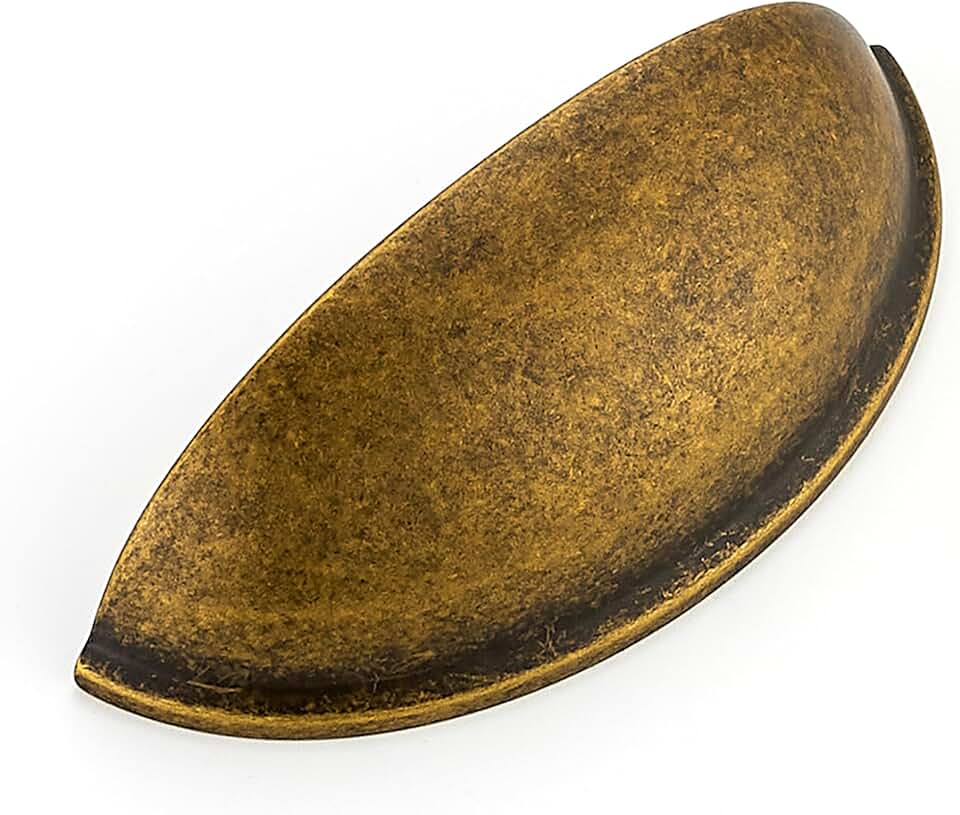
Brushed brass has moved from a niche vintage choice to a staple of modern kitchen design. The finish offers warmth without the high-maintenance shine of polished gold, making it a practical choice for high-traffic areas. When selecting hardware for your space, durability and finish consistency are just as important as the aesthetic appeal.
The market currently favors pulls that blend clean lines with a subtle metallic glow. Popular styles include bar pulls with rounded edges and minimalist T-bars that fit both contemporary and transitional kitchens. We have identified several top-rated options that balance style with long-term wear resistance.



As an Amazon Associate, we may earn from qualifying purchases.
Matte black drawer pulls
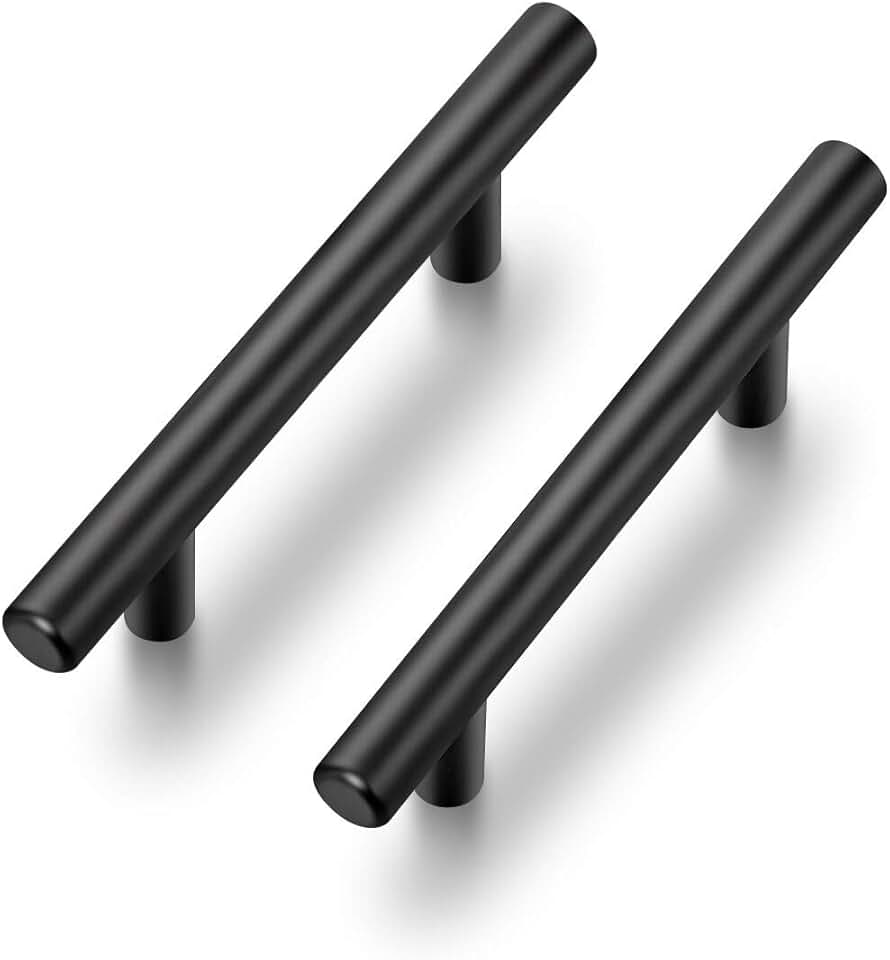
Matte black hardware remains a dominant force in 2026 kitchen design, offering a sharp contrast to light cabinetry and warm wood tones. Unlike polished chrome or brushed nickel, matte black finishes absorb light, creating a grounded, minimalist aesthetic that anchors modern spaces. The trend leans toward clean lines and geometric shapes, avoiding ornate details in favor of functional simplicity.
Durability is a primary concern with dark finishes. Lower-quality matte coatings can chip or fade under heavy use, revealing the metal underneath. High-end options utilize powder-coated or PVD (Physical Vapor Deposition) finishes that resist fingerprints, scratches, and moisture. When selecting pulls for high-traffic areas like kitchen islands or pantry doors, prioritize brands that specify durable coating technologies to ensure the finish holds up over time.
The visual impact of matte black is most effective when used consistently. Mixing matte black with other finishes can disrupt the streamlined look that defines modern minimalism. For a cohesive design, pair these pulls with matching hinges and knobs, or use them as the sole hardware accent against neutral or white cabinets.


As an Amazon Associate, we may earn from qualifying purchases.
Brass vs. Black: Comparing Finish Durability and Style
Choosing between brushed brass and matte black cabinet pulls often comes down to how you want the hardware to age and how much maintenance you are willing to perform. These two finishes dominate modern kitchen design, but they behave differently under daily use. Understanding their specific maintenance needs and visual impact helps you select the right fixtures for your long-term satisfaction.
Maintenance and Fingerprint Resistance
Matte black finishes are generally more forgiving in high-traffic kitchens. The textured, non-reflective surface hides fingerprints, water spots, and minor scratches better than polished metals. However, cheaper matte black coatings can chip or wear off over time, especially on high-touch areas like the center of a pull. Look for powder-coated or PVD (Physical Vapor Deposition) finishes for better longevity. Brushed brass, while durable, shows fingerprints more readily. A light wipe with a microfiber cloth usually removes smudges, but harsh cleaners can strip the protective lacquer, leading to uneven patina. If you prefer a low-maintenance look that stays consistent, matte black is the safer choice.
Visual Impact and Style Compatibility
Brass adds warmth and a touch of vintage elegance, making it ideal for traditional, transitional, or Scandinavian-inspired kitchens. It pairs well with white, cream, or light wood cabinetry, creating a soft contrast. Matte black offers a sharper, more contemporary edge. It works exceptionally well with dark cabinetry, creating a monochromatic, sophisticated look, or with white cabinets for high-contrast modernism. Brass tends to draw the eye as a decorative element, while black pulls often blend into the cabinetry or provide a subtle, grounding outline.
Side-by-Side Comparison
The table below summarizes the key differences to help you decide which finish aligns with your kitchen’s aesthetic and your lifestyle.
| Feature | Brushed Brass | Matte Black |
|---|---|---|
| Fingerprint Visibility | High – requires frequent wiping | Low – hides smudges well |
| Scratch Resistance | Moderate – lacquer can wear | High – if powder-coated |
| Best For | Warm, traditional, or Scandinavian styles | Modern, industrial, or high-contrast kitchens |
| Cleaning Needs | Regular dusting and gentle cleaning | Occasional wiping with mild soap |
Where to buy cabinet hardware sets
Finding the right source for cabinet hardware requires balancing selection depth with consistency. Buying complete sets ensures that every drawer and door in your kitchen shares the same finish, weight, and screw spacing. This uniformity prevents the visual clutter that often arises when mixing mismatched hardware from different batches or suppliers.
Specialized retailers like New York Hardware and Top Knobs offer extensive catalogs of premium options. These vendors curate collections from established brands, allowing you to view full product lines rather than isolated items. Shopping at dedicated hardware stores often provides access to exclusive finishes and bulk pricing that general marketplaces may not match.
For those prioritizing convenience and verified customer feedback, Amazon remains a viable option. The platform’s search filters help narrow down options by style and material, while the review system offers real-world insights into durability and finish quality. Always verify that the listed product includes the necessary mounting hardware and matches the exact dimensions of your existing cabinet holes.
Install cabinet pulls with precise measurements
Proper installation turns a good cabinet pull into a professional finish. The difference between a sloppy job and a polished look comes down to two things: accurate placement and steady drilling. Follow these steps to ensure your new hardware sits level and functions smoothly.
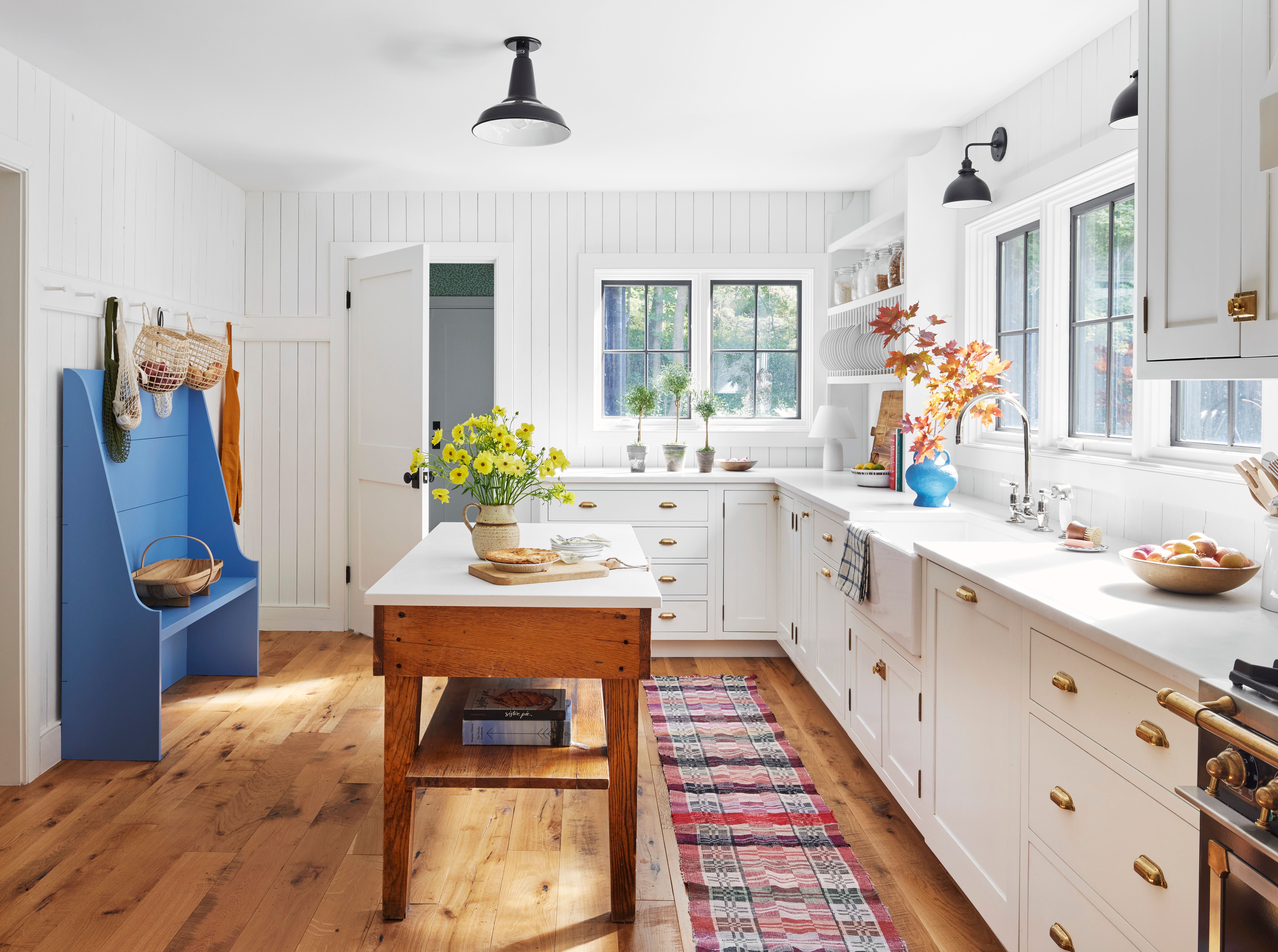
Before drilling, measure the distance between the screw holes on your new pull. Most standard pulls have a 3-inch or 5-inch center-to-center spacing. Mark this exact distance on the cabinet door or drawer front using a tape measure and a pencil. Double-check your math; a millimeter off can look crooked once installed.
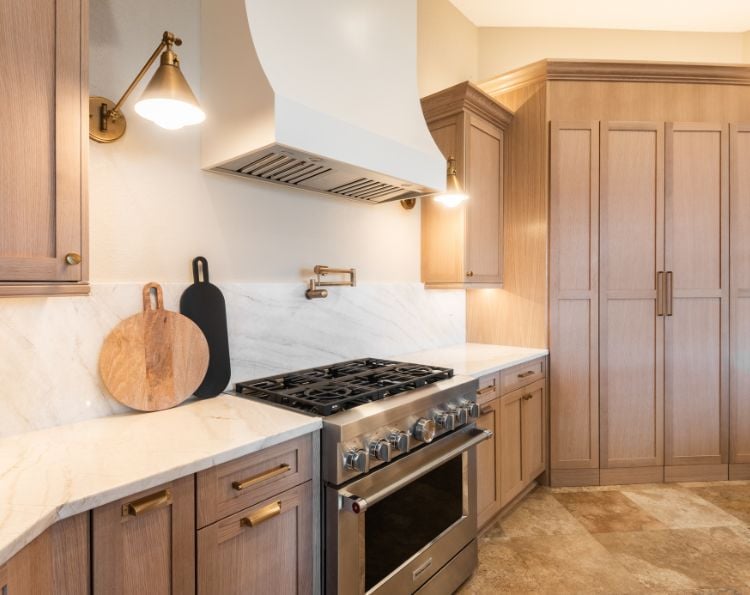
Vertical placement depends on whether you are installing upper or lower cabinets. For lower drawers, place the pull in the top corner of the panel. For upper cabinets, position the pull about 2.5 to 3 inches from the bottom edge of the door. This creates a consistent visual line across your kitchen, making the space feel more organized and intentional.
Use a drill bit that matches the diameter of your pull’s screws. Drill straight through your pencil marks, keeping the drill perpendicular to the cabinet surface. If you are working with hollow-core doors, go slow to prevent the bit from slipping or splintering the wood. A clean, straight pilot hole ensures the screw threads grip properly without stripping.
Insert the screws through the back of the cabinet and into the pull. Tighten them by hand first to ensure they are aligned, then use a screwdriver to secure them. Do not overtighten, as this can crack the cabinet material or strip the screw holes. Once all pulls are attached, check that they swing freely and align with neighboring units.
Common questions about cabinet pulls
Choosing the right hardware often comes down to three practical variables: scale, finish compatibility, and material durability. The fixtures for modern kitchens balance these factors to ensure the hardware feels intentional rather than an afterthought.
What is the standard size for kitchen cabinet pulls?
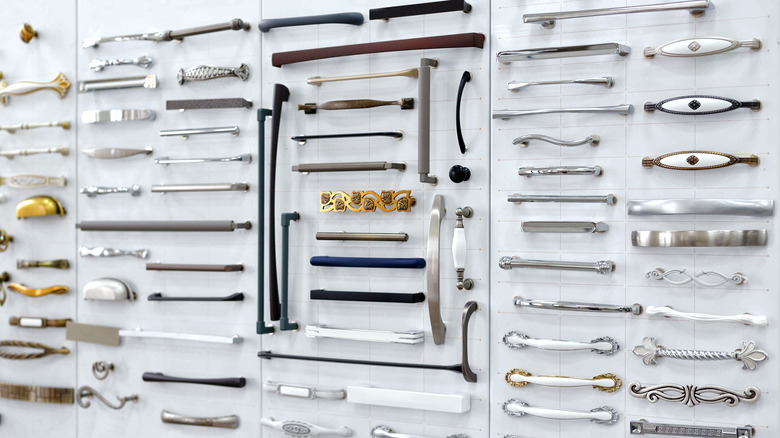
Most standard drawers and cabinet doors use pulls with a 3-inch to 9-inch center-to-center measurement. For wide drawers over 24 inches, a 9.6-inch or 12.7-inch pull provides better leverage and visual balance. Narrow drawers under 12 inches look cluttered with large pulls; stick to 3-inch or 5.3-inch options.
Do cabinet pulls need to match appliance handles exactly?
They do not need to match perfectly, but they should share a similar finish family. Matching the brushed nickel of your faucet with your pull creates cohesion. If your appliances are stainless steel, choose a pull with a brushed or satin finish to avoid a shiny, mismatched look.
Which materials are most durable for high-use kitchens?
Solid brass and stainless steel offer the highest durability against daily wear and corrosion. Avoid lightweight zinc alloys for frequently used drawers, as they can bend or strip over time. Matte black and antique brass finishes also hide fingerprints better than polished chrome in busy households.
No comments yet. Be the first to share your thoughts!