
Measure drawer spacing first
Before you browse modern cabinet pulls, you need to know the exact distance between the screw holes. This is called the center-to-center measurement, and it is the single most important number in your hardware shopping list. If you buy pulls based on the total length of the bar, they likely won't fit your existing holes, leaving you with mismatched drilling or a full cabinet renovation you didn't plan for.
Grab a tape measure and place the zero mark on the inside edge of one screw hole. Measure straight across to the inside edge of the other hole. Common sizes for modern cabinet pulls include 3 inches, 5 inches, 7 inches, and 9.5 inches. If your current hardware is already installed, measuring the old pull is the fastest way to get this number. If you are installing new hardware on a blank drawer front, you will need to drill the holes yourself, so measure twice to ensure they are perfectly centered.
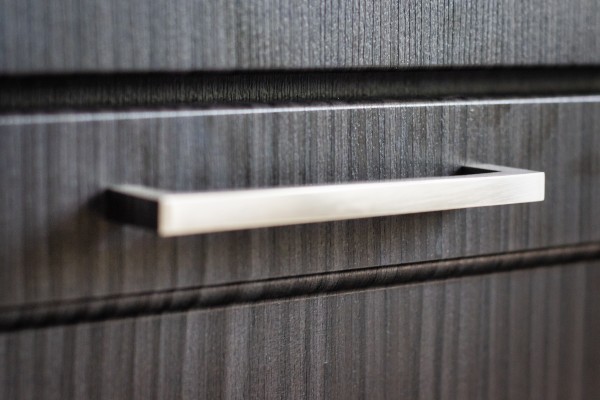
Once you have your measurement, you can shop with confidence. Modern cabinet pulls come in a vast array of finishes and styles, from sleek bar pulls to minimalist arches, but they all share this standard mounting requirement. Knowing your center-to-center spacing ensures that every pull on your kitchen island and base cabinets aligns perfectly, creating a cohesive, professional look without the frustration of ill-fitting hardware.


As an Amazon Associate, we may earn from qualifying purchases.
Match finishes to your fixtures
Coordinating your modern cabinet pulls with existing kitchen fixtures creates a unified design language. When hardware finishes mirror the sheen of your faucets and lighting, the eye moves smoothly across the space rather than snagging on conflicting textures. This consistency prevents the kitchen from feeling disjointed, turning individual components into a single, intentional composition.
Start by identifying the primary metal tone in your room. If your faucet is matte black, select cabinet pulls with a matching matte or brushed black finish. For chrome faucets, stick to polished chrome or nickel pulls. If you have warm brass lighting, opt for brushed brass or antique bronze pulls. The goal is not necessarily an exact 100% match, but rather a harmonious family of metals that share the same undertone—cool, warm, or neutral.
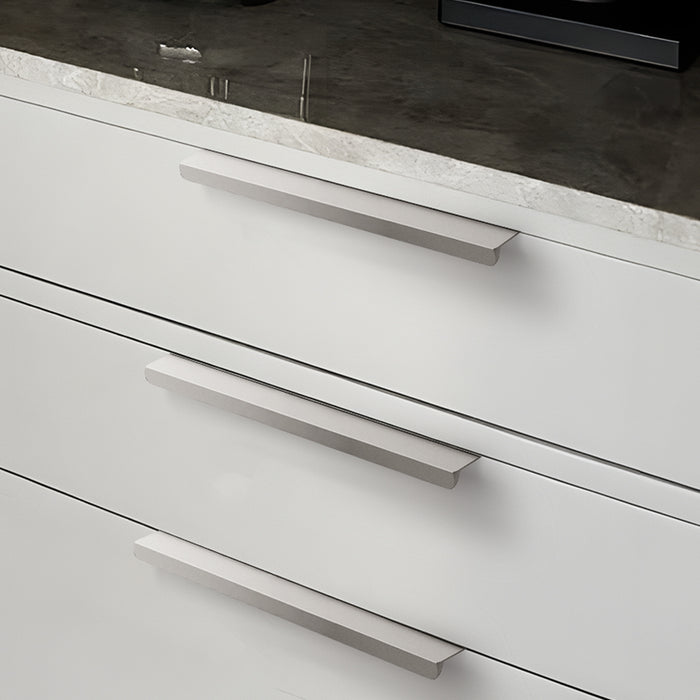
Consider the visual weight of the finish alongside the style of the pull. High-gloss finishes reflect light and can make small kitchens feel larger, while matte finishes absorb light and add depth. Below is a comparison of common modern finishes to help you weigh their visual impact against maintenance needs.
| Finish | Visual Weight | Maintenance | Best For |
|---|---|---|---|
| Brushed Nickel | Medium | Low | Modern minimalist kitchens |
| Matte Black | High | Medium | Industrial or contemporary styles |
| Brushed Brass | Medium | Medium | Warm, inviting spaces |
| Polished Chrome | Low | High | Bright, clean aesthetics |
When selecting modern cabinet pulls, remember that you do not need to replace every metal element in the kitchen. Your cabinet hardware is the most frequently touched surface, so it deserves to be the focal point. If your lighting fixtures are already installed and difficult to change, let them dictate the finish of your new pulls. This approach ensures cohesion without requiring a full renovation of your lighting plan.
For those seeking specific examples of these coordinated looks, browsing curated collections can provide inspiration. Retailers like Modern Matter offer solid brass options that pair well with warm lighting, while Hapny Home features unique drawer pulls that bridge the gap between modern and traditional finishes.
Select pull shapes for style
The shape of your modern cabinet pulls dictates the visual rhythm of your kitchen. While hardware finishes like matte black or brushed brass set the tone, the silhouette determines how the eye moves across the cabinetry. Choosing the right profile ensures your hardware complements rather than competes with your design scheme.
T-bar pulls
T-bar pulls feature a horizontal bar perpendicular to a mounting base, creating a clean, geometric line. This shape is a staple of mid-century modern and contemporary design because it emphasizes horizontal width. They work exceptionally well on wide drawers, where the long bar provides a comfortable grip and a balanced visual anchor. Avoid placing them on narrow cabinet doors where they might look disproportionate.
Cup pulls
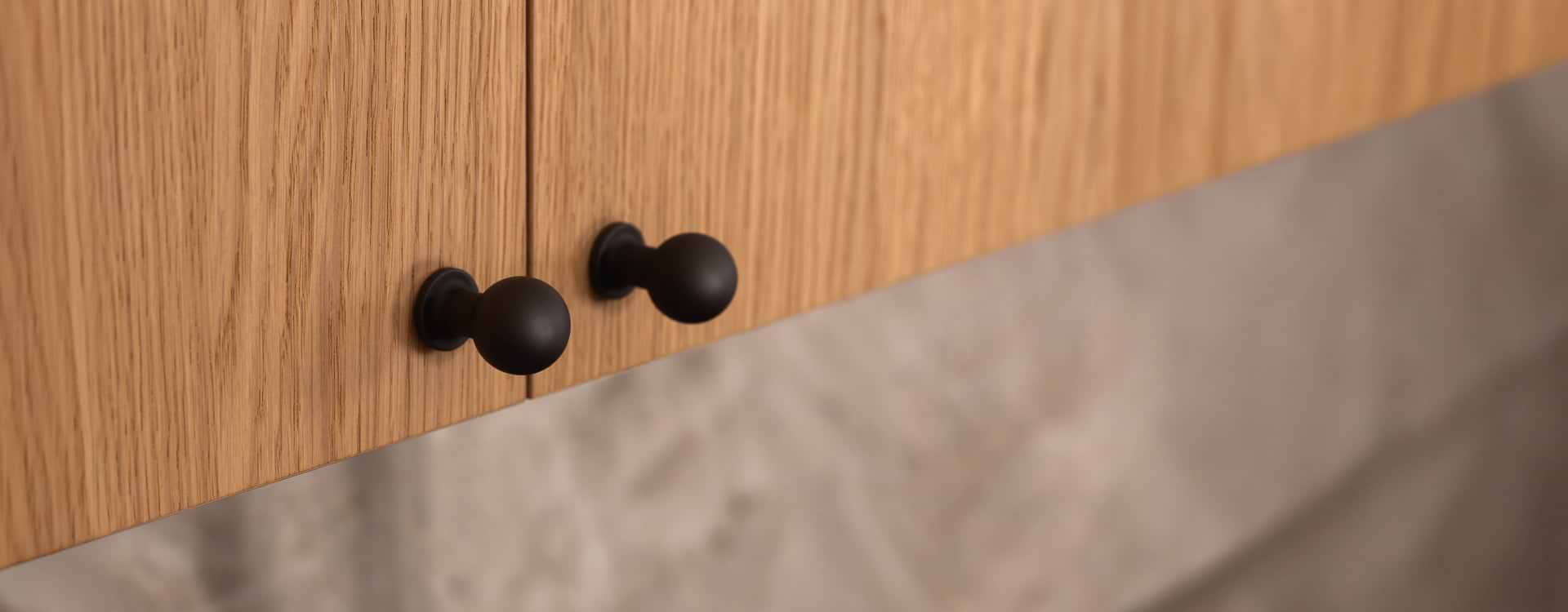
Cup pulls offer a curved, concave handle that invites a natural grip. Often associated with farmhouse or transitional styles, modern iterations come in sleek, minimalist metals that fit contemporary spaces. They are ideal for base cabinets and islands, allowing for easy lifting of heavy items. Their rounded form softens the sharp lines of modern cabinetry, adding a touch of warmth without sacrificing function.
Bar pulls
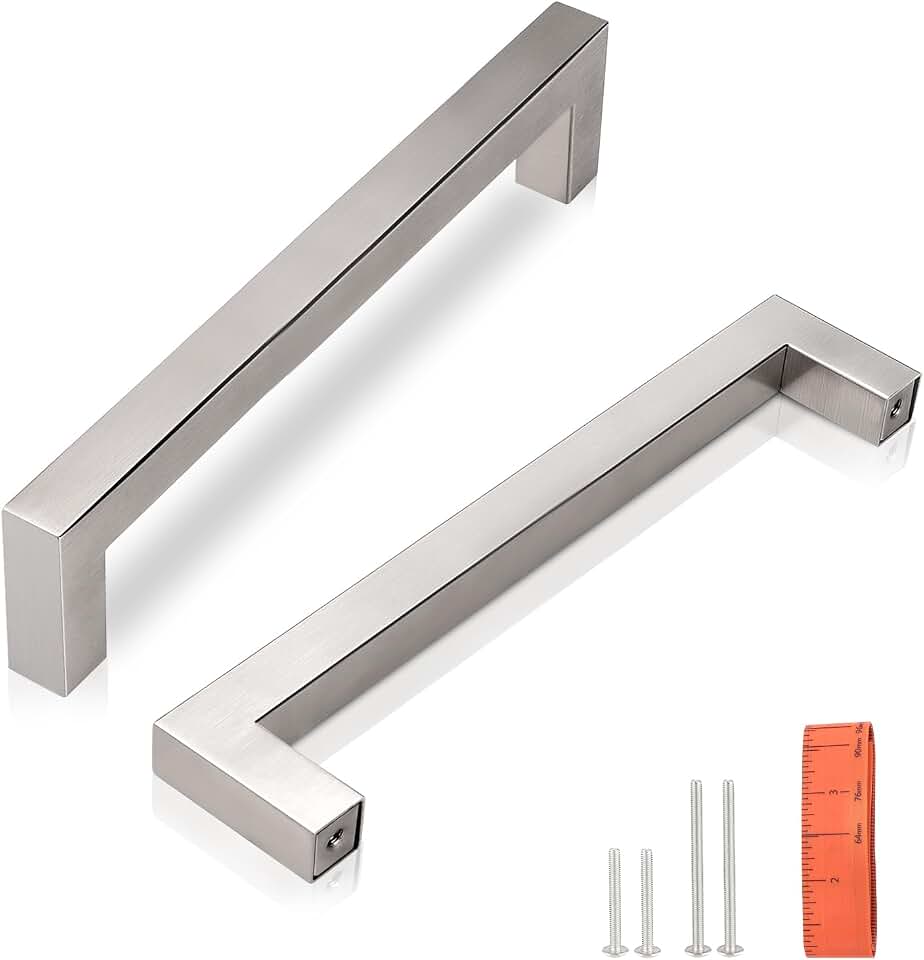
Bar pulls are the most versatile option, consisting of a simple straight or slightly curved bar with mounting points at either end. They suit almost any modern aesthetic, from industrial to ultra-minimalist. Because they lack ornate details, they blend seamlessly into flat-panel cabinets. Choose a bar pull that aligns with your drawer width; generally, the pull should be one-third to one-half the width of the drawer front for optimal proportion.


As an Amazon Associate, we may earn from qualifying purchases.
Install pulls with a template
Using a drilling template is the single most effective way to ensure your modern cabinet pulls are perfectly aligned. Without a guide, even a millimeter of drift ruins the clean lines you paid for. A template locks the spacing, keeping every drawer and door in the row uniform. This precision is what separates a professional finish from a DIY mistake.
1. Mark the center point
Most cabinet doors and drawers have a vertical center line. If yours doesn't, use a level to draw a faint pencil line down the middle of the door front. This line is your anchor. Every pull, regardless of width, should be centered on this axis to maintain balance.
Find the vertical center of your cabinet door or drawer front. Use a pencil and a level to draw a light, precise line. This line ensures your hardware is centered horizontally, which is critical for the symmetrical look of modern cabinetry.
2. Position the template
Place your drilling template over the door. Align the template's center marks with the pencil line you just drew. Make sure the template is level horizontally. Once aligned, use painter's tape to secure the template to the cabinet surface. This prevents the template from sliding when you apply pressure with the drill.
Align your drilling template with the center line and ensure it is perfectly horizontal. Secure the template with painter's tape to prevent slipping. This stability is crucial for drilling straight holes that match the screw spacing of your new pulls.
3. Drill the pilot holes
Insert a drill bit that matches the diameter of your pull's screws. Typically, this is a 3/16-inch bit, but check your hardware specs. Drill straight down through the template's guide holes. Stop just short of drilling all the way through if your cabinet doors are hollow-core or have a delicate veneer on the back. A slight indent is enough to guide the screw.
Using a drill bit that matches your screw diameter, drill through the template's guide holes. Keep the drill perpendicular to the cabinet surface. Drill only deep enough to create a guide for the screw, avoiding damage to the back of thin cabinet doors.
4. Attach the pulls
Remove the template. Insert the screws through the back of the cabinet door and push them through the holes from the front. Slide the modern cabinet pulls onto the screws. Hand-tighten the nuts or washers first to ensure the pull is straight. Then, use a screwdriver or drill with a torque setting to fully tighten. Do not overtighten, as this can strip the wood or crack the pull's mounting plate.
Thread the screws through the cabinet and into the new pulls. Hand-tighten first to check alignment, then use a tool to secure them firmly. Avoid overtightening, which can damage the cabinet material or the hardware finish.
5. Check alignment and finish
Step back and inspect your work. Look at the row of drawers or doors from eye level. The pulls should form a straight, continuous line. If one is slightly off, loosen the screws, adjust the pull, and retighten. Once satisfied, clean any pencil marks or fingerprints from the hardware with a soft cloth.
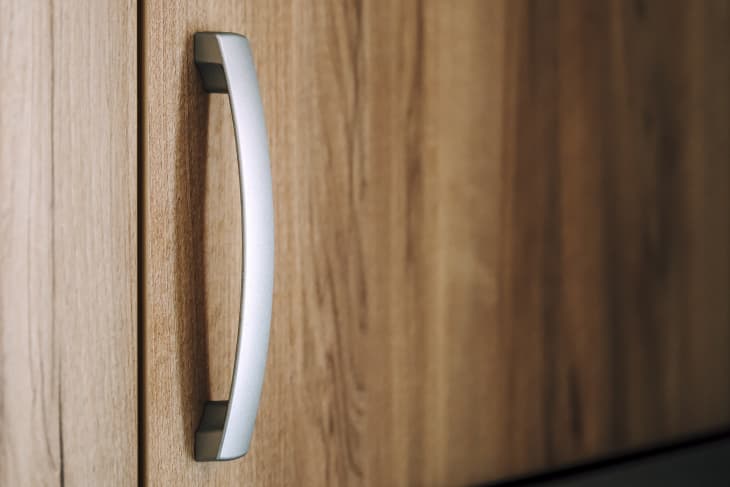
Verify that all pulls are level and evenly spaced. Make minor adjustments if necessary, then clean the hardware. A final inspection ensures your kitchen upgrade looks polished and professional.
Check hardware quality before buying
Modern cabinet pulls are the most frequently touched elements in your kitchen. If the hardware feels light or hollow, it will likely loosen or break within months. You need solid materials that withstand daily friction without showing wear.
Start by weighing the pull in your hand. Solid brass and stainless steel have significant heft. If the pull feels like thin aluminum or cheap zinc alloy, it will bend under pressure. Avoid finishes that chip easily; look for PVD (Physical Vapor Deposition) coatings or thick plating that resists scratching.
Test the mounting screws. High-quality pulls use sturdy, threaded inserts or thick metal backplates. If the screw holes are plastic or the metal is flimsy, the pull will wobble and eventually tear out of your cabinet doors.
-
Check for solid metal weight, not hollow plastic
-
Verify thick PVD or brushed nickel finish
-
Ensure metal backplates, not plastic inserts
-
Confirm screws are included and sturdy
Common installation mistakes
Even the most expensive modern cabinet pulls can look cheap if installed poorly. Precision is the difference between a custom look and a DIY job. Avoid these frequent errors to ensure your hardware lasts and aligns perfectly.
Misalignment and Spacing
The most common mistake is inconsistent spacing between pulls. If your first pull is off by a fraction of an inch, every subsequent one will be too. Use a single template for all cabinets and drawers. Mark your holes before drilling to guarantee uniformity across the entire kitchen.
Using the Wrong Drill Bit
Modern cabinet pulls often come with decorative screws that have small shanks. Using a drill bit that is too large will create a loose fit, causing the screw to strip or the pull to wobble. Check the screw diameter and select a bit that matches it closely. A tight fit ensures the hardware stays secure over time.
Ignoring Cabinet Depth
Standard screws might be too long for thinner cabinet doors, poking through the back. This not only looks bad but can damage the cabinet structure. Measure your door thickness and choose screws that are slightly shorter than the depth. This prevents damage and keeps the installation clean.
Skipping the Pilot Hole
Drilling directly into wood without a pilot hole can cause the material to split, especially near the edges. Always start with a small pilot hole. This guides your drill bit and ensures a straight, clean hole for your screws. It also reduces the effort needed to drive the screws in.
Not Checking for Level
A crooked pull ruins the symmetry of your kitchen. Use a small level to check each pull before fully tightening the screws. Make minor adjustments while the screws are still loose. Once you are satisfied with the alignment, tighten them down securely.
Frequently asked questions about modern cabinet pulls
What is the best size for modern cabinet pulls?
For standard upper cabinets, a 3-inch to 4-inch pull works best. Lower cabinets and drawers benefit from longer pulls, typically 5 inches to 16 inches. The general rule is to place the holes about 3 inches to 4 inches from the bottom and top edges of the cabinet door or drawer front. This proportion keeps the hardware looking balanced and ensures your fingers have enough room to grip comfortably.
Can I mix metals when choosing modern cabinet pulls?
Yes, mixing metals is a popular design choice that adds visual interest to a kitchen. You might pair matte black modern cabinet pulls on lower cabinets with brushed nickel hardware on the island. To keep the look cohesive, stick to two finishes maximum and repeat them elsewhere in the room, such as on light fixtures or faucets.
How do I install modern cabinet pulls on uneven surfaces?
Start by measuring and marking your drill holes with a pencil. Use painter's tape over the marks to prevent the drill bit from slipping. Drill a pilot hole slightly smaller than your screw diameter, then align the pull and secure it with the provided screws. If the holes don't line up, check if the pull allows for slight adjustment or if you need to re-drill carefully.
Work through Kitchen Trends
No comments yet. Be the first to share your thoughts!