
Why matte black and brass lead 2026 trends
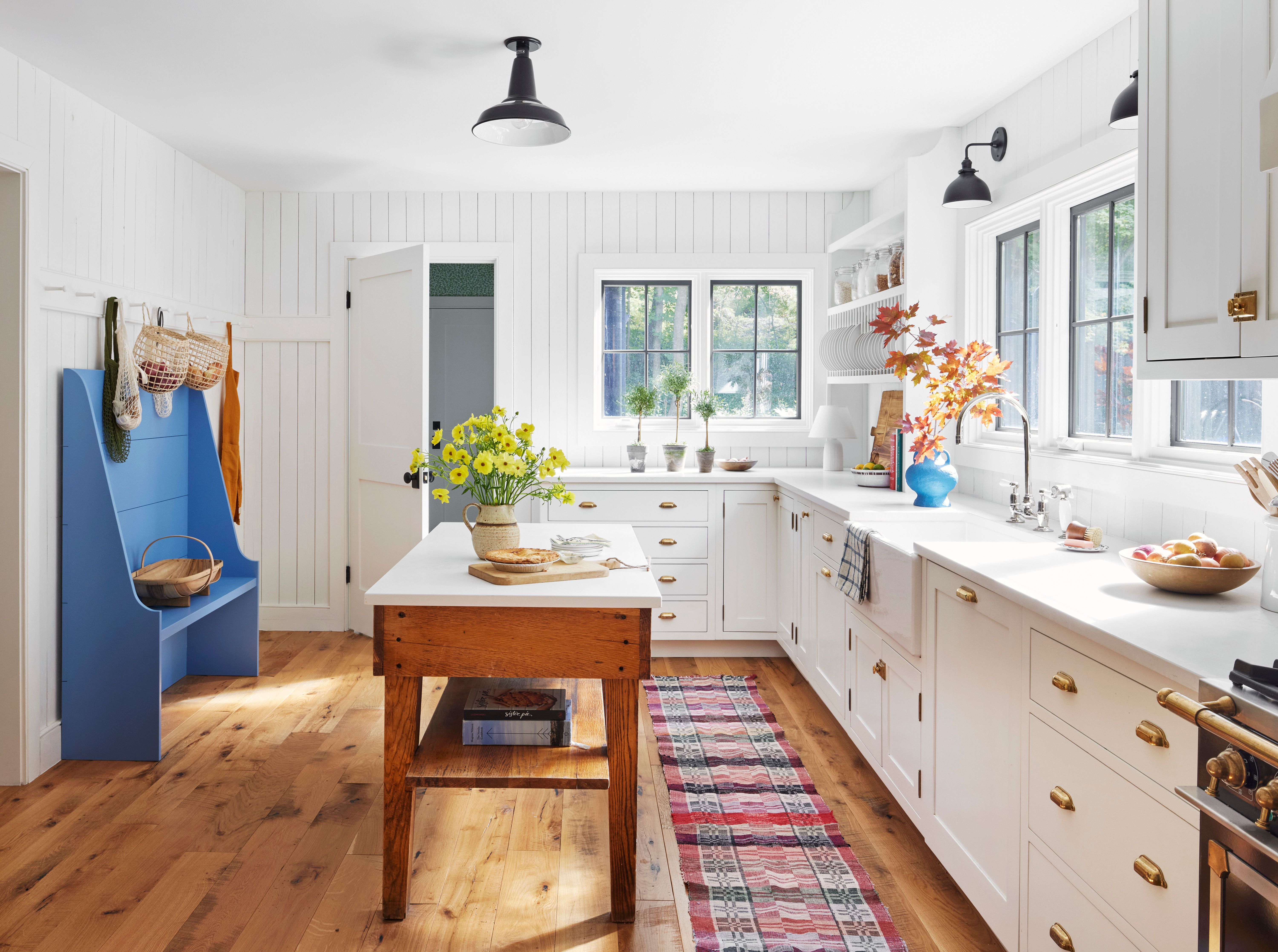
Matte black and brushed brass aren't just passing fads; they are the defining finishes of 2026 kitchen design. While polished chrome once dominated the market, homeowners are shifting toward finishes that offer depth and warmth. Matte black provides a sharp, grounding contrast to light cabinetry, while brushed brass adds a touch of organic luxury without feeling overly ornate.
The appeal lies in their ability to bridge modern minimalism with traditional warmth. A matte black pull feels sturdy and intentional, hiding the daily wear of a busy kitchen. Brushed brass, on the other hand, catches the light softly, creating a subtle glow that makes a space feel inviting rather than sterile. Together, they create a balanced aesthetic that works in both contemporary and transitional kitchens.
This shift reflects a broader desire for tactile, high-quality details. We are moving away from invisible hardware toward pieces that act as jewelry for the kitchen. The texture of these finishes invites touch, making the act of opening a drawer or cabinet slightly more satisfying. As we look at the top picks for 2026, these two finishes will likely account for the majority of our recommendations, offering versatility and lasting style.
Best overall matte black cabinet pulls
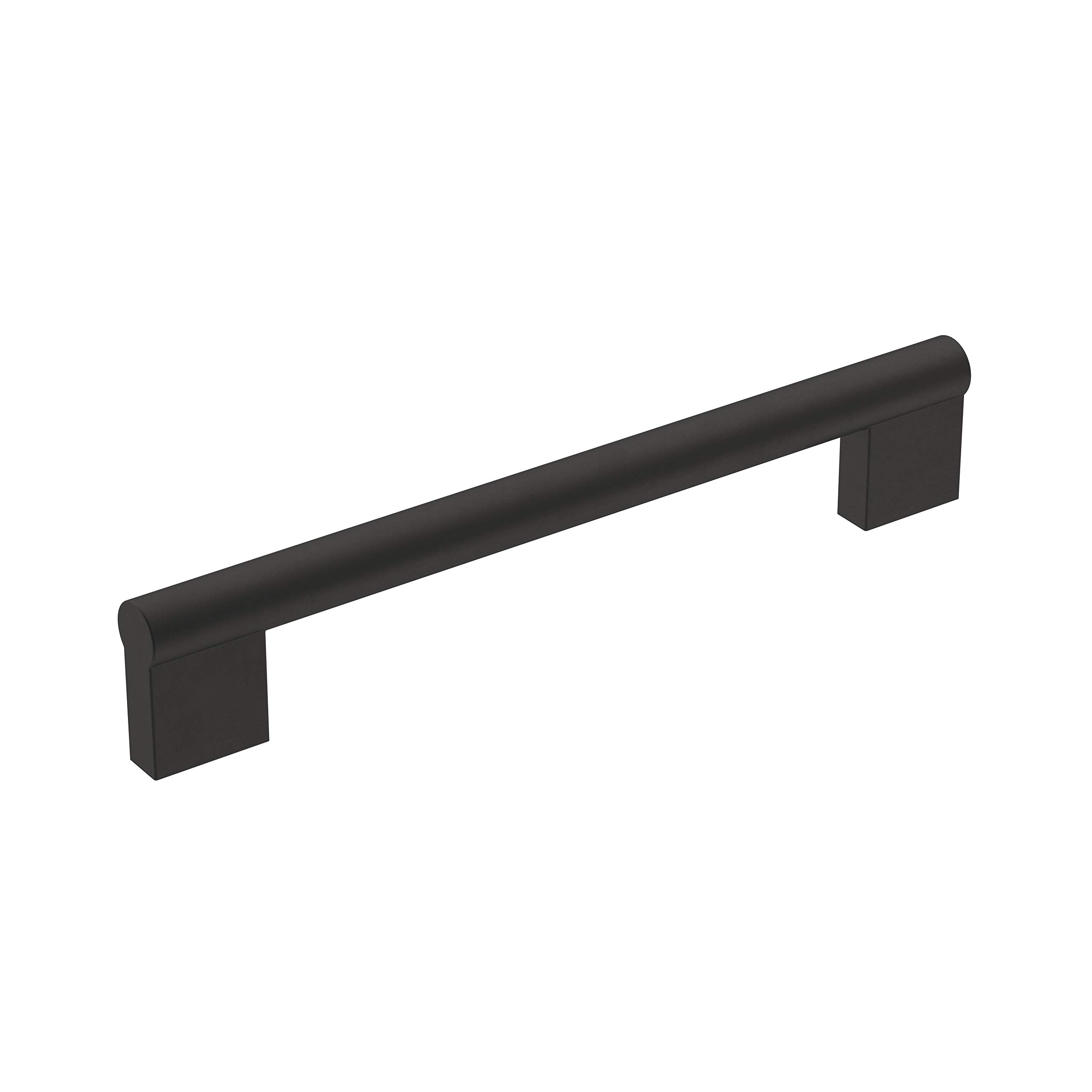
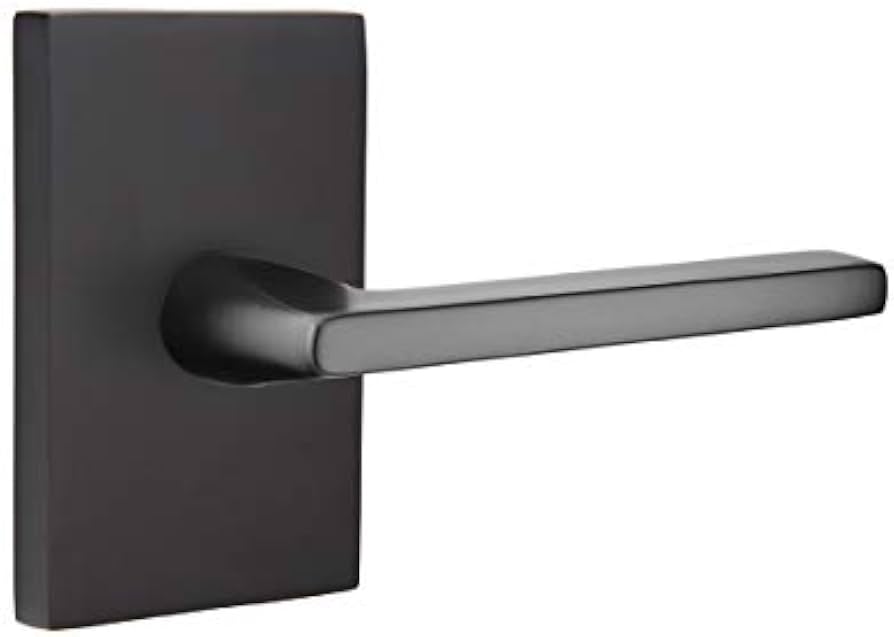
Matte black hardware has moved from a niche choice to a kitchen staple, but not all finishes are created equal. The difference between a premium pull and a budget option usually comes down to the coating process and the base metal. Cheap matte black pulls often feel plasticky or chip easily under daily use, while higher-end options use electrostatic powder coating or PVD (physical vapor deposition) finishes that resist scratches and fingerprints.
When shopping for the best matte black cabinet pulls, look for solid zinc alloy or stainless steel bodies. These materials hold their shape and weight better than hollow aluminum or thin stamped steel. A heavy pull also feels more substantial when opening a drawer, signaling quality to anyone who uses your kitchen.
The finish should be uniform with no glossy spots or uneven patches. Brushed brass offers warmth, but matte black demands precision in its application to maintain that flat, modern look. We’ve selected top-rated options on Amazon that balance durability, aesthetic consistency, and value for homeowners renovating in 2026.


As an Amazon Associate, we may earn from qualifying purchases.
Top brushed brass drawer pulls for modern kitchens
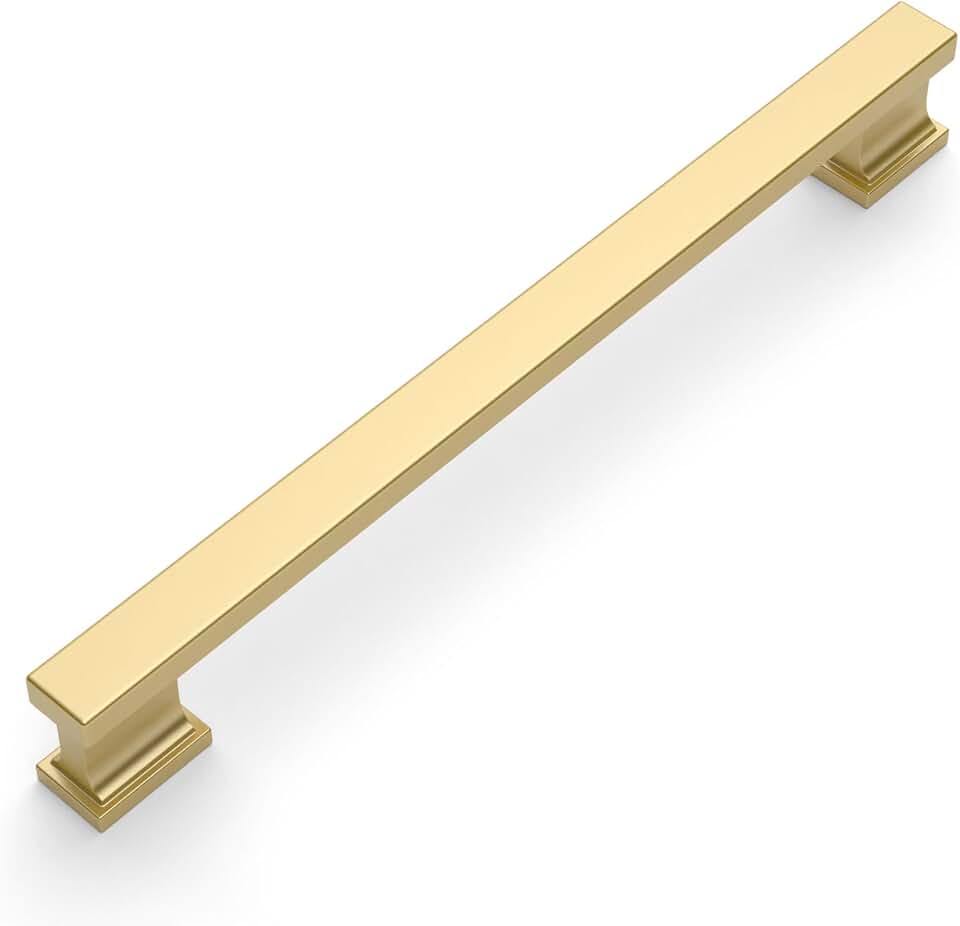
Brass has returned to the forefront of kitchen design, but not all "brass" pulls are created equal. The finish you choose dictates how the hardware ages, how it feels to the touch, and how much maintenance it requires. For modern kitchens, brushed brass offers a warm, sophisticated alternative to stark stainless steel or matte black, softening the look of cabinetry without feeling overly ornate.
When shopping for these pulls, you will encounter three distinct categories: true brass, brass-plated, and unlacquered brass. Understanding the difference helps you pick the right balance of durability and aesthetic for your space.
True Brass vs. Brass-Plated
True brass pulls are made from solid brass alloy. They are heavy, substantial, and generally more expensive. The color is consistent throughout the material, so minor scratches are less noticeable over time. Brass-plated pulls, on the other hand, consist of a base metal (often zinc or steel) coated with a thin layer of brass. They are lighter and more affordable, but the plating can wear away at high-touch areas like the ends of long pulls, revealing the base metal underneath. For a modern kitchen that sees heavy use, solid brass offers better longevity, while plated options work well for low-traffic pantries or decorative cabinets.
The Unlacquured Brass Option
Unlacquered brass (often called "raw" or "natural" brass) is a popular choice for those who want a unique, evolving look. Unlike lacquered brass, which has a clear protective coating to prevent tarnishing, unlacquered brass is left bare. This means it will naturally develop a patina over time, darkening and changing hue based on the oils from your hands and the humidity in your kitchen. Some homeowners love this organic, lived-in character, while others prefer the consistent shine of lacquered finishes. If you choose unlacquered brass, expect to embrace its changing personality rather than fighting it.
Visual Quality: Matte vs. Brushed
The texture of the finish matters just as much as the material. A "brushed" finish involves mechanical abrasion to create fine, parallel lines in the metal surface. This texture helps hide fingerprints, smudges, and minor scratches, making it a practical choice for busy kitchens. A "matte" brass finish is often achieved through a chemical or physical process that removes shine entirely, resulting in a flat, non-reflective surface. Matte finishes look sleek and modern but can show water spots and fingerprints more easily than brushed variants. For a warm, inviting look that remains clean-looking with minimal effort, brushed brass is usually the safer bet.


As an Amazon Associate, we may earn from qualifying purchases.
Comparing finish quality and material weight
When it comes to cabinet pulls, the difference between a cheap zinc alloy and solid metal is like the difference between a paper clip and a solid steel chain. Zinc hardware often feels light, hollow, and prone to breaking if you overtighten the screws. Solid metals like brass, bronze, or stainless steel offer substantial heft that signals durability and quality.
The finish also plays a huge role in how the pull ages. Matte black finishes can look sleek but may chip or scratch easily if the coating is thin. Brushed brass, on the other hand, tends to hide fingerprints and minor wear better, developing a patina that many homeowners find appealing over time.
To help you decide, here is a quick comparison of the key specs for some of the top-rated pulls in this category. Pay close attention to the material and weight, as these are the strongest indicators of long-term durability.
| Product | Material | Finish | Weight |
|---|---|---|---|
| Schoolhouse Hardware Pull | Solid Brass | Matte Black | Heavy |
| BrassCraft Brushed Pull | Solid Brass | Brushed Brass | Heavy |
| Budget Zinc Pull | Zinc Alloy | Matte Black | Light |
| Stainless Steel Modern Pull | Stainless Steel | Brushed Nickel | Medium-Heavy |
How to measure for new cabinet handles
Before you commit to a new style like matte black or brushed brass, the most critical step is ensuring the hardware fits your existing cabinetry. The golden rule of cabinet pulls is the center-to-center measurement. This is the distance between the center of one screw hole and the center of the other. If you are replacing old pulls, you don’t need to buy new drilling templates; you just need a tape measure and a bit of patience.
Measure the existing holes
Grab a tape measure and place the zero mark directly in the center of one screw hole. Extend the tape to the center of the opposite hole. This number is your center-to-center distance. Common sizes are 3 inches, 5 inches, or 9 19/32 inches. If your measurement falls between standard sizes, you have two options: drill new holes or find a pull that matches your odd measurement. Most hardware retailers list these standard sizes clearly in the product specifications.
Check the backset
While center-to-center is the main metric, also check the backset. This is the distance from the edge of the cabinet door to the center of the screw hole. Most standard kitchen cabinets use a 1-1/2 inch or 2-1/8 inch backset. If you are installing hardware on a drawer front that is thinner or thicker than usual, the backset determines whether the screw will stick out too far or not reach through the wood.
Verify hole depth and width
Older cabinets sometimes have counter-sunk holes that are wider than modern screws. If your new matte black pulls have small, flat washers or tight-fitting screws, you might need to fill the old holes with wood putty and drill new ones. This is especially true if you are switching from a large, ornate knob to a sleek, minimalist bar pull. A clean, precise hole makes a huge difference in the final visual quality of the finish.
Use a template if drilling
If you need to drill new holes, do not guess. Buy a hardware template. These are cheap, reusable cardboard or plastic guides that ensure your new pulls are perfectly aligned. Even if you are keeping the same center-to-center distance, old holes may have shifted slightly over time. A template guarantees your new brushed brass or matte black pulls will sit straight, giving your kitchen a professional, custom look without the frustration of crooked hardware.
Frequently Asked Questions About Cabinet Hardware
How do I clean matte black pulls without damaging the finish? Matte black finishes are generally low-maintenance but sensitive to harsh chemicals. Use a soft, dry microfiber cloth to remove dust and fingerprints. For deeper cleaning, use a mild soap and water solution, then dry immediately. Avoid abrasive scrubbers or acidic cleaners, which can strip the coating and leave shiny spots.
Can I mix matte black and brushed brass in the same kitchen? Yes, mixing metals works well when you establish a clear ratio. A common approach is to use matte black for upper cabinets and brushed brass for lower ones, or to stick to one finish for the main cabinetry and use the other for an island or pantry. The key is consistency; avoid using both randomly across different drawers.
Do I need to use spacers when installing cabinet pulls? Spacers are essential for ensuring your pulls are perfectly aligned, especially on larger cabinets or drawers. Without them, even a slight shift in the template can result in a crooked installation that is difficult to correct. Many hardware kits include plastic spacers, or you can use a simple piece of cardboard cut to the correct distance between screw holes.
No comments yet. Be the first to share your thoughts!