
Why finish matters most
The finish you choose for your best cabinet pulls sets the visual temperature of the entire kitchen. While the pull shape defines the silhouette, the surface texture and color determine how light interacts with the cabinetry and how the hardware ages over time. In modern design, two finishes currently dominate the landscape: brushed brass and matte black. These choices are not merely aesthetic; they dictate maintenance routines and long-term durability.
Brushed brass offers warmth without the high-maintenance shine of polished gold. Its textured surface diffuses light, hiding fingerprints and minor scratches better than a mirror-like finish. It pairs naturally with white oak, cream countertops, and soft green cabinetry, creating a grounded yet airy feel. Matte black, conversely, provides sharp contrast against light wood or white cabinets. It anchors the space, drawing the eye to the hardware as intentional accents rather than background noise.
When selecting finishes for your best cabinet pulls, consider the existing metal fixtures in the room. Mixing brass faucets with black pulls can work if balanced carefully, but sticking to one primary metal family usually yields a cleaner, more cohesive modern look. The goal is hardware that complements the daily wear of a busy kitchen while maintaining its intended character.
Top brushed brass picks
Brushed brass has moved from a niche retro choice to a staple in modern kitchen design. The finish offers warmth without the high-maintenance shine of polished gold, making it a practical yet stylish option for high-traffic areas. When selecting the best cabinet pulls, focus on the weight of the metal and the consistency of the finish.
The following options represent some of the most reliable brushed brass pulls available, chosen for their design integrity and build quality. These selections span mid-century modern, minimalist, and traditional styles, ensuring there is a match for any kitchen aesthetic.
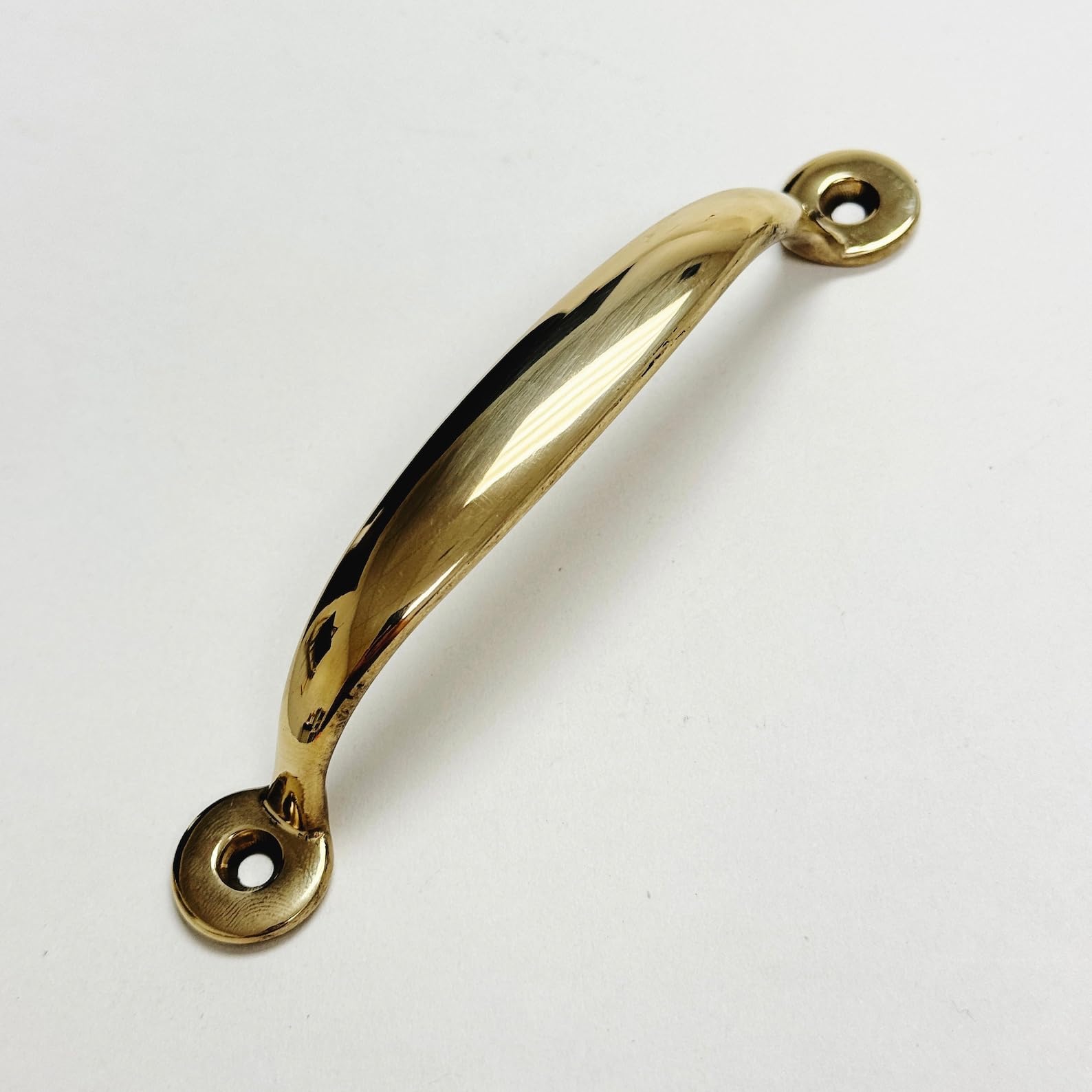
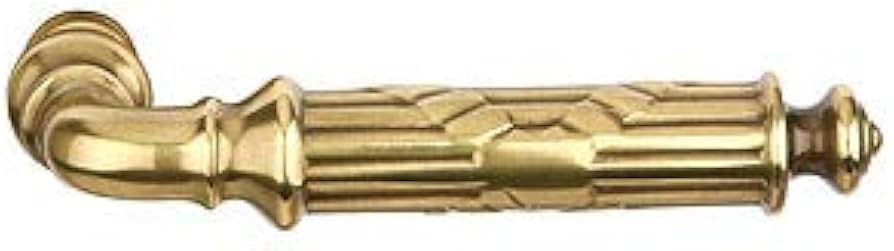
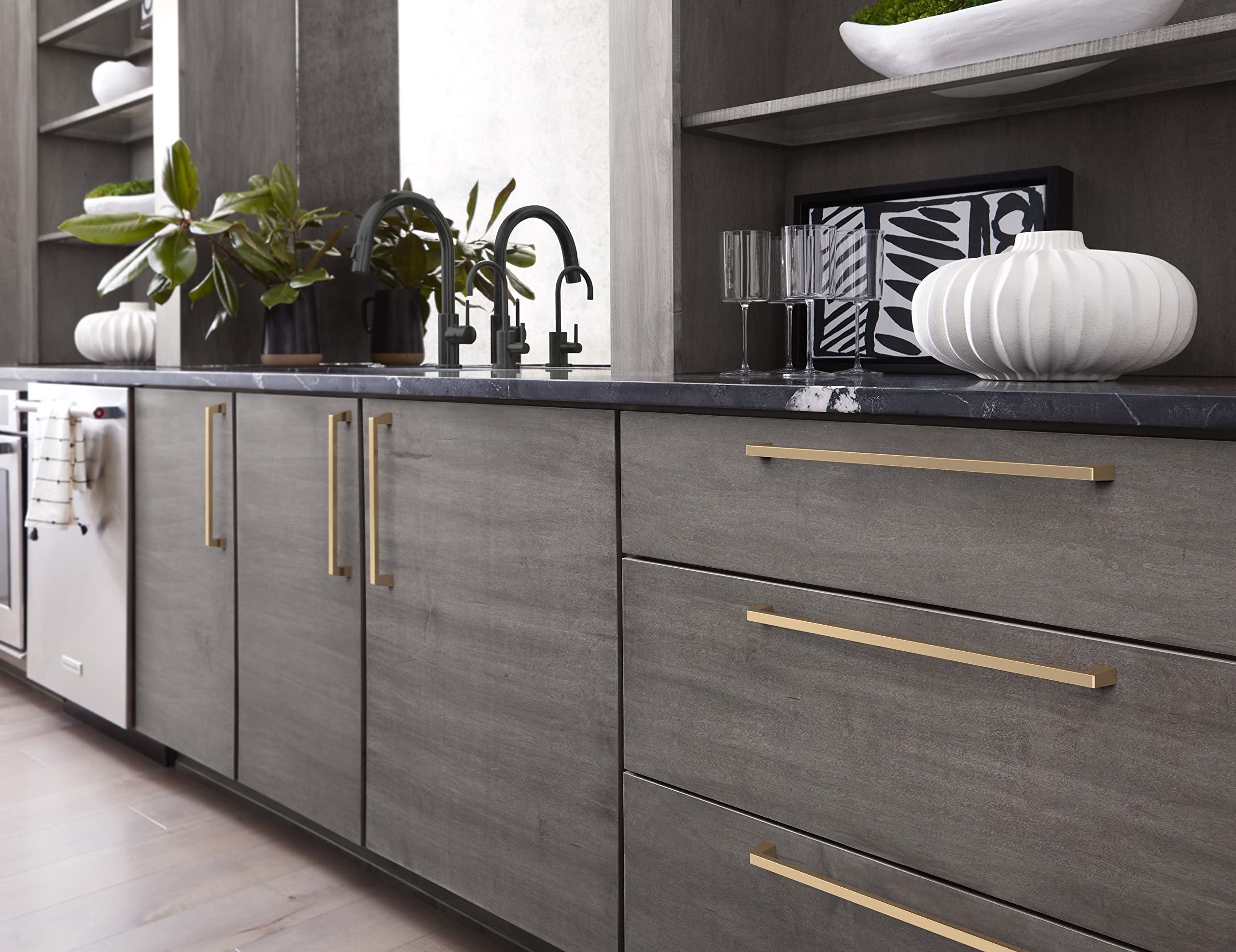
As an Amazon Associate, we may earn from qualifying purchases.
Each of these pulls brings a distinct character to cabinetry. The Top Knobs Everly offers a timeless mid-century look that pairs well with both light and dark wood tones. Emtek’s Lomond provides a softer, more organic feel with its rounded edges, ideal for modern farmhouse or transitional kitchens. For those seeking a budget-friendly option that doesn’t compromise on style, the Brainerd and Amerock pulls deliver solid brass quality at accessible price points.
When shopping for brushed brass, verify that the product is made of solid brass rather than plated zinc. Solid brass pulls feel heavier and resist bending under stress, ensuring they remain functional and attractive for years. The brushed texture also helps hide fingerprints and minor scratches, making it a low-maintenance choice for busy households.
Best matte black cabinet pulls
Matte black hardware creates a striking anchor in modern kitchens, particularly when paired with light oak, white, or soft gray cabinetry. The finish absorbs light rather than reflecting it, which grounds the space and adds a layer of industrial sophistication without overwhelming the room. Unlike polished chrome or brushed nickel, matte black offers a consistent, uniform look that hides fingerprints and smudges better than most metallic finishes, making it a practical choice for high-traffic areas.
When selecting matte black pulls, the texture of the coating matters as much as the shape. A high-quality powder-coated or PVD (Physical Vapor Deposition) finish ensures the black color doesn't chip or fade over time, maintaining its depth and contrast. Look for pulls with clean lines and substantial weight; lighter, thinner pulls can feel cheap and fail to provide the tactile satisfaction expected from premium hardware. The interplay between the dark metal and the smooth surface of the cabinets creates a visual rhythm that defines the kitchen's character.
The following options represent some of the most reliable matte black pulls available, selected for their durability, finish quality, and design versatility.
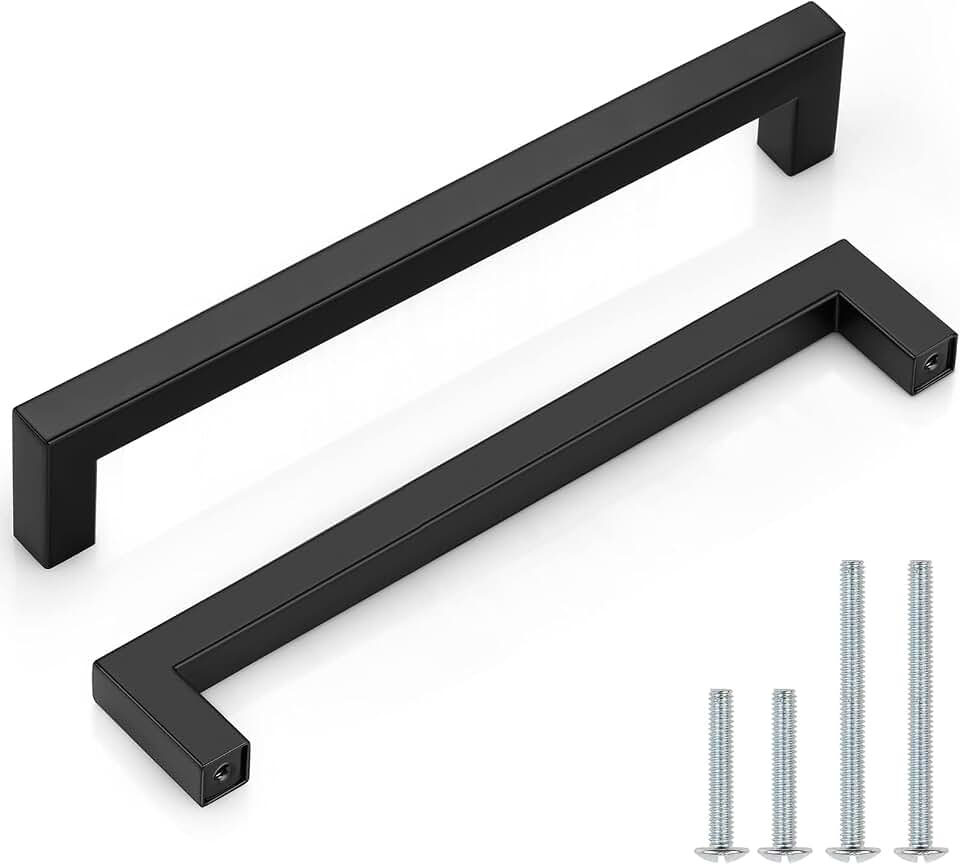


As an Amazon Associate, we may earn from qualifying purchases.
Choosing the right size and spacing for cabinet pulls
Selecting the correct dimensions for modern cabinet pulls ensures your kitchen hardware functions smoothly and maintains a clean aesthetic. The two most critical measurements are the pull length and the center-to-center spacing, which determines where you drill the mounting holes. Getting these numbers wrong can result in pulls that look cramped on large drawers or appear lost on small doors.
Measuring center-to-center spacing
Center-to-center spacing is the distance between the middle of one mounting hole and the middle of the other. This is the most important specification because it dictates whether the pull will fit your existing cabinet or if you need to drill new holes. Standard drawer pulls typically come in common increments like 3-inch, 5-inch, 96mm, or 128mm. If you are replacing old hardware, measure the existing holes first. If you are installing new pulls on a blank surface, use a template or a spacer block to ensure perfect alignment before drilling.
Matching pull length to cabinet size
The length of the pull should be proportional to the cabinet door or drawer width. A good rule of thumb for modern kitchens is to choose a pull that is roughly one-third to one-half the width of the drawer front. For example, a 24-inch wide drawer looks balanced with a 9-inch or 12-inch pull. On smaller 6-inch cabinet doors, a 3-inch pull is usually sufficient. Avoid placing overly long pulls on small doors, as they can look awkward and become prone to snagging.
Comparison of common pull sizes
The table below outlines standard pull sizes and their ideal cabinet applications. Use this guide to select the best cabinet pulls that fit your specific cabinet dimensions.
| Pull Length | Center-to-Center Spacing | Ideal Cabinet/Drawer Width | Best Use Case |
|---|---|---|---|
| 3 inch | 3 inch | 6-12 inch | Small cabinet doors |
| 5 inch | 5 inch | 12-18 inch | Standard upper cabinet doors |
| 9 inch | 96mm | 18-24 inch | Medium drawers |
| 12 inch | 128mm | 24-36 inch | Large base drawers |
| 16 inch | 160mm | 36+ inch | Wide pantry or island drawers |
Installation checklist
Installing cabinet pulls requires precision and the right tools to ensure a professional result. Follow this sequence to avoid misaligned holes or damaged cabinetry.
- Confirm prerequisites: Verify that your new pulls match the existing hole spacing or that you are prepared to drill new holes. Ensure you have the correct drill bit size for your screws.
- Mark your holes: Use a template or a spacer block to mark the exact center points for your mounting holes. Double-check measurements before drilling.
- Drill pilot holes: Drill pilot holes slightly smaller than your screw diameter to prevent the wood from splitting. Keep the drill perpendicular to the surface.
- Attach the pulls: Insert the screws from the inside of the cabinet or drawer and tighten the pulls from the outside. Do not overtighten, as this can strip the threads or damage the finish.
- Test the result: Open and close the drawers and doors to ensure the pulls do not interfere with adjacent cabinets or handles.
Common hardware: what to check next
Choosing the right cabinet pulls involves more than just picking a style; it requires understanding how these pieces interact with your kitchen’s daily life. From cleaning routines to mixing metal finishes, here are the most frequent questions homeowners ask when upgrading their best cabinet pulls.
How do I clean and maintain modern cabinet pulls?
Most modern pulls, particularly those with matte black or brushed nickel finishes, require gentle care to avoid scratching or dulling the coating. Use a soft, damp cloth with mild soap and water for routine cleaning. Avoid abrasive cleaners, steel wool, or harsh chemicals, which can strip protective coatings and cause tarnishing. For stainless steel or polished chrome, a specialized metal polish can restore shine, but always test on a small, hidden area first.
Can I mix different metal finishes in one kitchen?
Mixing finishes is a popular design strategy that adds depth and visual interest to a modern kitchen. The key is balance: use one dominant finish for the majority of your cabinet pulls and introduce a secondary finish for islands, open shelving, or appliance handles. For example, pairing brushed brass pulls on main cabinets with matte black handles on an island creates a curated, high-end look. Ensure the metals share similar undertones to maintain cohesion.
What is the return policy for cabinet hardware?
Return policies vary significantly by retailer. Many major hardware suppliers, such as Knobs.co, offer generous return windows and price-match guarantees, allowing you to order samples or multiple finishes to test in your space before committing. However, custom or made-to-order pulls often have stricter return policies. Always check the specific retailer’s terms regarding unused condition and restocking fees before purchasing large quantities.
No comments yet. Be the first to share your thoughts!