
Why modern cabinet pulls matter
Hardware is the jewelry of the kitchen. Small changes in finish and form can shift the entire aesthetic of a room, turning a dated space into a contemporary sanctuary without the cost of a full remodel. Modern cabinet pulls act as the focal point, drawing the eye and grounding the design language of the cabinetry.
The current landscape favors matte black and brushed brass finishes. Matte black offers a sharp, graphic contrast against light wood or white cabinetry, while brushed brass adds warmth and a touch of mid-century elegance. These finishes are not just trends; they are durable, practical choices that resist fingerprints and withstand daily use.
Choosing the right modern cabinet pulls involves balancing style with ergonomics. The pull should feel comfortable in the hand and complement the scale of the cabinet door. By focusing on high-quality materials and timeless finishes, you can create a kitchen that feels both current and enduring.
Best black modern cabinet pulls
Matte black finishes have become a staple in contemporary kitchen design, offering a sharp contrast to light cabinetry and warm wood tones. Unlike glossy black paints that can show fingerprints and chips easily, matte and satin black finishes rely on durable powder-coating or PVD (Physical Vapor Deposition) treatments to withstand daily use. The goal is to find pulls that maintain their color integrity and resist corrosion, especially in high-humidity environments.
When evaluating black cabinet pulls, focus on the base material. Solid brass or stainless steel cores with a high-quality black coating outperform thin zinc alloys, which can crack or peel over time. Silhouettes ranging from slim bar pulls to geometric handles allow for a clean, uncluttered look that aligns with modern minimalism.
The following Amazon selections represent top-rated options in matte black hardware, balancing aesthetic appeal with functional durability.
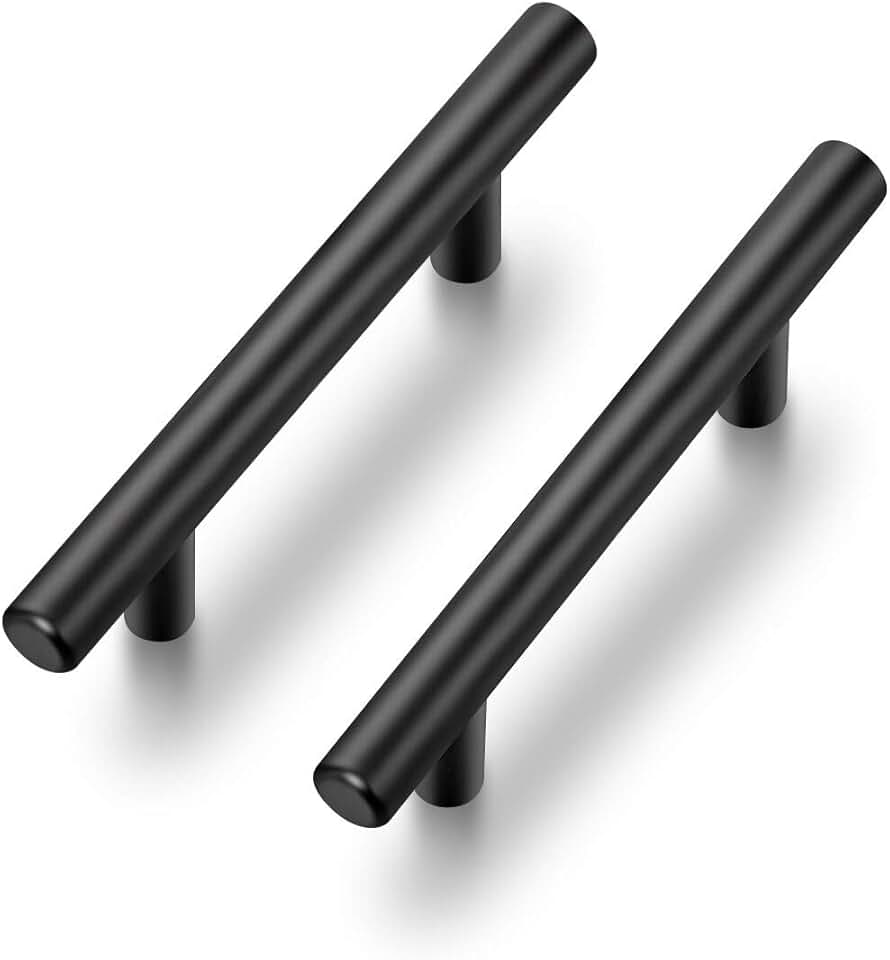


As an Amazon Associate, we may earn from qualifying purchases.
Top brushed brass drawer pulls
Brushed brass has moved from traditional kitchens to contemporary spaces, offering a warm alternative to the cool tones of stainless steel or matte black. The finish works by diffusing light across a textured surface, which hides fingerprints better than polished brass while maintaining a rich, golden hue. This makes it a practical choice for high-traffic areas like kitchen islands and pantry cabinets.
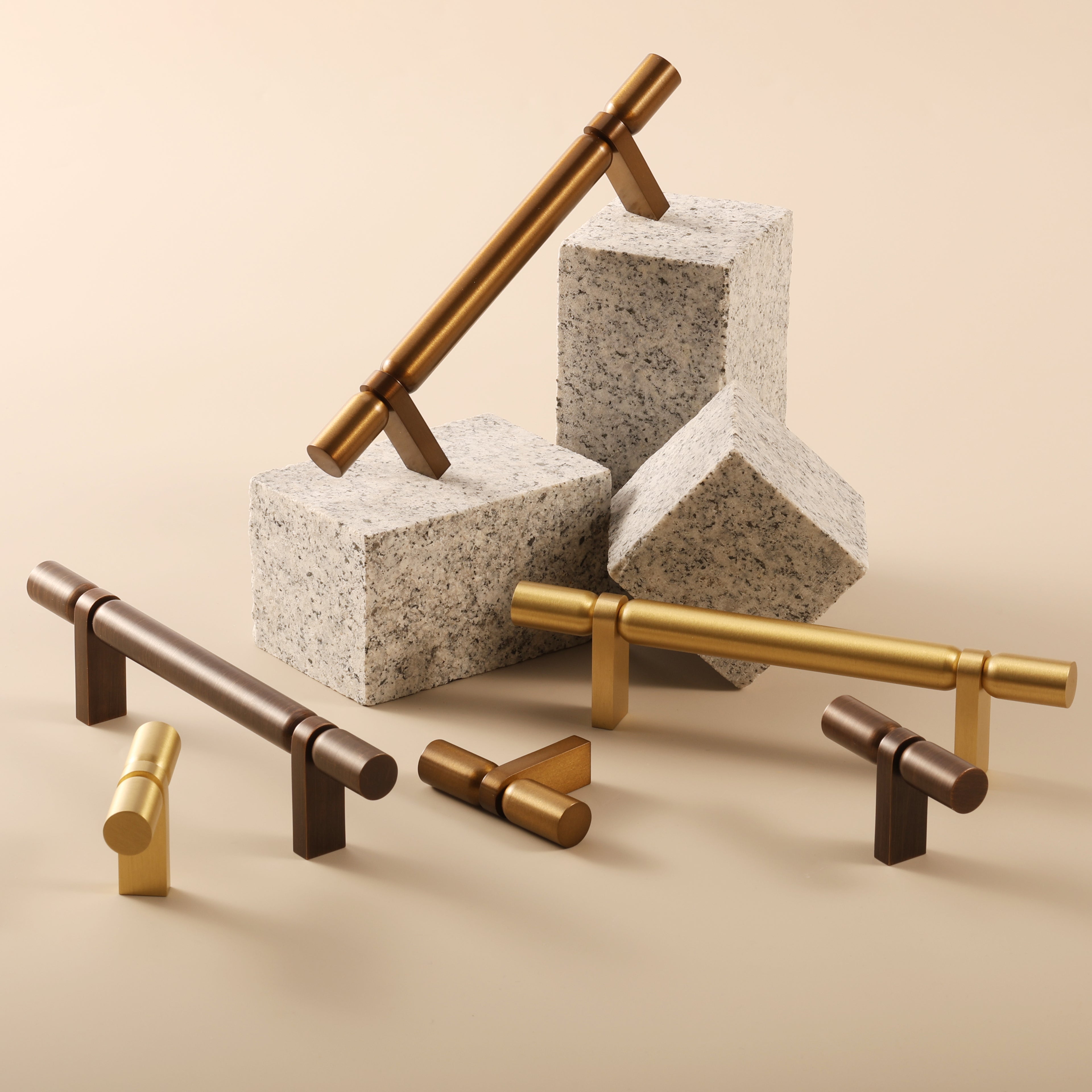
When selecting brushed brass, the distinction between "warm antique" and "modern satin" is critical. Warm antique brass features deeper, richer tones with slight variations in patina, evoking a vintage feel. Modern satin brass is lighter, more uniform, and closer to a pale gold, aligning with minimalist and Scandinavian design trends. Choosing the right tone depends on your existing metal finishes and the overall warmth of your kitchen palette.
The quality of the underlying metal matters as much as the finish. Solid brass pulls offer substantial weight and durability, resisting bending or warping over time. Look for hardware labeled as "solid brass" rather than "brass-plated" to ensure longevity. The brushing process also affects the tactile experience; a finer brush provides a smoother feel, while a coarser brush adds visual texture.
Below are several highly rated brushed brass options that balance aesthetic appeal with functional design. These selections range from sleek, modern profiles to more traditional shapes, all finished in durable brushed brass.

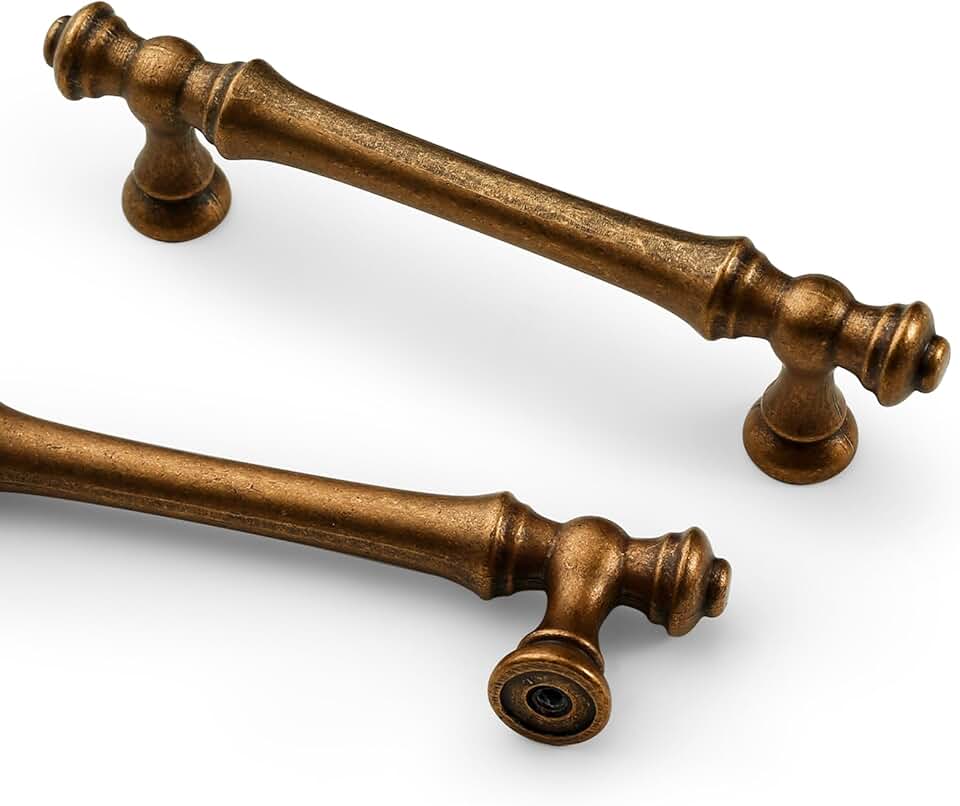

As an Amazon Associate, we may earn from qualifying purchases.
How to choose the right size
Selecting the correct cabinet pull size is less about following rigid rules and more about maintaining visual balance. The most critical measurement is the center-to-center distance—the space between the two screw holes. This number dictates the pull’s length and how it interacts with the cabinet door or drawer front. A pull that is too short can look lost on a large surface, while one that is too long may overwhelm the design or interfere with adjacent hardware.
For standard base and wall cabinets, a 4-inch to 6-inch center-to-center pull is the industry standard. This range offers a comfortable grip without protruding excessively into the kitchen workspace. On deeper drawers or wide pantry doors, you can extend this to 9.6 inches or 12.8 inches. These longer pulls act as visual anchors, grounding the heavier cabinetry and providing ample leverage for opening heavy loads.
When measuring, always account for the overall proportion of the door. A good rule of thumb is to place the pull at the bottom corner of an upper cabinet door or the top corner of a lower drawer. This creates a consistent visual rhythm throughout the kitchen. If you are mixing knobs and pulls, ensure the pulls are substantial enough to stand up to the visual weight of the knobs elsewhere.
To help you compare options based on these dimensions, here is a quick breakdown of common pull sizes and their best applications.
Installation tips for new hardware
Replacing cabinet pulls is one of the most effective ways to update a kitchen without the cost or dust of a full renovation. The process is straightforward, but precision is the difference between a professional finish and a frustrating project. Modern cabinet pulls often feature heavier solid brass or matte black finishes, which means the mounting hardware must sit flush against the cabinet face to avoid wobbling or misalignment.

Before buying new pulls, measure the center-to-center distance of your existing screw holes. If your new modern cabinet pulls match this spacing exactly, you can reuse the existing holes. This saves time and prevents unsightly gaps if the old finish differs from the new one. Use a tape measure for accuracy; even a quarter-inch error will misalign the pull.
If you are switching to a different size or style, you must drill new holes. Use painter’s tape to mark the new center points. This prevents the drill bit from slipping and scratching your cabinet finish. Place the new pull over the marks to double-check alignment before making any permanent changes.

Use a drill bit slightly smaller than the mounting screws to create pilot holes. Drill straight in, perpendicular to the cabinet surface. Going too deep can damage the interior of the cabinet box. For particleboard or MDF cabinets, go slowly to prevent the material from splintering around the edges of the hole.
Insert the screws from the inside of the cabinet through the back of the pull. Hand-tighten first to ensure the pull sits flat. Then, use a screwdriver to secure it firmly. Avoid over-tightening, which can strip the threads in softer woods or damage the finish of the pull itself.
Taking the time to measure twice and drill straight ensures your new hardware lasts. Whether you are keeping the original holes or creating new ones, this simple process yields a high-end look with minimal effort.
Frequently asked: what to check next
Which finish lasts the longest on modern cabinet pulls?
Solid brass and high-quality PVD (Physical Vapor Deposition) finishes offer the best durability for high-use kitchens. Unlike plated finishes that can chip or peel over time, PVD coatings are fused to the metal at a molecular level, resisting scratches and tarnishing. For a long-term investment in modern kitchen cabinet pulls, choose solid materials over hollow stamped metal or thin plating.
Can I mix metal finishes in my kitchen?
Mixing metals is a standard practice in contemporary design, provided you maintain a clear hierarchy. Use one dominant finish for your primary hardware, such as matte black or brushed nickel, and introduce a secondary metal like polished brass or chrome for accents or lighting fixtures. This approach prevents visual clutter while adding depth to the space.
Where should I buy quality modern cabinet hardware?
For reliable sourcing, look to specialty retailers and established hardware brands. Stores like CB2 and Knobs4Less offer curated selections of contemporary designs, while brands like Emtek and Top Knobs provide extensive catalogs of premium pulls and knobs. These sources typically vet their materials for weight and finish consistency, which are key indicators of quality.
No comments yet. Be the first to share your thoughts!