
The Rise of Warm Metals
For years, chrome and brushed nickel reigned supreme in kitchen and bathroom hardware. Now, we’re seeing a distinct shift towards warmer tones, and brass is leading the charge. This isn't about abandoning modern aesthetics; it's about adding depth and personality. People are craving spaces that feel inviting and comfortable, and cooler metals can sometimes read as sterile.
This move towards warm metals isn’t entirely new. Brass has a long history in decorative hardware, appearing in Victorian-era homes and Art Deco designs. What’s happening now feels less like a fleeting trend and more like a return to classic elegance. It’s a rejection of the stark minimalism that dominated the last decade, and a nod to craftsmanship and enduring style.
The appeal goes beyond aesthetics. Brass offers a tactile warmth that cooler metals lack. It plays beautifully with natural light, creating a soft glow. And, importantly, it’s versatile. Brass can be incorporated into a wide range of design styles, from traditional to contemporary, making it a safe—and stylish—investment for homeowners.
Signature Hardware is already highlighting 'Home Trends for 2026' that emphasize this shift. While they haven't specifically called out brass exclusively, the focus on warmer, more inviting spaces points directly to its continued popularity. This isn’t a momentary blip; it’s a fundamental change in how people want their homes to feel.
Brass Variations: Beyond ‘Just Brass’
The term "brass’ encompasses a surprisingly wide spectrum of finishes. It"s not simply one color, and selecting the right shade is crucial for achieving the desired look. Antique brass, as offered by Forge Hardware Studio, is a popular choice for its aged, slightly muted appearance. It lends a sense of history and character to any space.
Polished brass, on the other hand, is bright and reflective, offering a more glamorous aesthetic. It requires more upkeep to maintain its shine, but the effect can be stunning. Satin brass provides a softer, more subtle sheen, striking a balance between the boldness of polished brass and the rustic charm of antique brass. It’s a very forgiving finish, hiding fingerprints and smudges well.
Oil-rubbed bronze often falls into the brass family, despite its darker hue. It’s created through a chemical process that darkens the brass, giving it a rich, almost chocolatey appearance. It’s a great option for those who want a warm metal tone but prefer a more understated look. The manufacturing process for these finishes varies, often involving multiple layers of coating and polishing.
The underlying brass alloy itself also plays a role. Different ratios of zinc and copper affect the color and durability of the finish. Higher copper content generally results in a warmer, more reddish tone, while higher zinc content creates a paler, more yellow hue. Understanding these nuances allows you to choose a brass finish that perfectly complements your design scheme.
- Antique Brass: Aged, muted, and full of character.
- Polished Brass: Bright, reflective, and glamorous.
- Satin Brass: Soft sheen, subtle, and forgiving.
- Oil-Rubbed Bronze: Dark, rich, and understated.
Brass Finish Comparison: Appearance, Durability, Maintenance & Application
| Finish | Appearance | Durability | Maintenance | Best Suited For |
|---|---|---|---|---|
| Antique Brass | Characterized by a darkened, aged look with varied tones. Often exhibits intentional patina and imperfections. | Generally good; the darker finish hides minor scratches. Susceptible to some tarnishing over time, but this often *adds* to the desired aesthetic. | Moderate. Occasional cleaning with a mild soap and water solution. Avoid harsh polishes which can remove the antique effect. | Kitchens with farmhouse, vintage, or traditional styles; furniture pieces; bathrooms seeking a rustic aesthetic. |
| Polished Brass | Bright, reflective, and golden yellow. Offers a clean and modern appearance. | Moderate. Shows scratches and fingerprints more readily than other finishes. | Regular polishing is required to maintain its shine. Tarnishes relatively quickly if not maintained. | Traditional kitchens, bathrooms aiming for a luxurious look, and furniture where a high-shine finish is desired. |
| Satin Brass | A softer, brushed finish with a subtle sheen. Less reflective than polished brass. | Good. The brushed texture helps conceal minor scratches. | Low to Moderate. Periodic cleaning with a soft cloth. Polishing is generally not necessary, and can diminish the satin effect. | Kitchens, bathrooms, and furniture with transitional or contemporary styles. Versatile for a wide range of design schemes. |
| Oil-Rubbed Bronze (with Brass Undertones) | A dark, rich brown with hints of brass. Offers a warm, understated elegance. | Very Good. The darker finish effectively hides scratches and wear. Highly resistant to tarnishing. | Low. Requires minimal maintenance – occasional dusting or wiping with a damp cloth. | Kitchens with rustic, Tuscan, or old-world designs; bathrooms seeking a sophisticated, yet understated look; furniture. |
Illustrative comparison based on the article research brief. Verify current pricing, limits, and product details in the official docs before relying on it.
Brass and Kitchen Styles: Finding the Fit
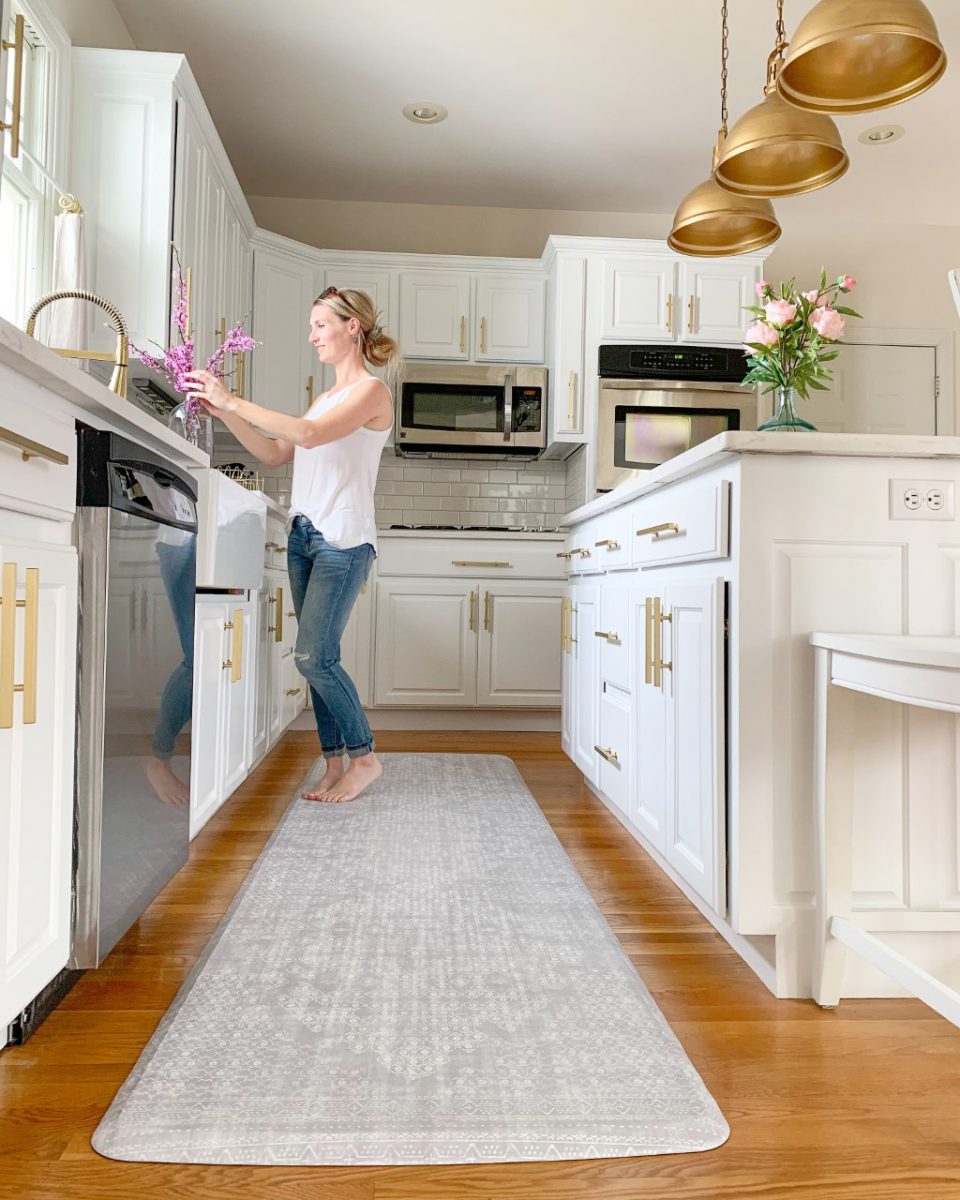
Brass drawer pulls are remarkably versatile and can enhance a variety of kitchen styles. In modern kitchens, brass provides a warm counterpoint to sleek, minimalist cabinetry and stainless steel appliances. Pairing brass hardware with white or gray cabinets creates a sophisticated and inviting atmosphere.
Farmhouse kitchens benefit from the inherent warmth and rustic charm of brass. It complements natural wood tones, shiplap walls, and apron-front sinks beautifully. Antique brass, in particular, feels right at home in a farmhouse setting. Consider brass pulls with a slightly distressed finish to enhance the rustic aesthetic.
Transitional kitchens, which blend traditional and modern elements, offer a lot of flexibility with brass. You can pair brass hardware with painted cabinets in shades of blue, green, or gray. Brass also works well with quartz countertops, adding a touch of luxury and warmth. The key is to balance the warm and cool tones carefully.
Even traditional kitchens can benefit from brass hardware. It’s a natural fit for raised-panel cabinets, ornate detailing, and rich wood finishes. Pairing brass with dark wood cabinets and marble countertops creates a timeless and elegant look. Don't be afraid to mix different brass finishes within a traditional kitchen – a polished brass pull on a pantry door and an antique brass knob on a cabinet can create visual interest.
Bathroom Brass: A Luxurious Touch
Extending brass hardware into the bathroom instantly elevates the space, adding a touch of luxury. Consider brass pulls on vanities, knobs on medicine cabinets, and even brass pulls for shower doors. The warm tone of brass complements a variety of bathroom color schemes, from soft neutrals to bold jewel tones.
Humidity is a concern in bathrooms, but brass is generally a durable material that can withstand moisture. While it can tarnish over time, regular cleaning and occasional polishing will help maintain its shine. Avoid finishes that are prone to corrosion, such as lacquered brass, as the lacquer can crack and peel in a humid environment.
Satin brass and antique brass are particularly well-suited for bathrooms, as they are less prone to showing water spots and fingerprints. Coordinating brass hardware with other bathroom fixtures, such as faucets and lighting, creates a cohesive and polished look. Think about the overall style of your bathroom – a modern bathroom might call for sleek, minimalist brass pulls, while a traditional bathroom might benefit from more ornate designs.
Don't overlook smaller details, like brass towel bars and toilet paper holders. These accessories can tie the entire bathroom design together. Investing in high-quality brass hardware will ensure that it lasts for years to come, even in a humid environment.
Budget Breakdown: Brass Hardware Costs
The cost of brass drawer pulls and cabinet hardware varies significantly depending on the finish, style, and quality. Basic brass pulls can start as low as $5 per piece, but these are often made from lower-quality materials and may not have the same durability as more expensive options.
Mid-range brass pulls, typically made from solid brass with a durable finish, can range from $10 to $30 per piece. These offer a good balance of quality and affordability. High-end designer options can easily exceed $50 per piece, often featuring intricate designs and premium finishes.
Consider the quantity you need when calculating your budget. A small kitchen might only require a dozen pulls, while a large kitchen with multiple cabinets could need 50 or more. Inspire Hardware offers a 60-day return policy, which provides some peace of mind for buyers who are unsure about their selections.
Don't forget to factor in the cost of screws and other installation hardware. While most pulls come with screws, you may need to purchase additional screws if your cabinets have unusual hole spacing. Shopping around and comparing prices from different retailers can help you stay within your budget.
Installation Tips & Avoiding Mistakes
Installing brass drawer pulls is a relatively straightforward DIY project, but it's important to do it correctly to avoid damaging your cabinets. You'll need a few basic tools, including a drill, a screwdriver, a measuring tape, and a pencil. A drill bit slightly smaller than the screw diameter is essential for creating pilot holes.
Proper measurement is key. Use a measuring tape to determine the correct spacing for the pulls. Mark the locations of the holes with a pencil, ensuring they are aligned and level. Drilling pilot holes prevents the wood from splitting and makes it easier to insert the screws.
One common mistake is over-tightening the screws. This can strip the screw holes and damage the cabinets. Tighten the screws until they are snug, but avoid applying excessive force. If you do strip a screw hole, you can try using a longer screw or filling the hole with wood glue and a toothpick before re-drilling.
Before installing the pulls, consider using a cabinet hardware jig to ensure consistent spacing and alignment. These jigs are available at most hardware stores and can significantly simplify the installation process. Take your time, double-check your measurements, and don't be afraid to ask for help if you're unsure about any step.
Caring for Your Brass: Long-Term Shine
Maintaining the beauty of brass hardware requires regular cleaning and occasional polishing. Dust the pulls regularly with a soft cloth to prevent dirt and grime from building up. For more thorough cleaning, use a mild soap and water solution. Avoid abrasive cleaners, as they can scratch the finish.
Tarnishing is a natural process for brass, but it can be minimized with proper care. Apply a thin coat of furniture polish to the pulls every few months to protect the finish and prevent tarnishing. For heavily tarnished brass, you can use a brass polish specifically designed to remove tarnish and restore the shine.
Whether or not to apply a protective coating is a matter of personal preference. A clear lacquer coating can help prevent tarnishing, but it can also chip or peel over time. If you choose to apply a coating, make sure it's specifically designed for brass hardware.
Restoring aged brass hardware can be a rewarding project. Start by cleaning the brass thoroughly. Then, use a brass polish to remove tarnish and restore the shine. If the brass is severely damaged, you may need to consider refinishing it or replacing it altogether.
Brass Trends: What’s Coming in 2026?
Looking ahead to 2026, I anticipate continued experimentation with mixed metal combinations. Pairing brass with black, bronze, or even silver accents will likely become more common, creating a layered and dynamic look. The key will be to balance the warm and cool tones carefully.
I also expect to see continued interest in textured brass finishes, such as brushed brass and hammered brass. These finishes add visual interest and tactile appeal. We might also see a resurgence of more ornate brass designs, inspired by vintage and antique styles.
Ultimately, the trend towards warm metals, and brass in particular, appears to be a long-term shift in design preferences. It reflects a desire for spaces that feel inviting, comfortable, and full of character. As homeowners continue to prioritize these qualities, brass hardware will remain a popular choice for years to come.
The robust scale, weight, and beauty of large brass cabinet hardware by Montana Ironworks elevates the experience in every space.#montanaironworks #brasshardware #hardware #customhardware #cabinets #kitchenhardware #MetalFabrication pic.twitter.com/E38JfDr6Gi
— Montana Ironworks (@MTironworks) March 4, 2026
No comments yet. Be the first to share your thoughts!