
Understanding brass composition
Brass, at its core, is an alloy – a mixture of metals. Specifically, it’s a combination of copper and zinc. While the exact proportions vary, creating different types of brass with varying colors and properties, the environmental impact of sourcing these base materials is significant. Both copper and zinc require mining, a process known for habitat disruption, water pollution, and energy consumption.
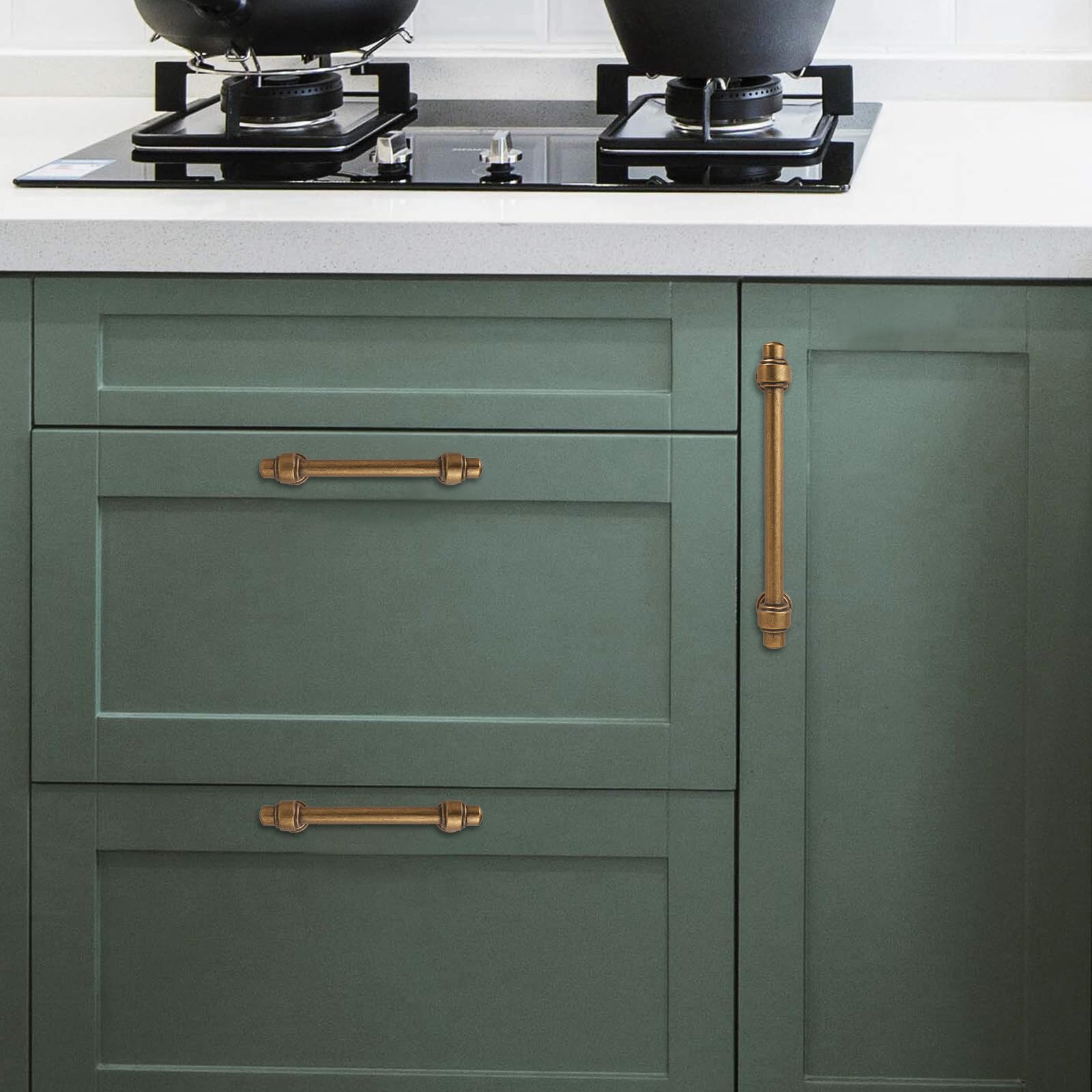
The good news is that brass is highly recyclable. And a growing number of manufacturers are utilizing recycled brass in their products. This recycled material often comes from scrap metal collected from plumbing, electrical wiring, and even old hardware. Forge Hardware Studio, for example, offers antique brass finishes, a testament to the enduring quality and potential for reuse inherent in this material.
However, verifying the percentage of recycled content can be tricky. It’s not always transparently labeled, and tracing the origin of the scrap metal can be complex. Look for manufacturers who are willing to provide documentation or certifications regarding their recycled content. A higher percentage of recycled brass translates to a lower demand for newly mined materials, reducing the overall environmental footprint.
Quality isn’t necessarily compromised with recycled brass. In many cases, the properties of recycled brass are comparable to virgin brass. The key is a careful refining process to remove impurities and ensure consistent alloy composition. It’s a question worth asking when you’re comparing options – and a good indicator of a manufacturer’s commitment to sustainability.
Recycled metal pulls beyond brass
While brass is getting a lot of attention in the sustainable hardware world, it’s not the only option. Other metals, like steel, aluminum, and even iron, can be effectively recycled and used to create durable and stylish cabinet pulls and handles. Each metal brings its own set of characteristics and sustainability considerations.
Steel, for example, is one of the most recycled materials on the planet. Aluminum requires significantly less energy to recycle than to produce from virgin ore. Iron, though prone to rust, can be incredibly durable when properly treated and finished. The finishes applied to these metals – powder coating, for instance – also play a role in their longevity and environmental impact.
Using recycled metal offers significant energy savings. Producing metal from recycled sources generally requires far less energy than extracting it from ore. This translates to a lower carbon footprint and reduced reliance on resource-intensive mining operations. Here's a quick comparison:
Recycled Aluminum: Requires 95% less energy than producing new aluminum.
Recycled Steel: Requires 60% less energy than producing new steel.
I am still researching the long-term corrosion resistance of various recycled metals, particularly in humid environments. It’s an important factor to consider when choosing hardware for kitchens and bathrooms.
Manufacturing processes and ethical sourcing
The materials used are only part of the sustainability story. The way hardware is manufactured is equally important. Traditional casting methods, while capable of producing intricate designs, can be energy-intensive. Stamping and machining, while often more efficient, can generate significant waste.
Manufacturers who prioritize water conservation and waste reduction are leading the way. This might involve implementing closed-loop water systems, recycling metal shavings, and optimizing production processes to minimize material usage. It also means looking at the energy sources powering their facilities – are they investing in renewable energy?
Beyond environmental concerns, ethical sourcing is crucial. This means ensuring fair labor practices throughout the supply chain. Look for manufacturers who prioritize worker safety, provide fair wages, and respect human rights. B Corp certification is a good indicator of a company’s commitment to social and environmental responsibility.
Sustainability isn’t just about what a product is made of; it’s about how it’s made and who made it. Transparency is key. Companies that are open about their manufacturing processes and supply chains are more likely to be genuinely committed to sustainability. Don't hesitate to ask questions about where their materials come from and how their hardware is produced.
Recycled Metal Comparison for Cabinet Hardware
| Metal Type | Recycled Content Availability | Corrosion Resistance | Relative Cost | Common Finishes |
|---|---|---|---|---|
| Steel | High | Medium | $ | Brushed Nickel, Polished Chrome, Black |
| Aluminum | Medium | High | $$ | Satin Nickel, Matte Black, Silver |
| Iron | Medium | Low | $ | Black, Oil Rubbed Bronze, Pewter |
| Brass | Low to Medium (increasing) | High | $$$ | Antique Brass, Polished Brass, Satin Brass |
| Stainless Steel | High | High | $$ | Brushed Stainless, Polished Stainless, Matte Black |
| Zinc Alloy | Medium | Medium | $ | Chrome, Nickel, Black |
Illustrative comparison based on the article research brief. Verify current pricing, limits, and product details in the official docs before relying on it.
Finishes: Low-VOC and durable options
The finish on your cabinet hardware isn’t just about aesthetics; it also has environmental implications. Traditional finishes often contain volatile organic compounds (VOCs), which are released into the air and can contribute to indoor air pollution and smog. VOCs can also pose health risks, causing respiratory irritation and other health problems.
Fortunately, there’s a growing demand for low-VOC and no-VOC finishes. These finishes utilize water-based or powder-coating technologies that minimize or eliminate the release of harmful chemicals. While these eco-friendly options are becoming more prevalent, their durability is a valid concern.
Some early low-VOC finishes were criticized for not being as chip-resistant or long-lasting as their traditional counterparts. However, advancements in technology have significantly improved the performance of these finishes. Many manufacturers now offer low-VOC options that are comparable in durability to traditional finishes.
It's important to note that durability can also depend on the specific application and the level of wear and tear the hardware will experience. I’m still evaluating the long-term performance of some of the newer eco-friendly finishes, and recommending a protective sealant might be a good idea for high-traffic areas.
Inspire Hardware and solid brass
Inspire Hardware has carved a niche for itself by focusing on solid brass cabinet hardware. Their commitment to using solid brass, rather than brass-plated materials, is a key aspect of their sustainability strategy. Solid brass hardware is inherently more durable and long-lasting than brass-plated alternatives.
Brass plating involves applying a thin layer of brass over a base metal, often steel or zinc. This plating can wear off over time, leading to corrosion and ultimately requiring replacement. Solid brass, on the other hand, is brass all the way through, meaning it won’t corrode or wear down in the same way.
This longevity translates to less waste. By investing in solid brass hardware, you’re choosing a product that’s likely to last for decades, reducing the need for frequent replacements. Inspire Hardware offers a wide range of solid brass finishes, from classic polished brass to more contemporary matte options.
Their designs complement a variety of kitchen and bathroom styles, proving that sustainability doesn’t mean sacrificing aesthetics. Choosing solid brass is an investment in both quality and environmental responsibility. It’s a conscious decision to opt for a product that’s built to last and designed to minimize its environmental impact.
Brands leading the way in sustainable hardware
Several brands are demonstrating a genuine commitment to sustainable cabinet hardware. Reclaim Build is a great example. They specialize in salvaged and reclaimed hardware, giving new life to vintage pieces and reducing the demand for new production. Their collection includes a variety of brass pulls, knobs, and handles, each with its own unique character.
Another standout is Top Knobs. They've made significant strides in reducing their environmental impact, including implementing water conservation measures and using recycled materials in their packaging. They also offer a range of finishes with low-VOC content. Top Knobs is actively working towards greater transparency in their supply chain.
Finally, consider Armac Martin. This British company is known for its high-quality, handcrafted brass hardware. They prioritize ethical sourcing and sustainable manufacturing practices, and they’re committed to reducing their carbon footprint. Armac Martin’s products are an investment in timeless design and responsible production.
These brands aren't simply marketing 'green' products; they're integrating sustainability into their core business practices. They understand that creating truly sustainable hardware requires a holistic approach, from material sourcing to manufacturing processes to ethical labor standards. Looking for companies with this level of commitment is the best way to ensure you’re making a responsible choice.
Eco-Hardware Considerations
- Solid Brass Hardware - Brass is durable and long-lasting, reducing the need for frequent replacements. Many manufacturers, like Top Knobs, offer a wide variety of solid brass pulls in different styles.
- Recycled Aluminum Pulls - Aluminum is lightweight and readily recyclable. Look for pulls made from 100% recycled aluminum, such as those offered by Belwith Keeler.
- PVD Finishes - Physical Vapor Deposition (PVD) finishes are more durable and environmentally friendly than traditional plating, requiring less energy and producing less waste. Many brands, including Emtek, utilize PVD finishes on their hardware.
- Iron Hardware with Low-VOC Finishes - Wrought iron is a strong, recyclable material. Ensure any finish applied is low in Volatile Organic Compounds (VOCs) for better air quality. Consider offerings from Schaub & Company.
- Stainless Steel Options - Stainless steel is highly durable, corrosion-resistant, and recyclable. Look for brands like Kichler that offer stainless steel pulls and knobs.
- Hardware from US Manufacturers - Buying from US-based companies, like Baldwin, often means stricter environmental regulations and reduced transportation emissions.
- Consider Unlacquered Brass - Unlacquered brass develops a natural patina over time, eliminating the need for harsh chemical finishes. Products from Rejuvenation frequently feature this option.
No comments yet. Be the first to share your thoughts!