
Kitchen Hardware's Quiet Revolution: What's Driving Modern Pull Design in 2026
Kitchen design is undergoing a subtle but significant shift. For years, the focus was on maximizing space and functionality, often at the expense of tactile experience. Now, we’re seeing a move towards kitchens that feel warmer, more inviting, and more deliberately designed – and cabinet pulls are playing a larger role in achieving that. It's no longer just about function; it's about feel.
This change is fueled by several factors. The rise of integrated appliances means fewer visual distractions, making hardware more prominent. Minimalism remains a dominant aesthetic, but it's evolving beyond stark, cold surfaces. People are craving warmth and texture, leading to a demand for richer materials and more thoughtful details. The YouTube video “How to Choose Cabinet Hardware” (2025) notes that hardware should suit your overall style and can elevate the entire kitchen.
We’re also seeing a greater appreciation for craftsmanship and quality. People are willing to invest in hardware that will last and develop a patina over time. This departs from the disposable culture of the past, reflecting a desire for kitchens that feel more authentic and personal. The emphasis is on creating a space that’s not just functional but also a pleasure to be in.
The modern cabinet pull is a design statement. It's a small detail that significantly impacts the kitchen's look and feel. 2026 designs move away from generic options towards pieces that are beautiful and thoughtfully considered.
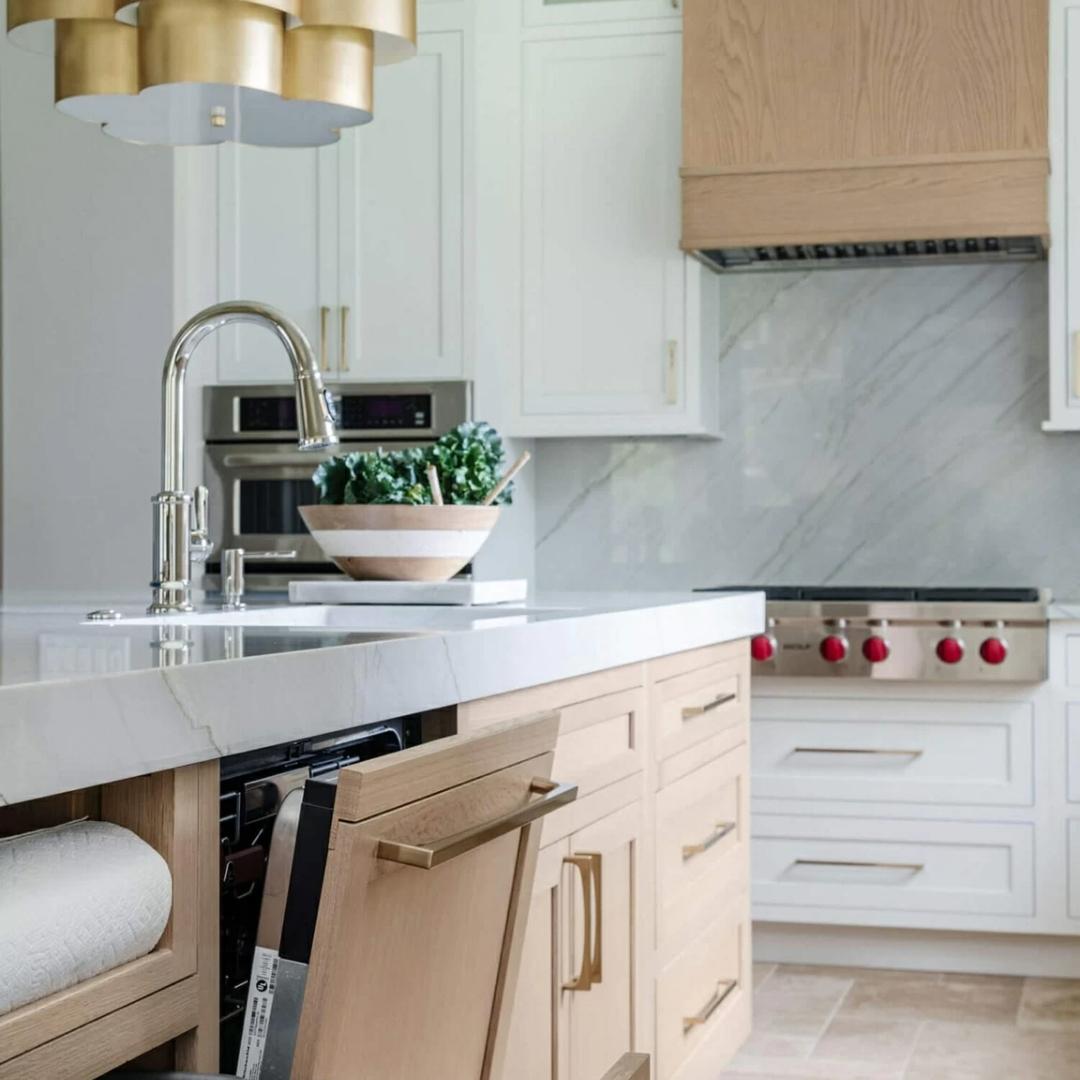
The Minimalist's Choice: Sleek Bar Pulls & Their Variations
Bar pulls are a cornerstone of modern kitchen design. Their simplicity and clean lines suit various styles, from contemporary to transitional. The 2026 bar pull isn't one-size-fits-all; emphasis is on proportion, material, and subtle variations that elevate this classic design.
Length and width matter. Longer, wider pulls work best on larger cabinets and drawers, providing a substantial visual anchor. Smaller, more delicate pulls suit narrower cabinets or areas where an understated look is desired. Using pulls that are too small makes cabinets feel flimsy. Ensure the pull is roughly one-third the length of the drawer or cabinet door.
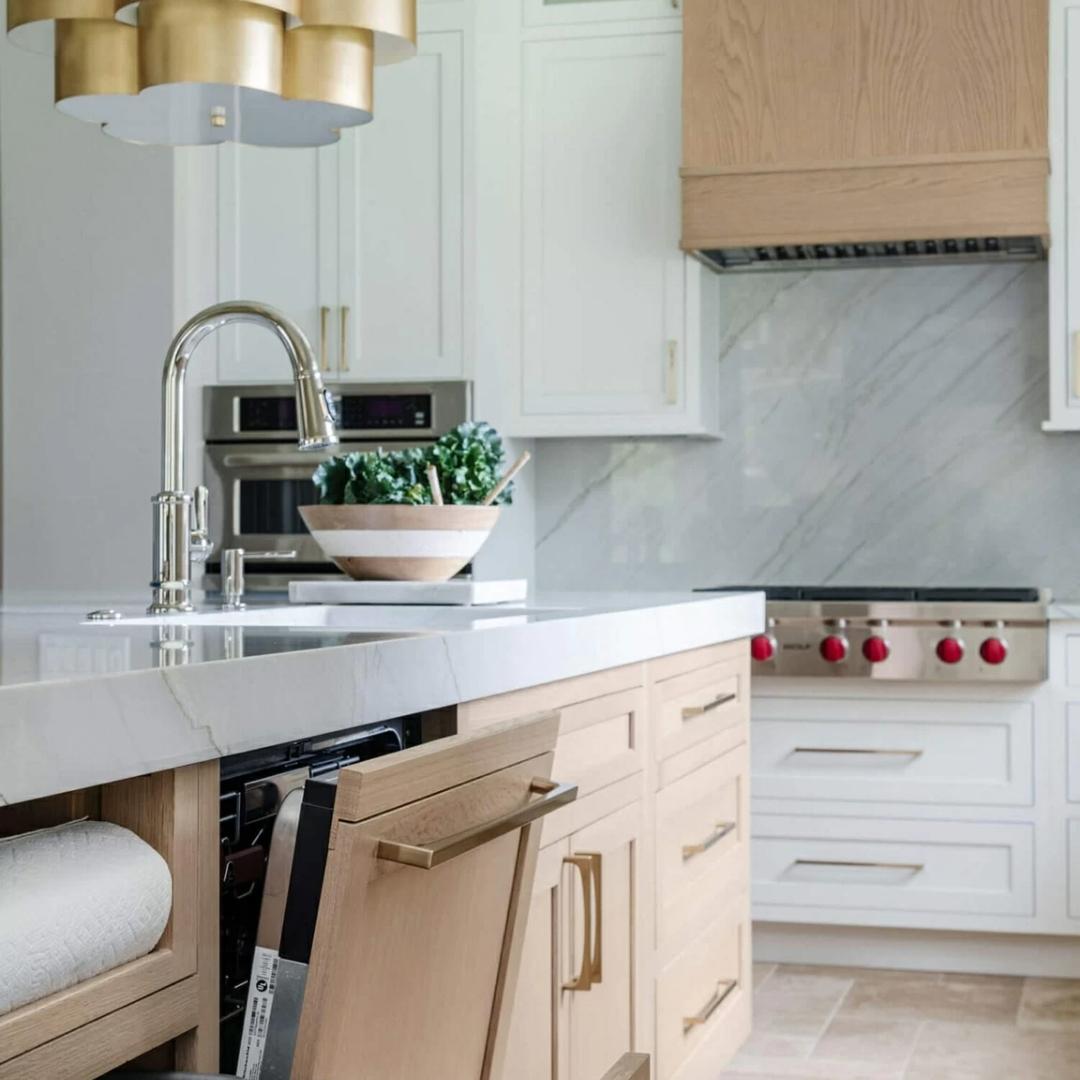
Material choices expand beyond stainless steel. While stainless steel remains popular for its durability and affordability, brass, matte black, and brushed bronze are gaining traction. These materials add warmth and character, complementing a wider range of cabinet colors and styles. Subtle textures, like lightly knurled or fluted surfaces, add visual interest without disrupting the minimalist aesthetic.
Placement and spacing are important. Consistent spacing between pulls creates order and balance. Typical spacing is 3-4 inches from the cabinet edge and 8-12 inches between pulls, though this varies by cabinet size and overall design. Consider the pull's ergonomics – it should be comfortable to grip and easy to use. Architectural Digest’s 2026 kitchen hardware guide emphasizes considering the pull's feel as much as its appearance.
- Short Bar Pulls (6-8 inches): Best for smaller cabinets and a more delicate look.
- Medium Bar Pulls (10-12 inches): Versatile for most cabinets.
- Long Bar Pulls (14+ inches): Ideal for large drawers and a bold statement.
Popular Bar Pull Finishes
- Brushed Nickel - Offers a warm, subtly reflective surface. Its understated elegance blends well with transitional, contemporary, and farmhouse kitchens, providing a versatile neutral tone. Shop Brushed Nickel Pulls
- Matte Black - A bold, modern choice that creates a striking contrast against lighter cabinetry. Ideal for contemporary, industrial, and Scandinavian-style kitchens, adding a touch of sophistication and drama. Shop Matte Black Pulls
- Polished Chrome - Provides a bright, highly reflective surface, lending a sleek and clean aesthetic. Best suited for modern and minimalist kitchens, often seen in professional-style designs. Shop Polished Chrome Pulls
- Antique Brass - Evokes a sense of vintage charm and warmth. Complements traditional, French country, and rustic kitchens, adding a touch of old-world elegance. The darker tone provides a rich, inviting feel. Shop Antique Brass Pulls
- Oil-Rubbed Bronze - Delivers a rich, dark, and textured finish with a slightly aged appearance. Works exceptionally well in Tuscan, farmhouse, and craftsman-style kitchens, creating a cozy and inviting atmosphere. Shop Oil-Rubbed Bronze Pulls
Beyond Stainless Steel: The Rise of Warm Metals in Kitchen Hardware
Stainless steel reigned supreme in kitchen hardware for years. It was seen as modern, durable, and easy to maintain. Now, a shift towards warmer metals like brass, bronze, and copper is occurring. This trend reflects a broader desire for kitchens that feel more inviting and less sterile. These metals add luxury and sophistication, complementing natural wood tones and warmer color palettes.
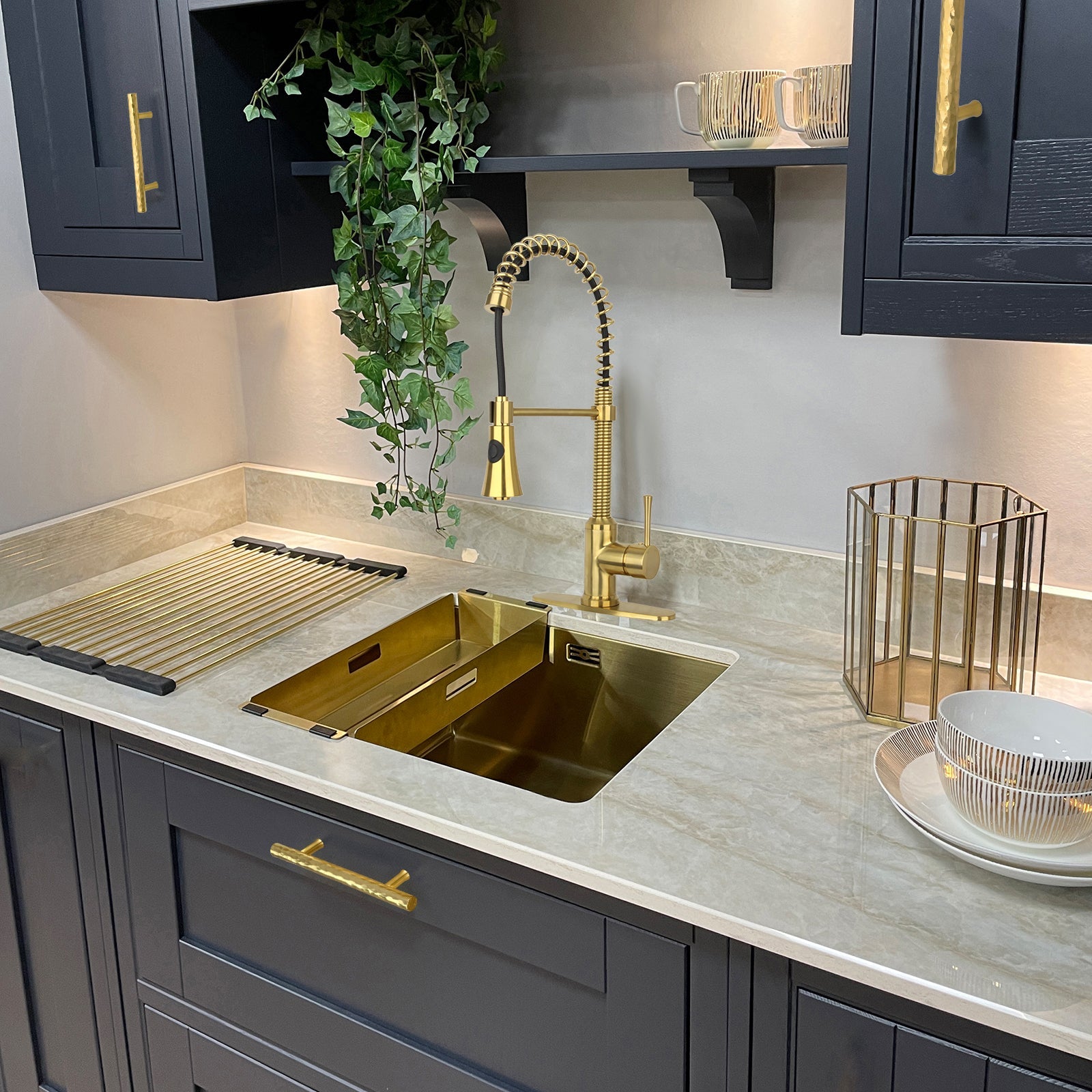
Brass has experienced a significant resurgence. Its golden hue adds warmth and richness, creating a welcoming atmosphere. Brass comes in a variety of shades, from polished to antique. Polished brass is bright and reflective, while antique brass has a muted, aged appearance. The choice depends on your personal style and the kitchen's overall aesthetic.
Bronze and copper offer similar benefits, providing a rustic and organic feel. These metals develop a beautiful patina over time, adding character and depth. However, they require more maintenance than stainless steel or brass to prevent tarnishing. Regular polishing is necessary to maintain their luster. Studio McGee’s 2025 cabinet hardware guide emphasizes considering the maintenance requirements of different materials.
The price for these warm metals varies considerably. Antique brass and copper are more expensive than polished brass due to additional processing. The investment is often worthwhile, as these materials add quality and sophistication that stainless steel can't match. Expect to pay $10-$30 per pull for brass, depending on the finish and quality.
- Polished Brass: Bright, reflective, and modern.
- Antique Brass: Muted, aged, and classic.
- Oil-Rubbed Bronze: Dark, rich, and rustic.
- Copper: Warm, reddish-brown, and organic.
Home Improvement & Retail Stocks Performance Analysis
Key players in the cabinet hardware and home improvement market - December 2024
| Asset | Current Price | 24h | 7d | 30d | Market Cap |
|---|---|---|---|---|---|
| Home Depot HD | $412.85 | +0.8% | +2.1% | +5.7% | $418.2B |
| Lowe's Companies LOW | $268.42 | +1.2% | +1.8% | +4.3% | $165.8B |
| Wayfair W | $52.18 | -2.1% | -4.5% | -8.9% | $6.2B |
| Amazon AMZN | $178.25 | +0.5% | +1.3% | +11.2% | $1.85T |
| Sherwin-Williams SHW | $385.67 | +0.3% | +2.8% | +6.1% | $98.4B |
| Masco Corporation MAS | $78.94 | +1.5% | +3.2% | +7.8% | $17.1B |
Analysis Summary
Traditional home improvement retailers (HD, LOW) maintain strong valuations and steady growth, while pure-play e-commerce (W) faces headwinds. Amazon's diversified platform shows resilience, and specialty manufacturers (SHW, MAS) demonstrate solid performance in the cabinet hardware supply chain.
Key Insights
- Home Depot leads with highest absolute stock price and largest market cap at $418.2B, reflecting its dominant market position in home improvement retail
- Masco Corporation shows strongest 30-day performance at +7.8%, benefiting from increased demand for kitchen renovation products including cabinet hardware
- Wayfair exhibits highest volatility with -8.9% monthly decline, reflecting challenges in the online furniture and home goods sector amid economic uncertainty
Analysis based on recent market data for publicly traded companies involved in the cabinet hardware retail and manufacturing ecosystem. Prices reflect typical trading ranges as of December 2024.
Disclaimer: Stock prices are highly volatile and subject to market fluctuations. Data is for informational purposes only and should not be considered investment advice. Always do your own research before making investment decisions.
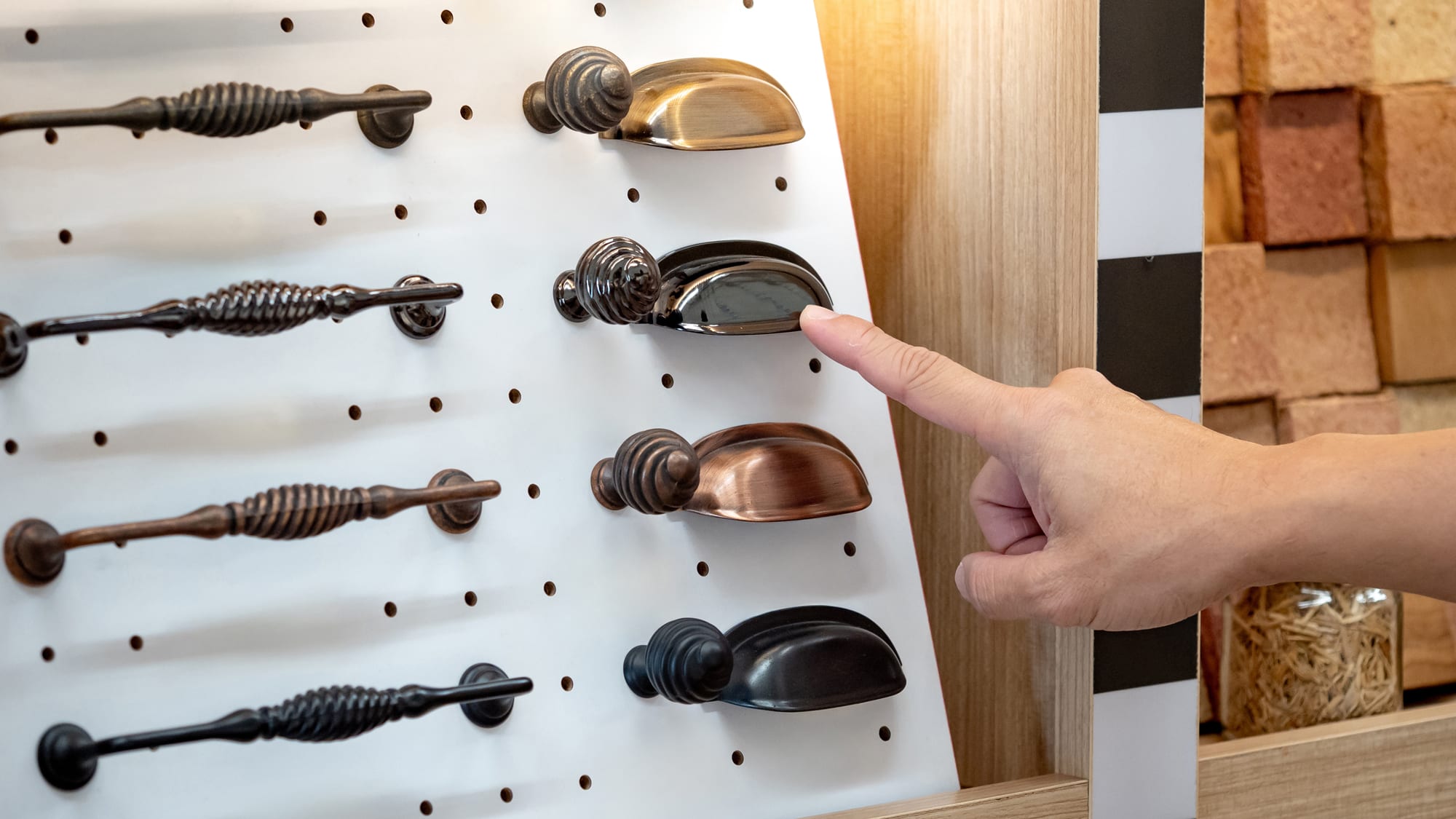
Knobs are Back (But Not as You Remember Them): Modern Knob Designs
Knobs were once considered outdated, overshadowed by the popularity of bar pulls. But they’re making a comeback, albeit in updated forms. Modern knob designs are more sophisticated and versatile than their traditional counterparts. We’re seeing a move away from simple, round knobs towards geometric shapes, textured surfaces, and unique materials.
Geometric knobs, such as square, hexagonal, or octagonal designs, add a touch of contemporary flair. Textured surfaces, like fluted or faceted knobs, provide visual interest and tactile appeal. Unique materials, like ceramic, glass, or even wood, can create a focal point and add personality to your kitchen. Pairing knobs with bar pulls is a popular approach – using knobs on doors and bar pulls on drawers.
The size and projection of the knob are also important considerations. A knob that’s too small can be difficult to grip, while a knob that protrudes too far can feel awkward. Choose a knob that’s proportionate to the size of the cabinet door and comfortable to use. The YouTube video “How to Choose Cabinet Hardware” from 2025 suggests testing the knob's grip before committing to a purchase.
The debate over single vs. double knobs on doors continues. Single knobs are more common in modern kitchens, creating a cleaner, more minimalist look. Double knobs can add a touch of traditional charm, but they can also feel dated. Ultimately, the choice is a matter of personal preference.
Edge Pulls & Recessed Hardware: A Seamless, Integrated Look
For a minimalist aesthetic, edge pulls and recessed pulls offer a unique solution. These hardware options integrate directly into cabinet doors, creating a seamless, uncluttered look. Edge pulls mount on the door's side, while recessed pulls sit flush with the surface.
Edge pulls suit slab-door cabinets, where no frames or panels obstruct clean lines. They provide a comfortable grip and are easy to install. Recessed pulls require more precise installation, needing to be mortised into the cabinet door. This is best left to a professional.
One potential drawback of both edge and recessed pulls is a lack of grip. They can be more difficult to use than traditional pulls, especially for those with limited hand strength. This is something to consider if you have arthritis or other mobility issues. They are best suited for cabinets that don’t require frequent opening and closing.
These options aren't as ubiquitous as bar pulls or knobs, which can sometimes mean a longer lead time for ordering and a potentially higher price point. However, the unique aesthetic they offer can be worth the extra effort and expense.
Material Matters: A Guide to Durability, Maintenance, and Cost
The material of your cabinet pulls significantly impacts their durability, maintenance requirements, and cost. Stainless steel is a popular choice for its affordability and resistance to corrosion, but it can show fingerprints easily. Brass is beautiful and durable, but requires regular polishing to prevent tarnishing. Aluminum is lightweight and affordable, but it’s less durable than steel or brass.
Ceramic and glass pulls offer a unique aesthetic, but they’re more prone to chipping or breaking. Wood pulls provide a warm, natural look, but they require regular sealing to prevent warping or cracking. Each material has its own set of trade-offs. Stainless steel typically costs between $5-$15 per pull, while brass can range from $10-$30 or more. Ceramic and glass pulls are generally priced similarly to brass.
Finishes and coatings play a crucial role in protecting the underlying material and enhancing its appearance. Powder coating is a durable finish that resists chipping and scratching. PVD (Physical Vapor Deposition) is another durable finish that provides a wide range of color options. Lacquer is a less durable finish that’s often used on brass and bronze pulls to prevent tarnishing.
Choosing the right material depends on your lifestyle and budget. If you’re looking for a durable, low-maintenance option, stainless steel or powder-coated aluminum are good choices. If you’re willing to invest in regular maintenance, brass or bronze can add a touch of luxury and sophistication.
- Stainless Steel: Durable, affordable, fingerprint-prone.
- Brass: Beautiful, durable, requires polishing.
- Bronze: Rustic, durable, requires polishing.
- Aluminum: Lightweight, affordable, less durable.
- Ceramic/Glass: Unique aesthetic, prone to chipping.
- Wood: Warm, natural, requires sealing.
Cabinet Pull Material Comparison – Key Considerations for 2026
| Material | Durability | Maintenance | Cost | Corrosion Resistance | Aesthetic Versatility |
|---|---|---|---|---|---|
| Stainless Steel | High | Medium | Medium | High | High |
| Brass | High | Medium | High | High | High |
| Bronze | Medium-High | Medium | Medium-High | High | Medium-High |
| Nickel | Medium | Medium | Medium | High | Medium |
| Aluminum | Medium | Low | Low | High | Medium |
| Black Iron | Medium | High | Low-Medium | Low-Medium | Medium |
| Glass/Crystal | Low-Medium | High | Medium-High | Medium | Medium |
| Acrylic | Low | Low | Low | High | Low-Medium |
Illustrative comparison based on the article research brief. Verify current pricing, limits, and product details in the official docs before relying on it.
Installation Considerations: DIY vs. Professional & Avoiding Common Mistakes
Installing cabinet pulls is generally a DIY-friendly project, but it requires some basic tools and a bit of patience. You’ll need a drill, a screwdriver, a measuring tape, and a pencil. A drill guide can help you ensure accurate placement of the screws. If you’re comfortable using these tools, you can likely handle the installation yourself. However, if you’re unsure or lack the necessary skills, it’s best to hire a professional.
Common mistakes to avoid include stripping the screws, misaligning the pulls, and damaging the cabinet doors. Use the correct size screwdriver and apply gentle pressure to avoid stripping the screws. Use a measuring tape and a level to ensure the pulls are aligned properly. Drill pilot holes before inserting the screws to prevent splitting the wood.
Updating hardware on existing cabinets can be a great way to refresh your kitchen without a full remodel. Before removing the old pulls, take a picture of their placement to use as a guide for the new ones. Fill any existing screw holes with wood filler and sand smooth before drilling new holes. This will prevent the new pulls from wobbling.
Numerous online resources offer step-by-step installation guides and videos. The YouTube channel “Home RenoVision DIY” provides excellent tutorials on cabinet hardware installation. Careful planning and attention to detail will ensure a professional-looking result.
Where to Buy & What to Expect: Navigating the Cabinet Pull Market in 2026
A wide range of retailers offer cabinet pulls, both online and in brick-and-mortar stores. Major home improvement stores like Home Depot and Lowe’s carry a large selection of affordable options. Specialty hardware stores, like PullsDirect and Knobull, offer a more curated selection of high-quality pulls. Online retailers like Amazon and Wayfair provide convenience and competitive pricing.
When choosing a retailer, consider factors like selection, price, return policy, and shipping costs. Read customer reviews to get an idea of the retailer’s reputation and the quality of their products. Be sure to check the return policy in case you’re not satisfied with your purchase. Shipping costs can add significantly to the overall price, so factor that in when comparing retailers.
In 2026, lead times may still be affected by global supply chain disruptions. It’s advisable to order your pulls well in advance of your project start date to avoid delays. Custom hardware options are also available, allowing you to create unique pulls that perfectly match your kitchen’s design. However, custom hardware typically has a longer lead time and a higher price tag.
Expect to see increased emphasis on sustainable and ethically sourced materials in the cabinet pull market. Consumers are becoming more conscious of the environmental impact of their purchases, and retailers are responding by offering more eco-friendly options.
From chic designs to value for money, I've covered every base to bring you the best retailers for kitchen cabinet hardware – and they work just as well in other rooms, from bathrooms to boot rooms https://t.co/wiHWYZKOLu
— Homes & Gardens (@homesandgardens) July 25, 2025
No comments yet. Be the first to share your thoughts!