
Beyond the Knob: Smart Hardware Arrives
Cabinet hardware used to be purely functional. Knobs, pulls, and hinges just needed to work, not necessarily be seen. They later became decorative, matching kitchen and bathroom styles. Now, smart cabinet hardware is emerging, offering convenience, better accessibility, and new levels of control.
Hands full while cooking? Need easier access for someone with limited mobility? Want a sleek, modern look? Smart hardware addresses these needs, making homes more responsive. The market is developing, and early products show promise.
Smart hardware goes beyond just opening cabinets. It offers touchless operation, remote locking, and usage tracking, all part of the smart home concept. While price is a barrier, the technology is becoming more accessible.
This trend is here to stay. Signature Hardware's 'Home Trends for 2026' include integrated technology, suggesting wider adoption. We've automated lighting, thermostats, and security; cabinets are the next logical step.
Touch-Free Tech: How It Works
Touchless cabinet opening relies on sensor technology. Capacitive sensors detect your hand's approach by changes in an electric field, triggering the release. They are inexpensive but can be triggered by other conductive objects.
Infrared (IR) sensors emit an IR beam and activate when it's interrupted. IR is reliable and less prone to false triggers than capacitive sensors, though bright sunlight or other IR sources can interfere. Some advanced systems use radar for better range and accuracy, but at a higher cost.
Most current systems use batteries, requiring periodic replacement and maintenance. Wired connections offer less flexibility and more complex wiring. Energy harvesting research is ongoing but not yet practical for this application.
Release mechanisms include solenoids to disengage latches or motorized systems. The choice depends on door size, weight, and desired speed. The goal is a seamless, reliable opening without contact.
App-Connected Handles: Control and Customization
App-connected hardware adds control and customization. Systems connect to Wi-Fi, allowing remote management via a smartphone app. Remote locking and unlocking is a key feature, useful for securing cabinets with medications, valuables, or hazardous materials.
Usage tracking logs how often cabinets are opened, offering insights into habits and potential kitchen layout optimization. Some systems integrate with Alexa and Google Assistant for voice commands, like 'Alexa, open the pantry'.
Increased connectivity brings security concerns. Understand what data is collected and how it's protected – is it encrypted? Is it shared? A compromised system could allow remote unlocking or data access.
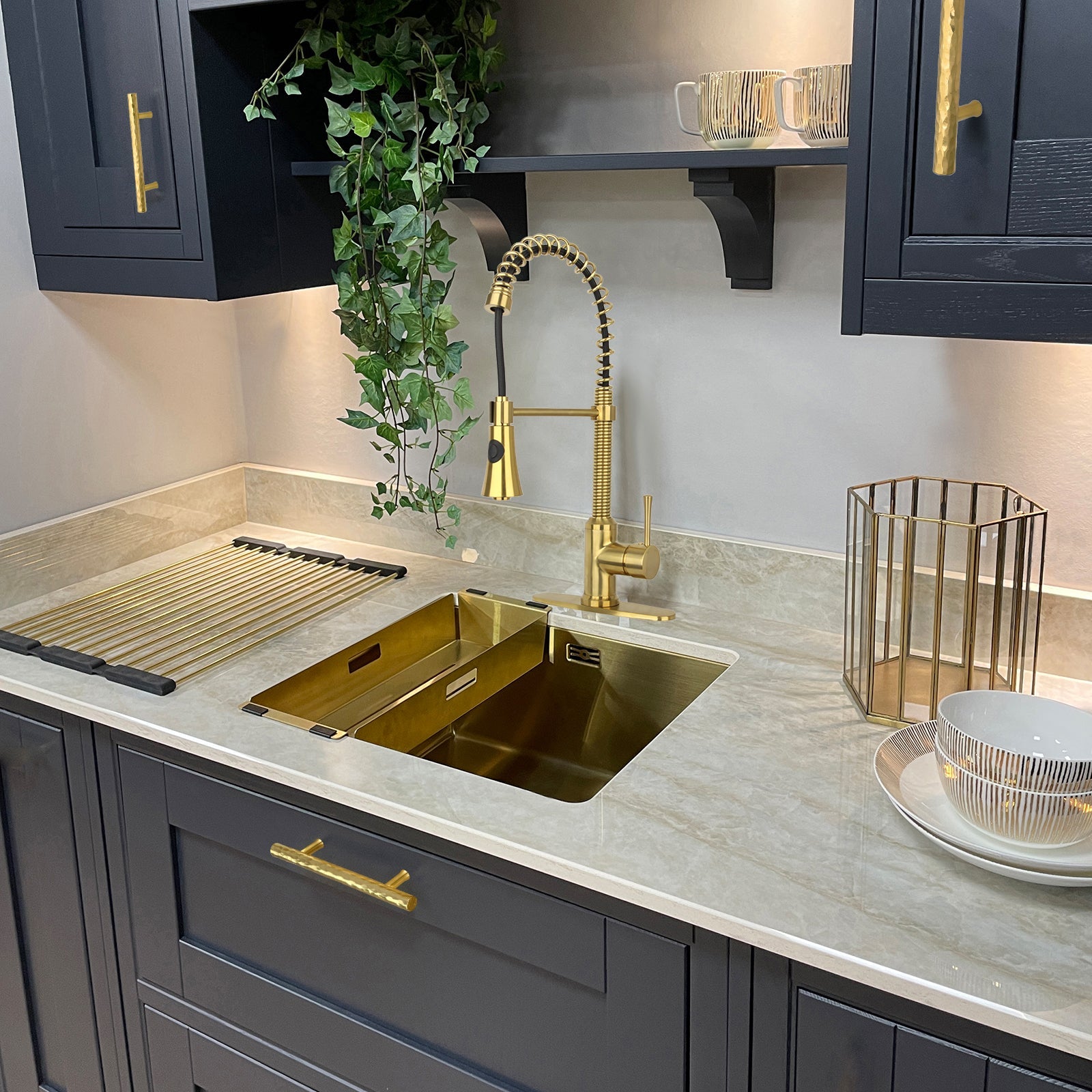
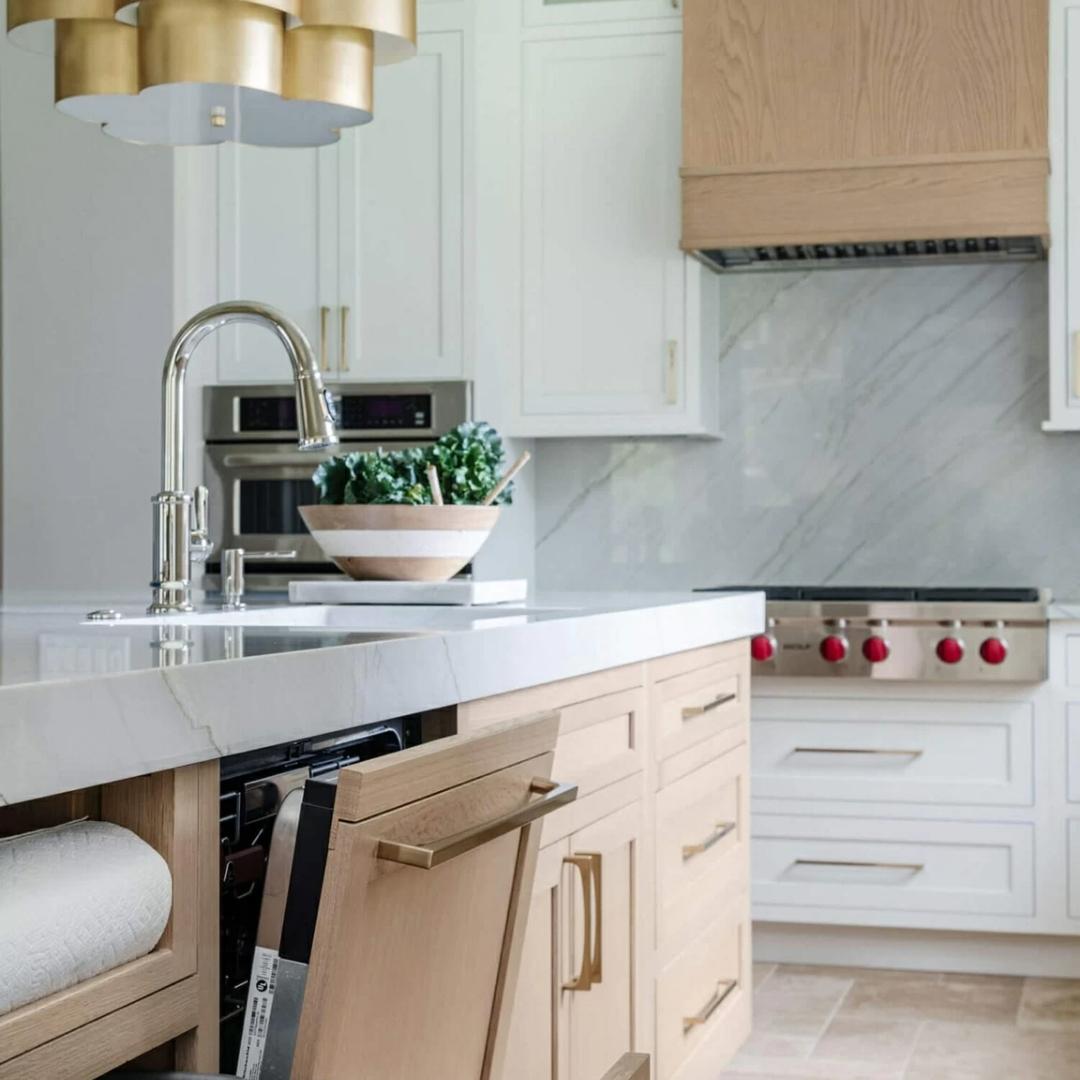
Goldenwarm's modern drawer pulls show the variety of styles available. Manufacturers are integrating smart technology into existing designs. Consider privacy implications carefully; cloud-reliant systems can become unusable if the company fails or changes terms.
- Remote Locking/Unlocking: Secure cabinets with a tap on your phone.
- Usage Tracking: Monitor how often cabinets are opened.
- Smart Home Integration: Control cabinets with voice commands (Alexa, Google Assistant).
Featured Products

Hands-free operation with a simple foot kick · Easy adhesive installation · Durable silvery finish
Upgrade your kitchen trash can with these touchless foot pulls for a more hygienic and convenient experience.

Multiple access methods: fingerprint, RFID card, code · Tuya app control for remote management · Anti-theft design for enhanced security
Secure your drawers with this smart lock, offering advanced access control and app connectivity for peace of mind.

Rechargeable and wireless design · Motion sensor for automatic illumination · Dimmable with 5 brightness levels
Add convenient, motion-activated lighting under your cabinets with these rechargeable and dimmable LED lights.

Automatic cabinet door opening system · Electronic hands-free operation · Suitable for base cabinets from 12 to 24 inches
Experience effortless access to your base cabinets with this electronic hands-free opening system.

Pack of 10 wire handles · Versatile finishes: satin nickel, brushed chrome, matte chrome · Durable commercial-grade construction
Refresh your cabinets and drawers with this cost-effective pack of stylish and durable wire handles.
As an Amazon Associate I earn from qualifying purchases. Prices may vary.
Installation: DIY or Pro?
Installing smart cabinet hardware is more complex than traditional hardware, which usually just involves screwing in a knob or pull. Smart hardware involves wiring, sensors, and control modules. For touch-free systems, precise sensor mounting and connection to the release mechanism are needed.
undefined the instructions is also essential.
For the average homeowner, I'd recommend professional installation, especially for app-connected systems. A qualified installer will ensure that the hardware is properly mounted, wired, and configured, minimizing the risk of errors and ensuring optimal performance. The cost of professional installation will vary depending on the complexity of the system and your location.
However, if you’re comfortable with basic electrical work and have a knack for DIY projects, you might be able to tackle the installation yourself. Just be sure to follow the instructions carefully and take all necessary safety precautions. Remember to turn off the power to the circuit before working with any electrical components.
Cost Breakdown: What to Expect
The cost of smart cabinet hardware is significantly higher than traditional hardware. A basic set of touch-free pulls can start around $50-$100 per cabinet, while app-connected systems can easily exceed $200-$300 per cabinet. These prices are estimates and can vary depending on the brand, features, and finish.
Installation costs will add to the overall expense. Professional installation can range from $50-$150 per cabinet, depending on the complexity of the system and your location. There are also ongoing costs to consider, such as battery replacements for touch-free systems. Expect to replace batteries every few months, depending on usage.
Some app-connected systems may require a subscription fee for access to advanced features, such as remote locking and usage tracking. These subscriptions typically cost around $5-$10 per month. Compared to traditional hardware, which can cost as little as $10-$20 per cabinet, the premium for smart hardware is substantial.
The Knob Shop offers a wide range of traditional cabinet hardware, providing a good benchmark for comparison. While they don't currently carry smart hardware, their pricing demonstrates the cost savings associated with traditional options. Ultimately, the decision of whether or not to invest in smart cabinet hardware comes down to your budget and your willingness to pay for the added convenience and features.
- Hardware Cost: $50 - $300+ per cabinet
- Installation Cost: $50 - $150 per cabinet (professional)
- Battery Replacement: Ongoing cost (every few months)
- Subscription Fees: $5 - $10 per month (for some systems)
Smart vs. Traditional Cabinet Hardware: A 2026 Comparison
| Feature | Traditional Hardware | Smart Hardware (Touch-Free/App-Connected) | Notes |
|---|---|---|---|
| Price 💰 | Generally $1 - $50+ per piece, depending on material and style | Typically $50 - $300+ per piece, with higher costs for advanced features | Smart hardware represents a significant upfront investment. |
| Installation Difficulty 🛠️ | Low - Moderate. Usually requires a screwdriver and potentially a drill. | Moderate - High. May require wiring, smart home hub integration, and potentially professional installation. | Smart hardware installation complexity varies greatly by product. |
| Features ✨ | Simple mechanical operation. Limited to opening/closing. | Touchless operation, app control, potential for automated opening, integrated lighting, usage tracking. | Features are expanding rapidly with ongoing development. |
| Security 🔒 | Basic physical security. Vulnerable to forced entry. | Potential for digital security features (e.g., access control via app), but also introduces potential for hacking. Security features vary by manufacturer. | Security is a developing area for smart hardware. |
| Aesthetics 🎨 | Wide variety of styles, finishes, and materials available. | Design options are increasing, but currently less diverse than traditional hardware. Often leans towards modern aesthetics. | Manufacturers are working to broaden aesthetic choices. |
| Long-Term Cost 💸 | Low. Durable materials typically require minimal maintenance or replacement. | Moderate - High. Potential costs for battery replacement, software updates, repairs, and eventual system obsolescence. | Consider the lifespan of the technology and potential replacement costs. |
| Connectivity | None | Bluetooth, Wi-Fi, Zigbee – integration with smart home ecosystems. | Compatibility with existing smart home systems is a key consideration. |
Illustrative comparison based on the article research brief. Verify current pricing, limits, and product details in the official docs before relying on it.
Design and Aesthetics: Fitting Your Style
One concern some people have about smart hardware is whether it will fit with their existing kitchen or bathroom design. Fortunately, manufacturers are offering a growing range of styles and finishes to choose from. You can find options that match modern, traditional, and transitional aesthetics.
Many smart hardware systems are designed to be retrofitted into existing cabinets, meaning you don't have to replace your entire cabinetry to enjoy the benefits of touchless operation or app-connected control. The hardware itself is often sleek and minimalist, blending seamlessly with the overall design.
The Knob Shop’s selection demonstrates the wide variety of finishes available – brushed nickel, oil-rubbed bronze, matte black, and more. Finding a smart hardware option that complements your existing finishes should be relatively easy. However, there may be some limitations in terms of design choices. Some systems may only be available in a limited range of styles and finishes.
Goldenwarm, known for their modern drawer pulls, are a good example of a company that could easily integrate smart technology into their existing product lines. The key is to find a balance between functionality and aesthetics, ensuring that the technology enhances the design rather than detracting from it.
Durability and Maintenance: Long-Term Reliability
The longevity of smart cabinet hardware is a valid concern. These systems contain electronic components that are susceptible to failure over time. The durability of the sensors and the release mechanism will be key factors in determining how long the hardware lasts. Look for systems that are made from high-quality materials and have been rigorously tested.
Maintenance requirements will also vary depending on the system. Touch-free systems will require periodic battery replacements, while app-connected systems may require occasional software updates. It’s important to check the manufacturer’s recommendations for maintenance procedures.
What happens if the hardware fails? Are replacement parts readily available? Does the manufacturer offer a warranty? These are important questions to ask before making a purchase. A good warranty can provide peace of mind, knowing that you’re covered in case of a malfunction. Customer support is also crucial – you’ll want to be able to easily reach someone if you encounter any problems.
Unfortunately, long-term data on the reliability of smart cabinet hardware is still limited, as the technology is relatively new. However, as the market matures, we can expect to see more information about the durability and maintenance requirements of different systems. It's a good idea to read reviews from other users to get a sense of their experiences.
- Sensor Durability: Look for high-quality materials and rigorous testing.
- Battery Replacement: Required for touch-free systems.
- Software Updates: May be needed for app-connected systems.
- Warranty: Check the manufacturer’s warranty terms.
- Customer Support: Ensure easy access to assistance.
Looking Ahead: 2026 and Beyond
The future of smart cabinet hardware looks promising. As the technology matures, we can expect to see new features and improvements. One potential development is the integration of artificial intelligence (AI) to learn your habits and automatically adjust cabinet settings. For example, the system could automatically unlock the coffee cabinet when it detects that you’re approaching it in the morning.
Another trend is likely to be greater integration with smart home ecosystems. We may see seamless control of cabinets through voice commands and integration with other smart devices. The price of smart hardware is also expected to come down as production costs decrease and competition increases. This will make the technology more accessible to a wider range of consumers.
Energy harvesting technology could also become more prevalent, eliminating the need for batteries altogether. Imagine a system that powers itself using vibrations from opening and closing the cabinets! That’s still a ways off, but it’s a plausible scenario. Security will also continue to be a major focus, with manufacturers implementing more robust encryption and authentication protocols.
Ultimately, the goal is to create a truly seamless and intuitive experience – cabinets that respond to your needs without you even having to think about it. While it’s difficult to predict the future with certainty, it’s clear that smart cabinet hardware is poised to become an increasingly important part of the modern home.
No comments yet. Be the first to share your thoughts!