
Ocean Plastic, Now a Kitchen Upgrade? The Rise of Sustainable Cabinet Pulls
For years, the conversation around kitchen renovations focused on granite versus quartz, shaker cabinets versus flat-panel. Now, a new consideration is gaining traction: sustainability. Specifically, cabinet pulls—those small but impactful hardware pieces—are increasingly being made from recycled ocean plastic. It’s a fascinating development, and one that reflects a broader shift in consumer priorities.
The problem of ocean plastic is well-documented. Millions of tons of plastic waste enter our oceans annually, harming marine life and ecosystems. Turning some of that waste into something useful, like hardware for our homes, feels like a positive step. But it’s also a relatively new market, so it’s worth managing expectations. These aren’t going to be the cheapest pulls on the market, and the design options are still evolving.
There’s a clear and growing demand for eco-friendly products across all sectors, and home improvement is no exception. People want to make choices that align with their values, and that includes reducing their environmental impact. San Diego Hardware notes the growing focus on sustainable options, and while they don’t exclusively carry ocean plastic pulls, they acknowledge the trend. This demand is driving innovation and bringing new materials like recycled ocean plastic into the mainstream.
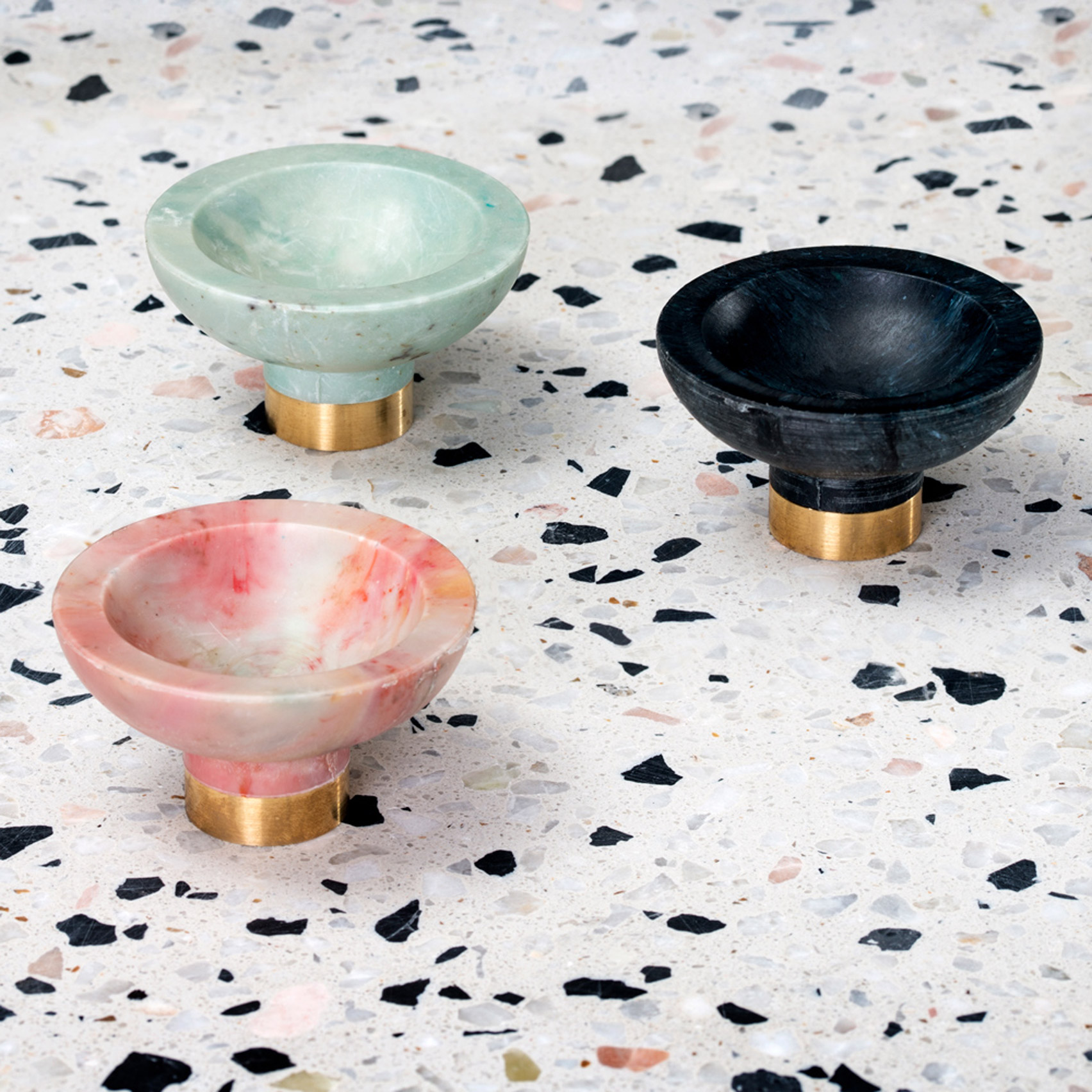
What Exactly *Is* Recycled Ocean Plastic Hardware?
The process of transforming discarded ocean plastic into cabinet pulls is more complex than simply melting it down. It typically begins with the collection of plastic waste from coastal areas, beaches, and even directly from the ocean. This collection is often done by organizations dedicated to ocean cleanup, or by communities incentivized to remove plastic from the environment.
Once collected, the plastic undergoes a rigorous cleaning and sorting process. Different types of plastic require different processing methods. High-density polyethylene (HDPE) and polypropylene (PP) are common plastics found in ocean waste and are frequently used in hardware manufacturing. These plastics are separated, shredded, and then cleaned to remove contaminants like salt, sand, and marine organisms. The Knob Shop offers a wide variety of pulls, but currently doesn’t specify the origin of their plastic components.
The cleaned plastic is then often compounded – meaning it’s mixed with additives to improve its properties. These additives can enhance durability, UV resistance, and color stability. The resulting material is then molded into the desired shape of a cabinet pull. It’s important to note that "recycled" can mean different things. Some products use post-consumer plastic (waste from households), while others use post-industrial plastic (scraps from manufacturing processes). Ideally, you want to see products utilizing post-consumer ocean plastic for the greatest environmental benefit.
Understanding the specific type of plastic used is also valuable. HDPE, for instance, is known for its strength and resistance to chemicals, making it suitable for applications where durability is key. PP is lighter and more flexible, often used in applications where impact resistance is important. Knowing the composition helps assess the long-term performance of the hardware.
- HDPE (High-Density Polyethylene): Strong, chemical-resistant, commonly used in bottles and containers.
- PP (Polypropylene): Lighter, flexible, impact-resistant, often found in food packaging and automotive parts.
- PET (Polyethylene Terephthalate): Commonly used in water bottles, but less frequent in durable hardware applications.
Elevate your home with high-quality hardware from Emtek! Whether it's stylish door handles, modern cabinet pulls, or custom finishes, find the perfect details at Tashman Home Center.
— Tashman Hardware (@TashmanHardware) May 27, 2025
Stop by Tashman Home Center, call (323) 656-3737 or go to https://t.co/YvRsxKEAHl to shop online! pic.twitter.com/BaIfWX1gvb
Durability and Performance: Do Sustainable Pulls Hold Up?
This is the question on most people’s minds. The concern is understandable – plastic doesn’t have the same reputation for longevity as metal. However, the recycled ocean plastic used in these pulls isn’t the flimsy plastic you find in disposable packaging. The compounding process, combined with the inherent properties of HDPE and PP, can create a surprisingly robust material.
Compared to traditional materials, ocean plastic pulls generally won’t match the sheer strength of stainless steel or brass. But they can be comparable to aluminum in many applications. Hardware Resources highlights the importance of quality materials in cabinet hardware, but doesn’t offer a direct comparison to recycled plastic specifically. A well-made ocean plastic pull should be able to withstand everyday use without cracking or breaking.
There are potential limitations to consider. Prolonged exposure to direct sunlight (UV radiation) can degrade some plastics over time, potentially causing them to become brittle. Similarly, extreme temperatures could affect their performance. However, many manufacturers address these concerns with UV stabilizers and heat-resistant additives. It’s always best to check the product specifications for details on environmental resistance.
Comparing Sustainable & Traditional Cabinet Pull Materials (2026 Outlook)
| Material | Durability | Cost | Corrosion Resistance | Environmental Impact | Aesthetic Versatility |
|---|---|---|---|---|---|
| Ocean Plastic | Medium | Medium | Medium | High | Medium |
| Stainless Steel | High | Medium | High | Medium | High |
| Brass | High | High | Medium | Low | High |
| Aluminum | Medium | Low | High | Medium | Medium |
Illustrative comparison based on the article research brief. Verify current pricing, limits, and product details in the official docs before relying on it.
Style Options: Beyond Basic Black – What Designs Are Available?
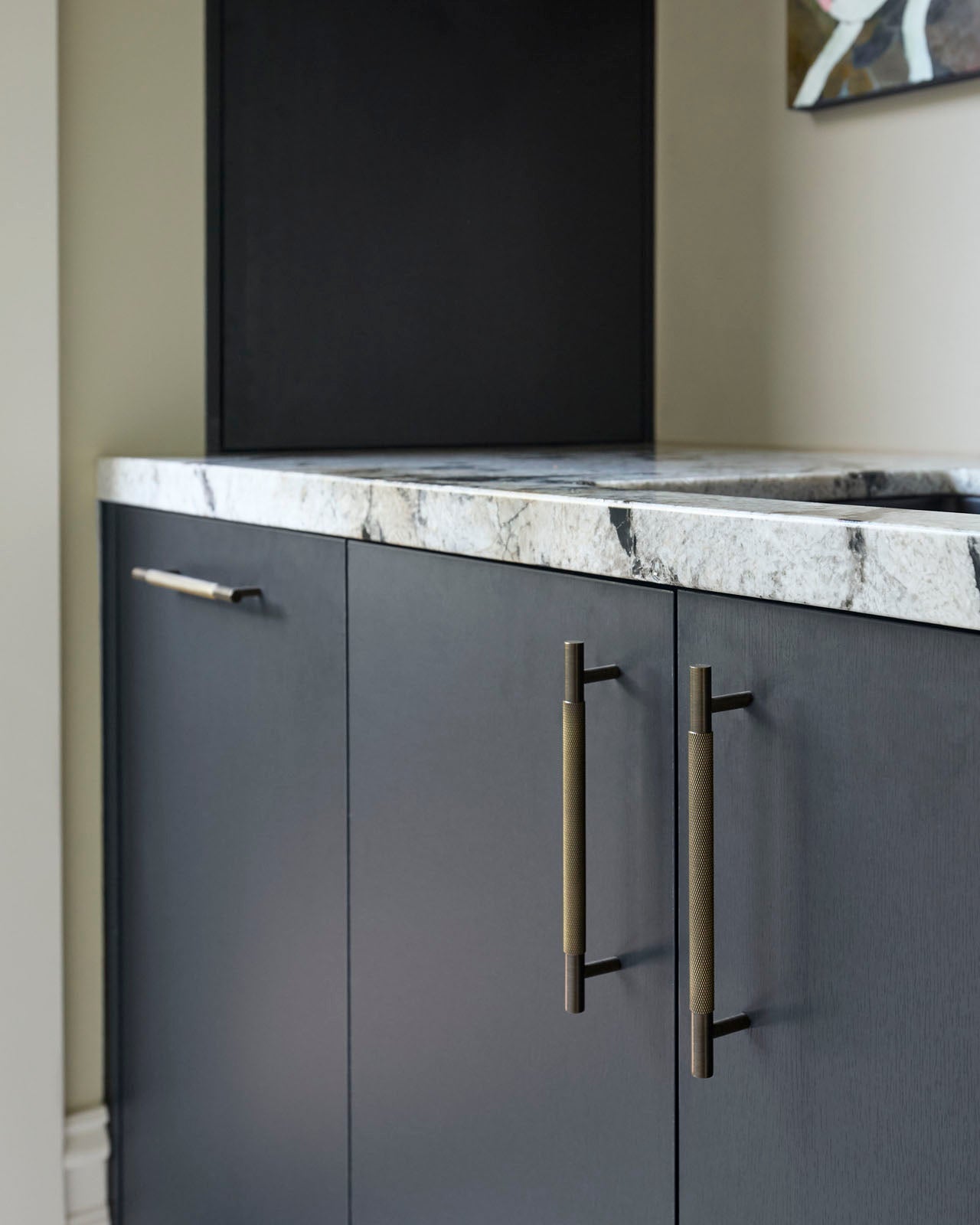
Initially, the selection of ocean plastic cabinet pulls was limited, with most options being fairly basic in terms of design and color. However, the range is expanding. While black and gray remain popular choices – they effectively hide minor imperfections and offer a modern aesthetic – we’re starting to see more variety.
Currently, the designs tend to lean towards modern and minimalist styles. Clean lines, simple shapes, and understated finishes are common. This is partly due to the manufacturing process, which can be more challenging with complex designs. It’s also a reflection of the target market – consumers interested in sustainable products often appreciate a modern aesthetic.
There are limitations in terms of intricate detailing or highly polished finishes. The material doesn’t lend itself to the same level of ornamentation as metal. However, texture is emerging as a key design element. Some manufacturers are experimenting with different surface textures to add visual interest and tactile appeal. I'm not sure if we'll see ornate, Victorian-style pulls made from ocean plastic anytime soon, but the possibilities are growing.
Ocean-Friendly Cabinet Pulls: Stylish & Sustainable Hardware for Your Home
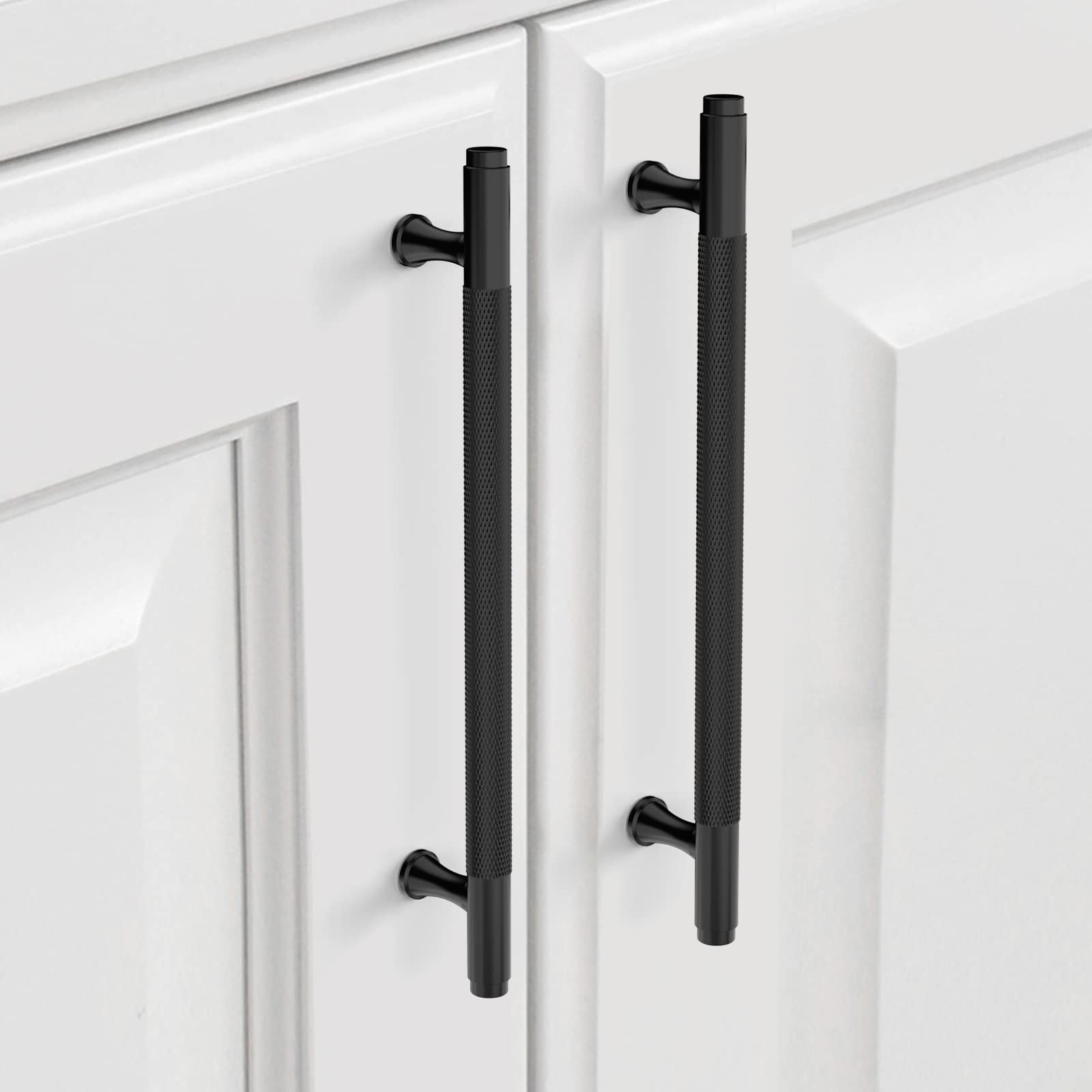
Made from recycled ocean-bound plastic · Sleek, modern bar pull design · Matte black finish for a sophisticated look
This pull offers a contemporary aesthetic with a strong commitment to sustainability, perfect for a modern, eco-conscious kitchen.
Crafted from reclaimed ocean plastic · Brushed nickel finish for a classic touch · Ergonomic design for comfortable grip
A versatile and eco-friendly option that brings a touch of timeless elegance to any drawer or cabinet.
Constructed with certified recycled ocean plastic · Minimalist bar pull style · Durable stainless steel appearance
This pull is ideal for those seeking a clean, minimalist design that champions the use of recycled ocean materials.
Made from recycled ocean plastic · Simple, modern knob shape · Matte white finish complements various decor styles
A subtle yet impactful choice for updating cabinets, this knob proves that sustainable design can be both chic and understated.
Features recycled ocean plastic in a unique seafoam green · Slightly curved pull for a comfortable feel · Evokes a coastal and natural aesthetic
This pull adds a subtle pop of color and a distinct coastal vibe, making it a perfect fit for beach-inspired or nature-loving homes.
As an Amazon Associate I earn from qualifying purchases. Prices may vary.
Cost Breakdown: How Do They Compare?
Generally, ocean plastic cabinet pulls are priced higher than mass-produced pulls made from materials like zinc alloy. A single pull might cost between $8 and $20, depending on the design and manufacturer. Bulk discounts are often available, but even with those, the cost per pull is likely to be higher than traditional options.
Shipping costs can also be a factor, as these products are often sourced from smaller, specialized companies. When comparing prices, it's important to factor in the environmental benefits. You're not just buying a cabinet pull; you're contributing to ocean cleanup and supporting sustainable practices.
The price difference isn’t always substantial, and the long-term value – both environmental and aesthetic – can outweigh the initial cost. It’s a matter of prioritizing sustainability and being willing to invest a bit more in a product that aligns with your values.
Installation and Maintenance: Anything Different to Know?
The good news is that installing ocean plastic cabinet pulls is generally the same as installing any other cabinet pull. You’ll need a screwdriver, a drill (if new holes are required), and possibly a template to ensure accurate placement. No special tools are typically required.
However, when it comes to maintenance, there are a few things to keep in mind. Avoid using abrasive cleaners or harsh chemicals, as these could damage the plastic. A mild soap and water solution is usually sufficient for cleaning. Avoid prolonged exposure to extreme temperatures or direct sunlight when possible.
Unlike metal pulls, ocean plastic pulls are less susceptible to corrosion. This can be an advantage in humid environments or kitchens where spills are common. Regular cleaning and gentle care will help ensure that your pulls maintain their appearance and functionality for years to come.
Brands Leading the Charge: Who's Making a Splash?
Several companies are emerging as leaders in the sustainable cabinet hardware space. Streamlined Design offers a range of ocean plastic pulls with a focus on minimalist aesthetics and transparent sourcing. They clearly outline their commitment to ocean cleanup and provide details about the plastic recovery process.
Another brand to watch is Lume Wellness, which incorporates recycled materials into a variety of home goods, including cabinet pulls. They prioritize ethical manufacturing and sustainable packaging. While their selection of pulls is currently limited, they are expanding their product line.
It's crucial to look for brands that are transparent about their supply chains and manufacturing processes. Ask questions about the origin of the plastic, the types of additives used, and the company’s overall sustainability practices. A commitment to traceability is a good sign.
The Future of Sustainable Hardware: What's Next?
The field of sustainable hardware is constantly evolving. We’re likely to see increased innovation in materials, with researchers exploring the use of other recycled plastics and even biodegradable alternatives. Mycelium-based hardware (made from mushroom roots) is an emerging area of interest, though it’s still in the early stages of development.
Closed-loop systems, where old hardware is collected and recycled into new products, could become more common. This would reduce the need for virgin materials and minimize waste. There’s also potential for advancements in manufacturing techniques that allow for more complex designs and higher-quality finishes with recycled materials.
The demand for sustainable products will continue to drive innovation in this space. As consumers become more aware of the environmental impact of their choices, we can expect to see even more creative and eco-friendly hardware options emerge. It’s an exciting time for the industry, and I’m optimistic about the future of sustainable design.
No comments yet. Be the first to share your thoughts!