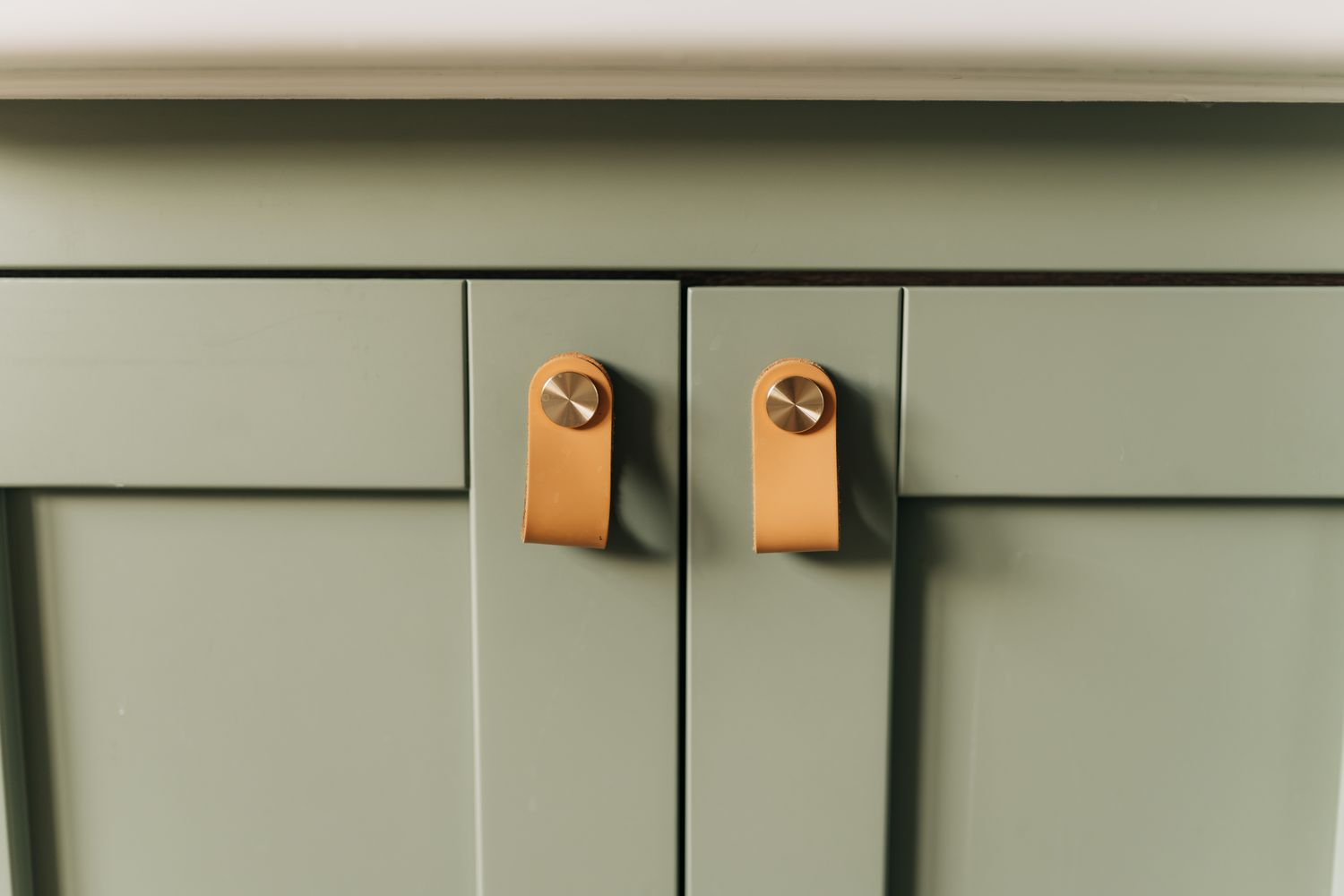
Why matte black and brass dominate 2026
The shift toward matte black and brushed brass cabinet hardware sets reflects a broader move away from high-gloss, industrial finishes toward surfaces that feel grounded and intentional. Matte black has become the default for modern and transitional kitchens because it provides strong contrast against light cabinetry without the harsh reflection of polished chrome. Brushed brass, meanwhile, offers warmth that complements both traditional wood tones and contemporary white or gray finishes.
Matte black handles and knobs are particularly popular for their ability to hide daily wear. Unlike polished metals that show every fingerprint, the dark, non-reflective surface maintains a clean appearance with minimal maintenance. Brushed brass offers similar practical benefits; its textured finish resists water spots and minor scratches, making it a durable choice for high-traffic areas like kitchen islands and bathroom vanities.
These finishes also work well together. Many designers are pairing matte black cabinet hardware sets with brass accents in lighting or faucets to create a layered, sophisticated look. This combination allows homeowners to update their spaces without committing to a single, overpowering aesthetic. Whether you are renovating a single room or updating an entire home, choosing between matte black and brushed brass ensures your hardware will remain stylish for years to come.
Best overall matte black cabinet hardware sets
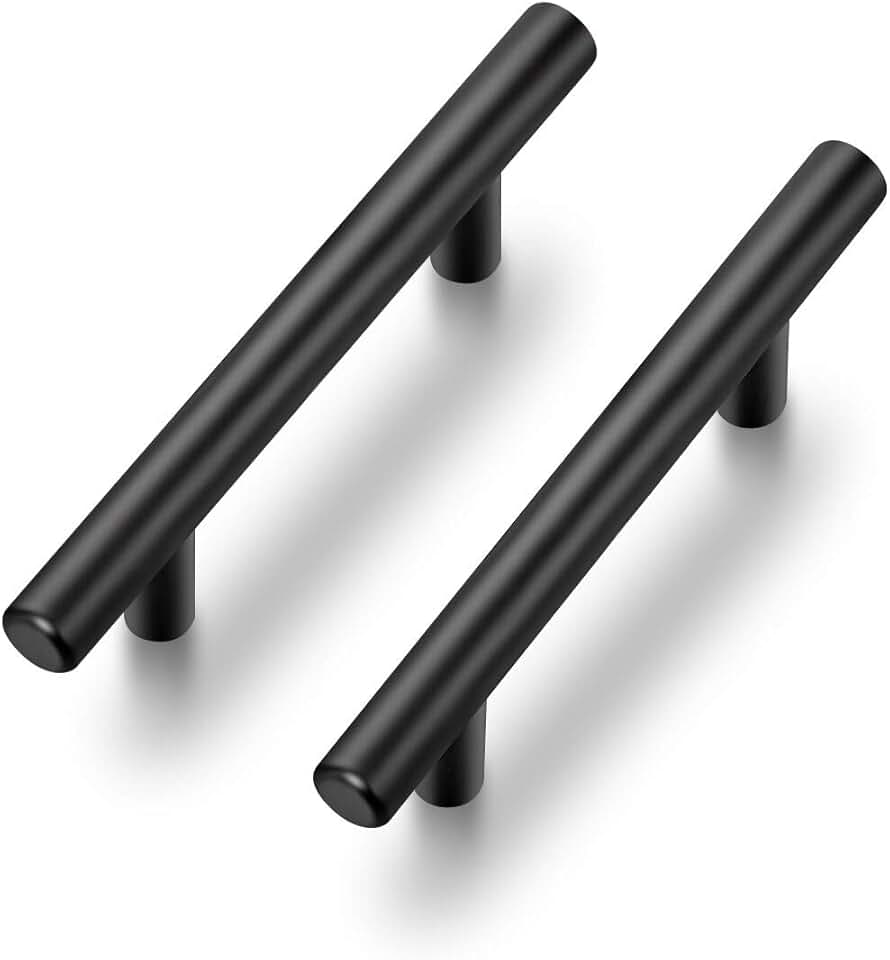
Matte black finishes have become the standard for modern cabinetry, offering a high-contrast look that grounds a space without the high-maintenance shine of polished chrome. The challenge with matte black hardware is finish durability; cheaper coatings often chip or fade, revealing silver aluminum underneath. To ensure longevity, we prioritized sets that use electrostatic powder coating or heavy-duty PVD (Physical Vapor Deposition) finishes, which bond directly to the metal substrate for superior scratch resistance.
When selecting a matte black cabinet hardware set, focus on the core construction material. Solid brass or stainless steel bodies with a matte black coating provide the heft and structural integrity needed for daily use in high-traffic kitchens. Avoid zinc alloy sets unless they are heavily weighted, as they can feel flimsy and may strip screws over time. The aesthetic should be consistent across the entire set, from the screw heads to the pull grip, avoiding any exposed metallic edges that detract from the clean, monochromatic look.
The following Amazon product grid highlights the top-rated matte black cabinet hardware sets currently available. These selections balance industrial durability with contemporary design, ensuring your kitchen or bathroom cabinets remain stylish and functional for years to come.


As an Amazon Associate, we may earn from qualifying purchases.
Top brushed brass drawer pulls and knobs
The shift away from high-gold tones is settling into a more refined aesthetic for 2026. Brushed brass cabinet hardware sets now favor muted, softer finishes that complement rather than dominate a kitchen. This subdued approach pairs well with the growing preference for matte black accents, creating a balanced contrast that feels both modern and grounded.
When selecting brushed brass options, look for sets that offer consistent finishes across knobs and pulls. The texture of the brush matters as much as the color; a finer grain often reads as more premium in close-up shots. Prioritize sets that include matching screws or mounting hardware to ensure a clean installation without visible mismatches.
The following selections represent the most reliable brushed brass cabinet hardware sets available this year. These options emphasize durability and finish consistency, avoiding the overly yellow tones that can look dated.


As an Amazon Associate, we may earn from qualifying purchases.
How to match hardware to cabinet style
Choosing the right cabinet hardware set is less about trends and more about geometry. The shape of the pull or knob should complement the lines of the door, creating a visual harmony that feels intentional rather than accidental. Whether you are working with the clean lines of modern flat-panel doors or the detailed profiles of traditional shaker cabinets, the goal is to balance visual weight.
Shaker doors
Shaker doors feature a simple five-piece construction with a recessed center panel. This style is versatile, but it has enough detail to require careful pairing. Avoid overly ornate knobs that compete with the frame. Instead, look for bar pulls with a slight radius or small, round knobs that echo the door's simplicity. Matte black bar pulls work well here, offering a modern contrast without overwhelming the structure. Brushed brass knobs can add warmth if you want a more traditional feel.
Flat-panel (slab) doors
Flat-panel doors are smooth and uninterrupted, making them the canvas for contemporary design. Because there are no raised details to catch the eye, hardware becomes the focal point. Long, linear bar pulls emphasize the horizontal or vertical lines of the cabinet, enhancing the sleek aesthetic. For a minimalist look, choose hardware with sharp edges and a matte finish. Brushed brass pulls can soften the starkness of white or gray slab doors, adding a touch of luxury.
Traditional raised-panel doors
Traditional doors have raised panels and often feature decorative molding. These doors already have significant visual complexity, so hardware should be complementary, not competitive. Cup pulls and small, decorative knobs with intricate details work best here. Avoid long, straight bar pulls, which can look out of place against the curved or molded lines of the door. Brass finishes are particularly effective with traditional styles, reinforcing the classic, warm aesthetic.
Quick comparison guide
Use this table to quickly match hardware shapes to common cabinet styles.
When in doubt, hold the hardware up to the cabinet door. The scale should feel right—neither too small to notice nor too large to look awkward. This simple test ensures your cabinet hardware sets enhance the overall look of your kitchen or bathroom.
Measure before you buy cabinet hardware sets
Buying the wrong size is the most common mistake when upgrading cabinet hardware sets. A pull that is too short looks cramped, while one that is too long can interfere with adjacent drawers or doors. Getting the center-to-center measurement right ensures your matte black or brushed brass picks fit perfectly.
Find the center-to-center distance
The most critical number for drawer pulls is the center-to-center measurement. This is the distance between the center of one mounting hole to the center of the other. For standard knobs, only the single screw hole matters, but for pulls, this spacing dictates the look. Common sizes are 3 inches, 5 inches, and 9.6 inches. Measure the existing holes on your cabinets or the back of the new hardware before purchasing.
Check the projection depth
Projection refers to how far the hardware sticks out from the cabinet face. This is especially important for kitchen cabinet hardware sets where space is tight. Deep projection pulls might look striking in brushed brass, but they can snag on aprons or make it difficult to open drawers if they are too close to adjacent cabinets. Measure the available clearance to ensure the hardware fits without obstruction.
Gather your tools
Before starting installation, ensure you have the right tools. A power drill with a bit slightly smaller than the mounting screw diameter is essential for creating pilot holes. This prevents the wood from splitting, which is common with softer cabinet materials like particleboard. A level helps ensure your pulls are straight, and a pencil marks the exact spots for drilling.
Mark and drill pilot holes
Place the hardware template or the pull itself against the cabinet door or drawer front. Use a pencil to mark the screw holes. Double-check the spacing and alignment before drilling. Drill pilot holes at your marked spots, keeping the drill perpendicular to the surface. This step is crucial for a clean installation and prevents the hardware from wobbling once attached.
Attach the hardware
Insert the screws through the back of the cabinet or drawer and into the hardware. Tighten them by hand first to ensure everything is aligned. Use a screwdriver or drill to secure the screws, but be careful not to overtighten. Overtightening can strip the wood threads or damage the finish of your matte black or brushed brass hardware. Wipe down the hardware with a soft cloth to remove any fingerprints or dust.
Common questions about cabinet hardware sets
Buying cabinet hardware sets involves more than just matching colors. You need to consider how finishes hold up in high-traffic kitchens and bathrooms, and whether you can mix matte black and brushed brass without creating visual clutter. Here are the most frequent questions buyers ask before purchasing.
How do you clean matte black cabinet hardware?
Matte black finishes require gentle care to avoid scratching the coating. Use a soft, damp microfiber cloth with mild dish soap to remove fingerprints and grease. Avoid abrasive scrubbers, steel wool, or harsh chemical cleaners like bleach, which can strip the finish and cause rusting over time. Always dry the hardware immediately after cleaning to prevent water spots.
Can I mix matte black and brushed brass in one kitchen?
Yes, mixing matte black and brushed brass is a popular design trend that adds depth and contrast. To keep the look cohesive, maintain a consistent ratio—such as using matte black for upper cabinets and brushed brass for lower ones, or alternating by door. Ensure the undertones of the brass (warm vs. cool) complement the black hardware so the finishes don’t clash.
Are cabinet hardware sets durable for daily use?
Quality cabinet hardware sets are built to withstand frequent opening and closing. Look for solid construction materials like zinc alloy or stainless steel rather than lightweight plastic. The finish durability depends on the coating process; PVD (Physical Vapor Deposition) finishes generally offer superior resistance to tarnishing and wear compared to standard electroplated options. Check product specifications for weight capacity and screw thread type to ensure long-term stability.
No comments yet. Be the first to share your thoughts!