
What the budget buys
Budget-friendly hardware often feels like a compromise, but that’s only true if you ignore the tradeoffs in material and finish. At the low end, you’re typically looking at stamped zinc or thin-gauge aluminum with a veneer finish. These pieces look fine from a distance, but they lack the heft of solid metal and can chip or tarnish quickly with daily use. For a rental or a quick refresh, this is acceptable. For a home you plan to stay in, the thin metal will eventually feel loose or scratchy in the hand.
Moving up the price ladder, you enter the realm of solid brass, stainless steel, or cast zinc. The difference isn’t just weight; it’s in the durability of the finish. Expensive hardware uses PVD (physical vapor deposition) or high-quality powder coating that resists fingerprints and corrosion. Cheap hardware often uses simple electroplating that wears off at the grip points, revealing a duller base metal underneath. This wear pattern is the first sign that a budget pull has reached the end of its life.
Age and condition matter just as much as price. If your Shaker cabinets are original to a home built in the 1970s or 80s, the existing holes may be stripped or the wood may be soft. In these cases, spending heavily on high-end hardware is risky because you’ll need to fill and redrill holes anyway. A mid-range option with a longer finish warranty often makes more sense than a luxury piece that might sit on a fragile substrate. Always check the screw length and thread type before buying, regardless of the price tag.
Models worth checking first
Choosing where to mount cabinet pulls on Shaker-style doors and drawers isn't just about aesthetics; it's about ergonomics and hardware longevity. The placement dictates how easily you open a drawer, how much stress is placed on the mounting screws, and whether the pull feels like an integrated part of the cabinetry or an afterthought.
While the "1/3 rule" (placing hardware one-third down from the top) is a common starting point, it doesn't apply universally. Different cabinet types—base drawers, wall cabinets, and tall pantry units—require distinct approaches to ensure the pull sits in the most natural hand-reach zone without interfering with adjacent doors or drawers.
Below is a comparison of the most effective placement strategies for common Shaker cabinet configurations. These models balance visual symmetry with functional reach, helping you decide which option fits your kitchen's layout and your daily workflow.
| Cabinet Type | Recommended Placement | Why It Works | Common Mistake |
|---|
Check before you buy
Before you drill a single hole, verify the hardware specs against your cabinet construction. Cabinet pull placement is less about aesthetics and more about mechanical clearance. A mismatch here creates expensive failures: handles that bang into adjacent cabinets, knobs that hit drawer rails, or screws that punch through thin drawer fronts.
Use this checklist to validate your choices before purchasing or installing.
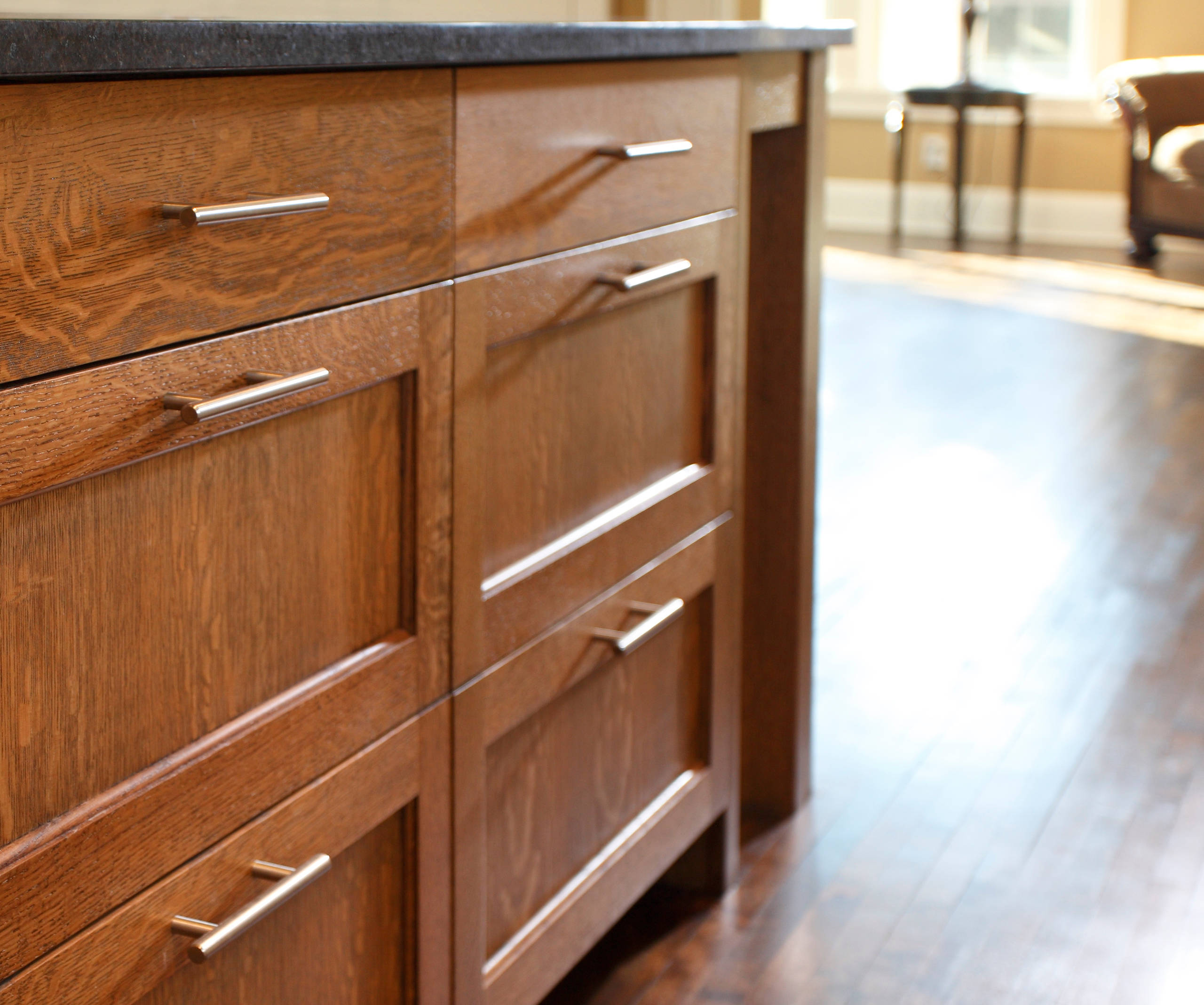
Base cabinet drawers often have rails or slides that sit near the top edge. Placing a pull centered on the stile (the vertical side panel) can cause the handle to collide with the cabinet frame or adjacent drawers when opened. Instead, check the rail height and consider placing the pull higher on the drawer front, near the top edge where the drawer rail begins, to ensure full opening without obstruction.
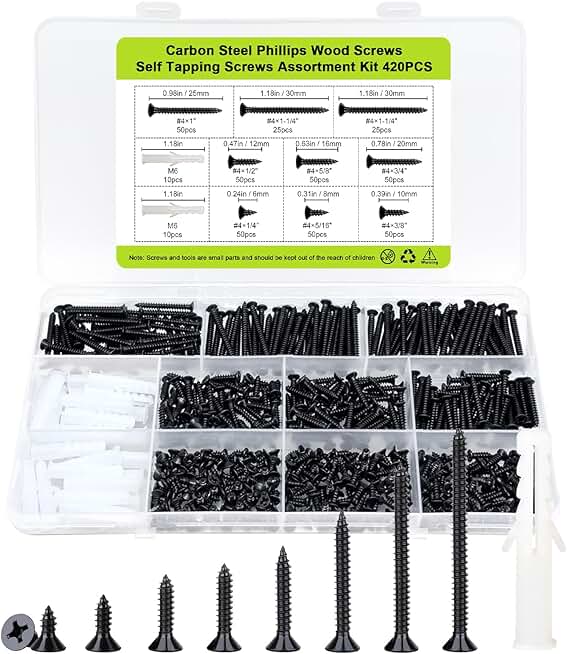
Drawer fronts, especially those made of particleboard or thin plywood, have limited depth. Standard 3-inch screws will punch straight through the back of a 3/4-inch drawer front, ruining the look and potentially damaging contents inside. Measure your front thickness and select screws that are at least 1/4 inch shorter than the material depth to prevent blow-through.
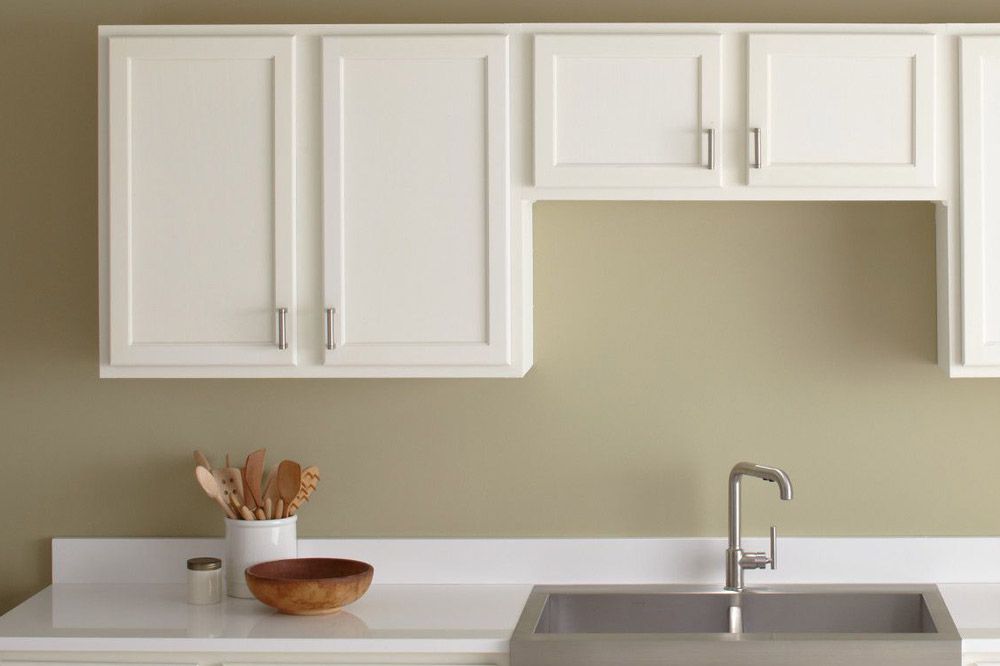
On stacked or side-by-side upper cabinets, the distance between doors is critical. If you choose a large, ornate knob or a long horizontal pull, ensure there is enough gap for the handle to swing open without hitting the neighboring door or wall. For tight spaces, opt for smaller knobs or recessed pulls that sit flush with the door surface.
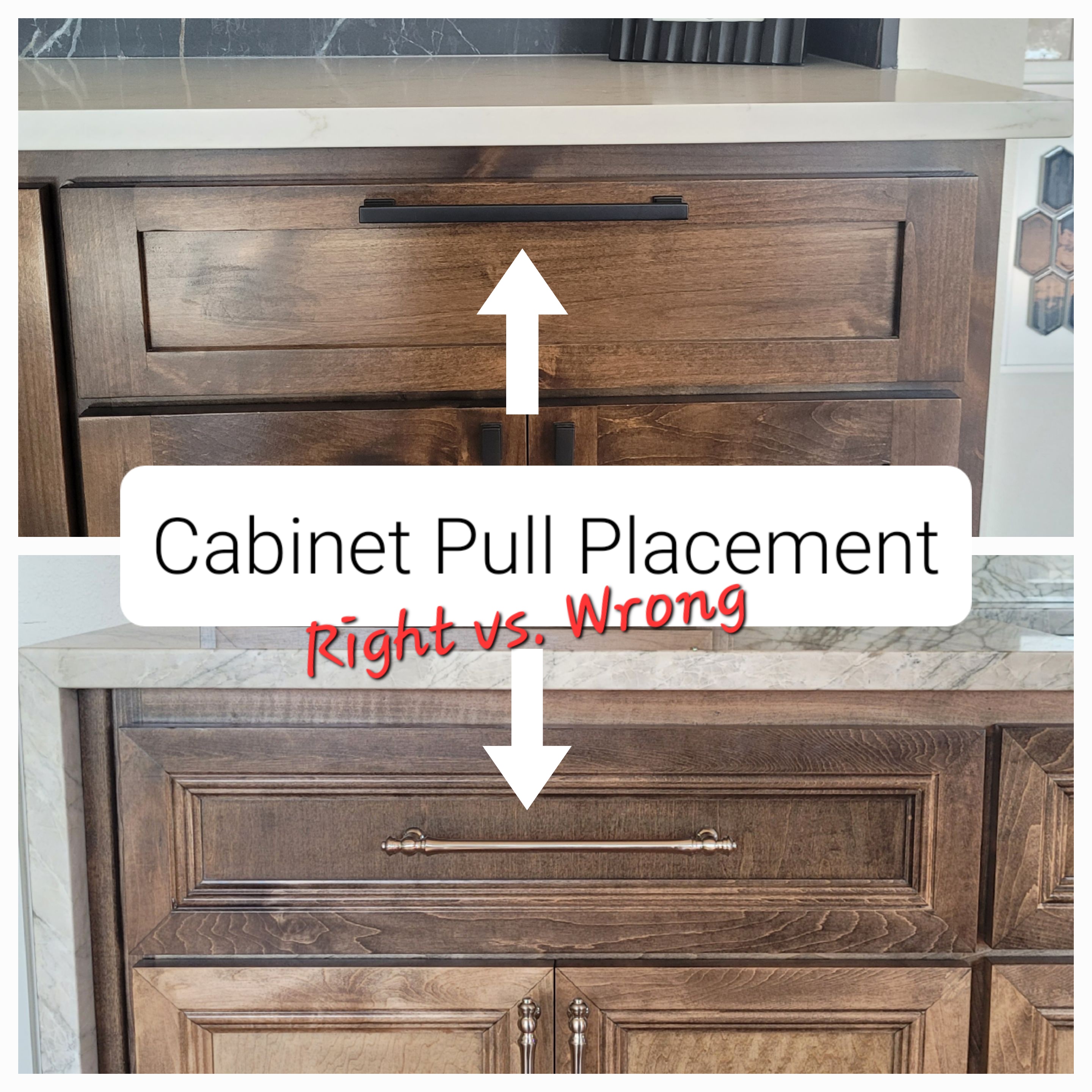
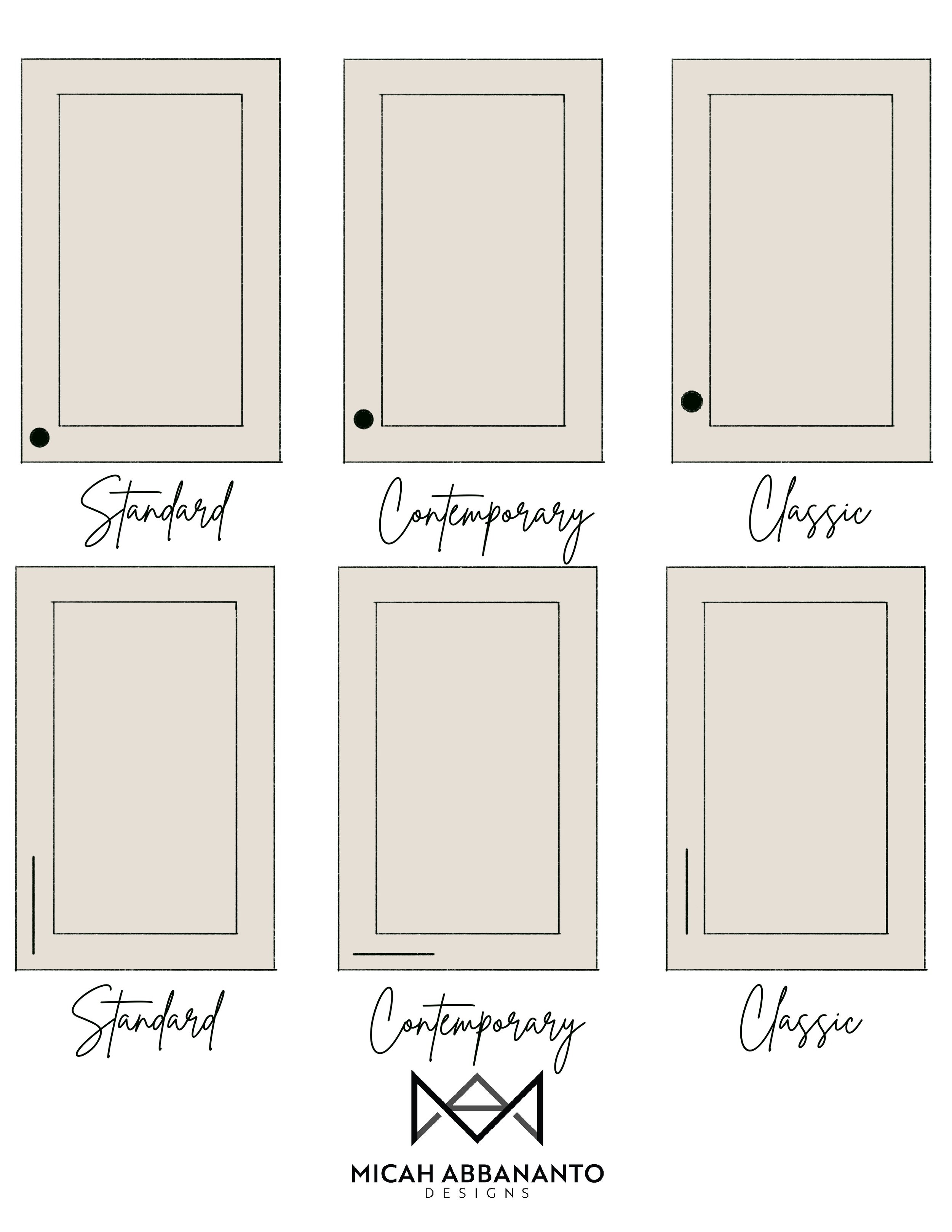
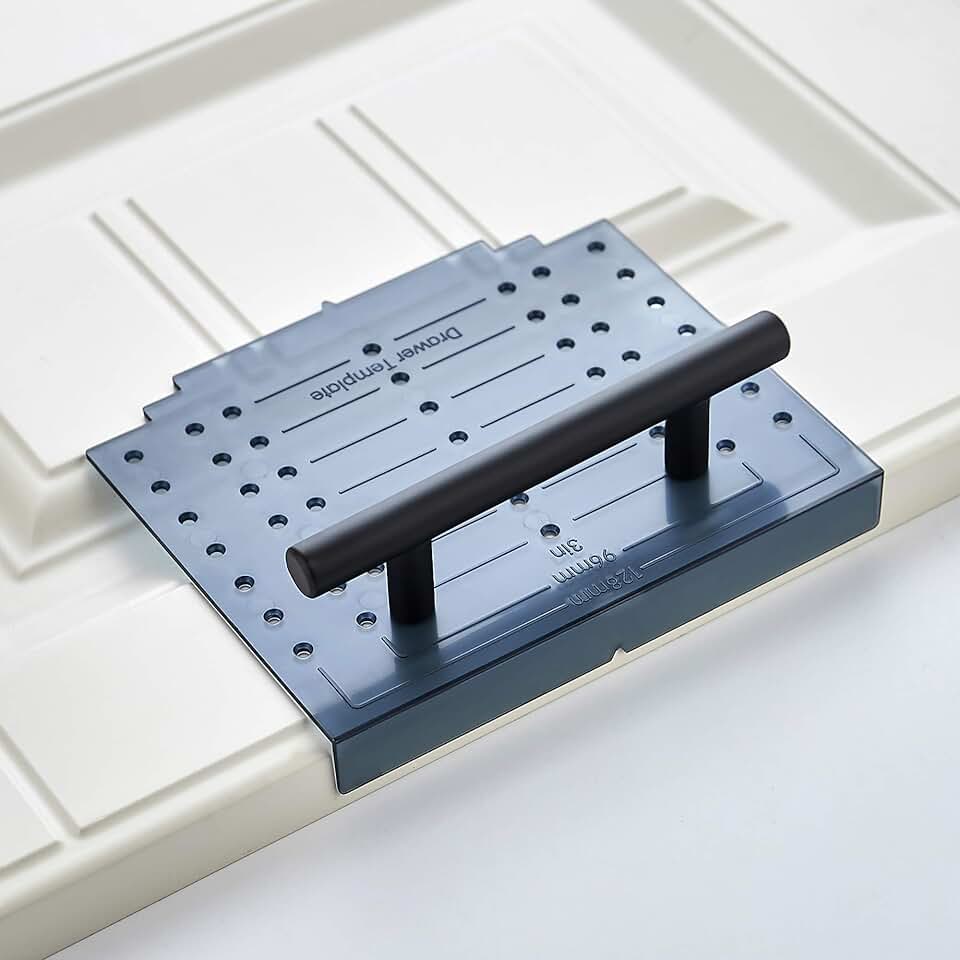
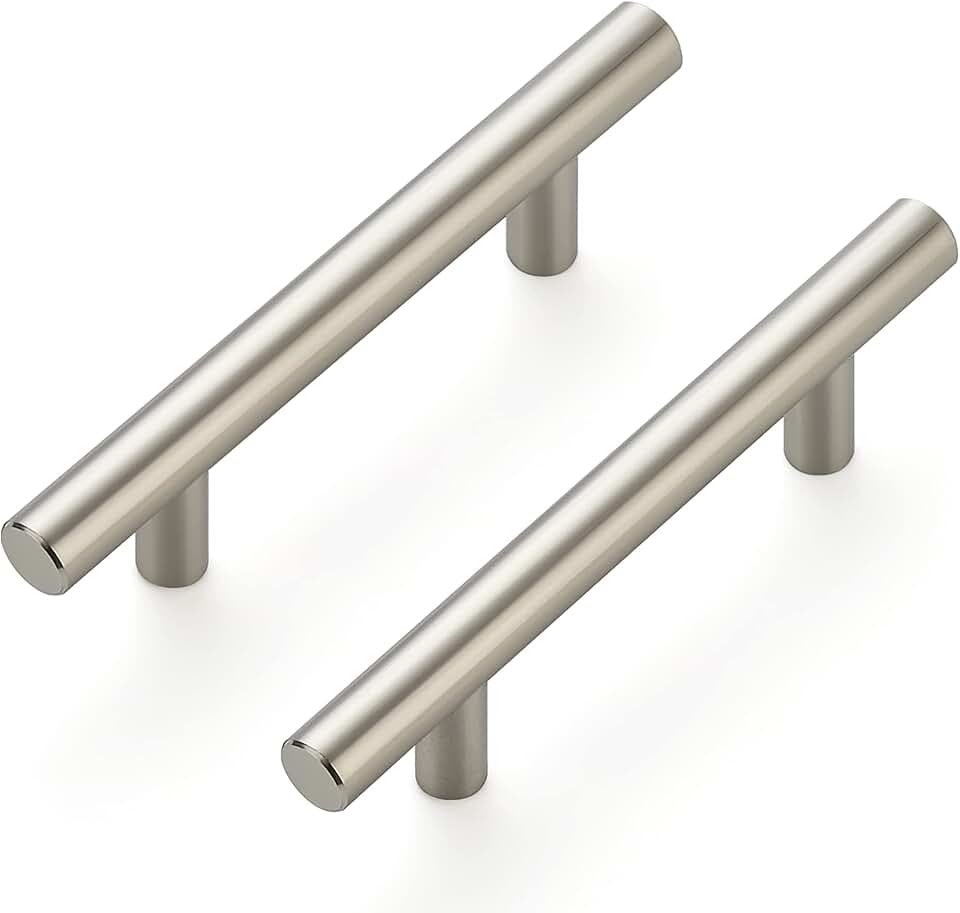
Horizontal pulls on wide drawers require consistent center-to-center spacing (usually 3 inches, 5 inches, or 96mm). Verify that your chosen pull fits the pre-drilled hole spacing or that you are willing to fill old holes and drill new ones. For vertical placement on doors, the standard is the bottom corner, but ensure the pull doesn't interfere with the hinge mechanism or the countertop edge below.
As an Amazon Associate, we may earn from qualifying purchases.
Costs That Change the Math
Hardware pricing is rarely the final line item. While a single knob might cost $5, the real expense often hides in the installation labor or the cost of replacing cheap hardware that fails after a year. When you are choosing where to put knobs and handles on Shaker cabinets, you are also deciding how much wear and tear that specific spot will endure.
The Hidden Cost of Cheap Pulls
Budget hardware often uses hollow zinc or thin stamped steel. These materials dent easily and the screws strip out quickly, especially on heavy drawers. Replacing a $3 knob is easy, but if the screw holes in the cabinet frame are stripped or enlarged, you may need to fill and repaint the entire drawer front. That repair cost quickly exceeds the savings from buying the cheaper option.
Maintenance and Longevity
High-quality solid brass or stainless steel pulls resist corrosion and hold their finish longer. They do not require special cleaners or frequent polishing. When you place pulls on frequently used surfaces, like kitchen island drawers, durability matters more than aesthetics. A robust handle that lasts ten years is cheaper than replacing a flimsy one every two years.
Labor and Installation Time
If you are hiring a professional, installation time adds up. Complex placement patterns or unusual hardware depths can slow down the installer. Standard center-to-center measurements are faster to drill. Deviating from standard placements might look unique, but it often results in higher labor charges and a higher risk of misalignment errors.
When to Upgrade
Don't skimp on hardware for high-traffic areas. Kitchen base cabinets and pantry drawers take the most abuse. Use the savings from low-traffic areas, like upper cabinet doors or interior pantry shelves, to fund better hardware where it counts most. This approach balances budget with long-term satisfaction.
Common questions about cabinet pull placement
Choosing where to put knobs and handles on Shaker cabinets often comes down to balancing aesthetics with daily use. While there is no single "correct" rule, following ergonomic guidelines ensures your hardware feels natural rather than like an afterthought.
Where should I place a knob on a Shaker door?
For Shaker doors, the standard practice is to center the knob horizontally on the stile (the vertical frame piece). Vertically, place it at the bottom corner of the door frame. This placement keeps the hardware out of the way of the hinges and aligns with natural hand movement when pulling the door open. Avoid floating the knob in the center of the door panel, as this looks unbalanced and offers poor leverage.
How far from the edge should pulls go on drawers?
Drawer pulls should sit close to the opening edge, typically 1 to 2 inches from the top or side edge, depending on whether the drawer is horizontal or vertical. This positioning provides better grip and prevents your hand from slipping off the handle. For wider drawers, you can center a single shorter pull or use two pulls spaced evenly apart for a symmetrical look.
What is the best height for tall cabinet handles?
On tall cabinets, such as pantry doors or appliance garages, align the handle with where your hand naturally reaches—usually between waist and chest height. This ergonomic placement reduces strain when opening heavy doors. Unlike base drawers, vertical tall doors often use longer pulls placed vertically to emphasize the height of the cabinet while maintaining a clean, streamlined profile.
Do I have to follow the one-third rule for drawer pulls?
The one-third rule (placing hardware at the top third of a drawer) is a common guideline but not a strict requirement. It works well for base cabinet drawers to keep hardware away from the toe-kick. However, for upper cabinets or tall units, placing hardware at the bottom corner or centering it may look more balanced. The best approach is to prioritize visual harmony and ease of use over rigid formulas.
No comments yet. Be the first to share your thoughts!